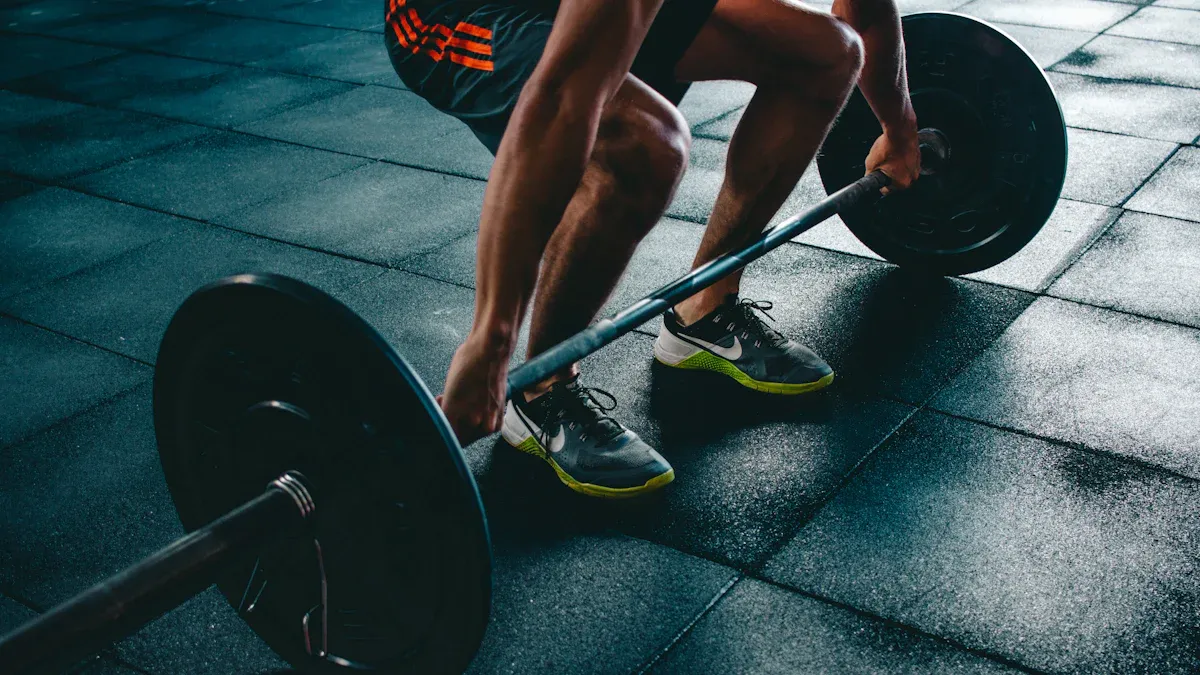
The choice of strength training method is critical for the effectiveness of your workout. When choosing between bodyweight exercises, free weights, or machines, consider your goals and abilities. Free weights vs machines in strength training offer different advantages. Free weights help develop stabilizing muscles, while machines are suitable for isolating muscle groups and for beginners. Free Weights Vs Resistance Machines - Which Is Bet? The answer depends on you, your needs, and your training environment.
Key Points
- Bodyweight training helps develop strength and everyday skills.
- Correct exercise technique is important to avoid injuries and get results.
- Bodyweight training is suitable for beginners and those without a gym.
- Free weights help train muscles that keep the body balanced.
- Machines are easy to use and train specific muscle groups.
- A training plan that includes bodyweight, weights, and machines is diverse.
- Start light and increase weight slowly to avoid injuries.
- Find a workout that you enjoy and keeps you motivated.
Bodyweight Training: Natural and Practical
Benefits of Bodyweight Training
Functional Training for Everyday Life
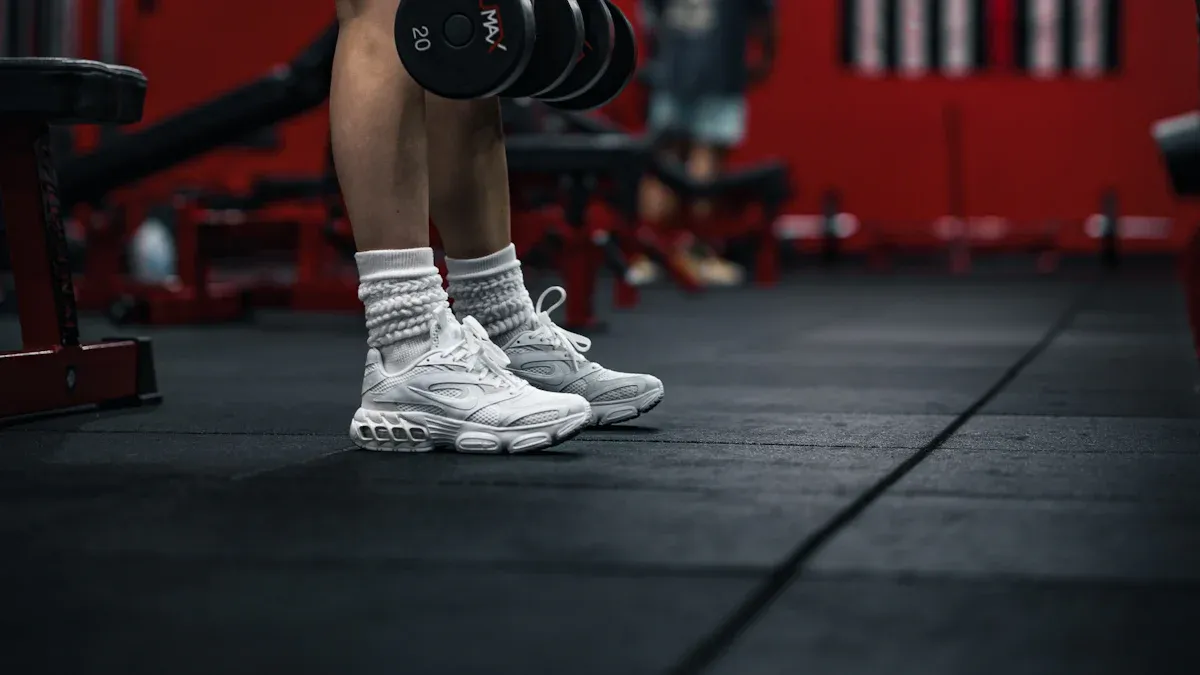
Bodyweight exercises, such as squats, push-ups, and planks, mimic movements you perform in everyday life. These exercises help you develop strength and endurance, which you need for tasks such as lifting heavy objects or climbing stairs. When you train with your own body weight, you improve your body's natural movement ability and prepare yourself for daily challenges.
Tip: Focus on correct technique to maximize exercise effectiveness and prevent injuries.
Improves Balance and Body Awareness
Bodyweight training requires you to use various muscle groups to stabilize your body. For example, single-leg squats or side planks develop balance and improve coordination. If you exercise regularly, you will notice that your body becomes stronger and you are better able to control your movements.
No Equipment Needed – Ideal for Home Workouts
Bodyweight training is an excellent choice if you don't have access to a gym or exercise equipment. You can train anywhere – at home, in the park, or even while traveling. All you need is a little space and your body. This makes bodyweight training a very flexible and affordable solution.
Disadvantages of Bodyweight Training
Limited Load Addition Capability
Bodyweight training can become challenging if you want to continuously increase the load. For example, if you have already reached a certain level in push-ups, it can be difficult to add more resistance. While there are variations, such as explosive push-ups or one-arm exercises, this can limit your progress compared to free weights.
Complexity for Beginners in More Advanced Exercises
Some bodyweight exercises, such as pull-ups or single-leg squats, can seem too difficult for beginners. If you don't have enough strength or technique, performing these exercises can be challenging. This can lead to frustration and decreased motivation.
When to Choose Bodyweight Training?
Suitable for Beginners and Those Without Gym Access
If you are just starting to exercise or don't have the opportunity to visit a gym, bodyweight training is an excellent choice. It allows you to develop basic strength and improve your overall physical fitness without additional equipment.
Ideal for Those Who Want to Improve Overall Physical Fitness
If your goal is to improve your body's functionality and mobility, bodyweight training is ideal. It helps you develop balance, strength, and endurance, which are important in both everyday life and sports.
Note: Bodyweight training is not just for beginners. Advanced individuals can also benefit by adding more complex variations and focusing on technique.
Free Weights vs. Machines in Strength Training: Dumbbells and Barbells
Advantages of Dumbbells and Barbells
Increases Stabilizing Muscle Work
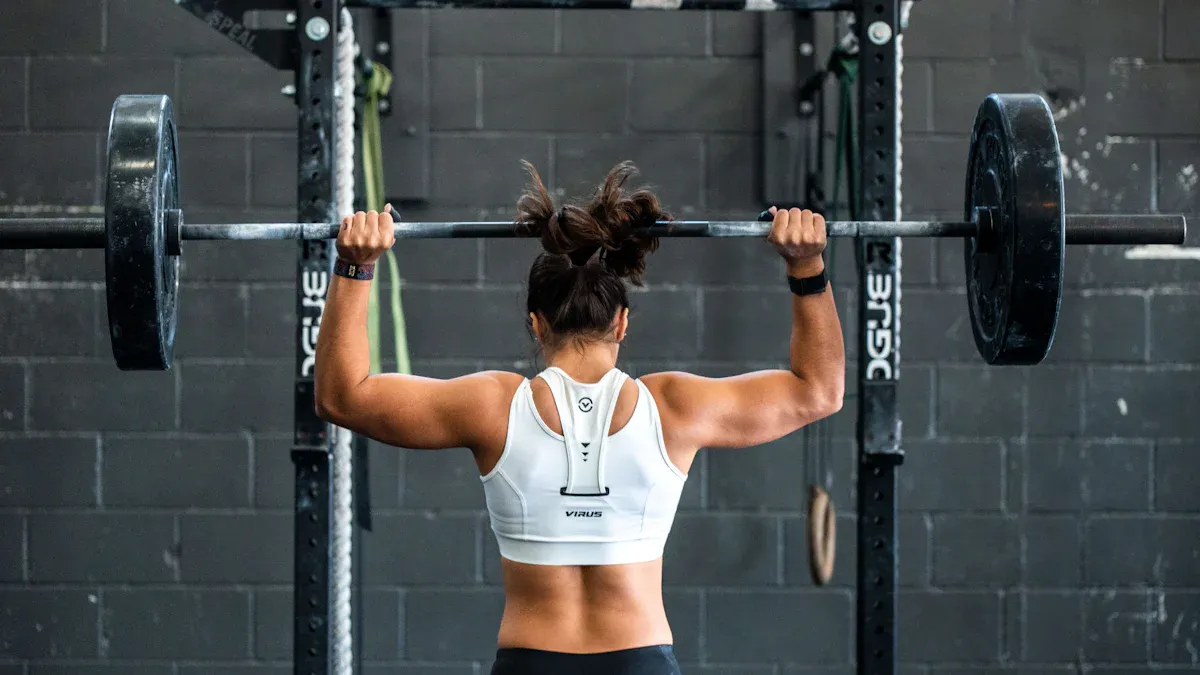
When you train with dumbbells or barbells, you have to stabilize the weight yourself. This activates smaller muscles that are often not used when training with machines. For example, when squatting with a barbell, in addition to large muscle groups, stabilizing muscles also work to help maintain balance and control movement. This makes free weight training particularly beneficial if you want to develop full-body strength.
Tip: Start with lighter weights to practice technique and avoid injuries.
Allows for Compound Movements and Functional Exercises
Dumbbells and barbells allow you to perform exercises that involve multiple joints and muscle groups at once. For example, barbell deadlifts or dumbbell lunges mimic everyday movements such as lifting heavy objects or walking. Such exercises help you develop strength and mobility, which you need in both sports and everyday life.
Suitable for Achieving Various Training Goals (Strength, Muscle Mass, Endurance)
Free weights vs. machines in strength training offer versatility that machines cannot. With dumbbells and barbells, you can adapt your training to your goals. If you want to increase strength, choose heavier barbells and do fewer repetitions. If you want to build muscle mass, focus on moderate weights and repetitions. To develop endurance, use lighter weights and do more repetitions.
Disadvantages of Dumbbells and Barbells
Requires More Skill and Technique
Training with free weights requires you to learn the correct technique. If you perform exercises incorrectly, it can lead to injuries. For example, when squatting with a barbell, it is important to keep your back straight and your knees in the correct position. This can seem difficult for beginners, but with proper guidance, you can quickly master the technique.
Higher Risk of Injury Without Guidance
If you train with dumbbells or barbells without an instructor, the risk of injury increases. Incorrect technique or using weights that are too heavy can lead to muscle overload or joint damage. Therefore, it is important to start with lighter weights and, if necessary, consult a trainer.
When to Choose Dumbbells and Barbells?
Suitable for Advanced Users and Those Who Want to Develop Strength and Muscle Mass
If you are an experienced trainee, dumbbells and barbells offer challenges that machines cannot. Free weight training requires a higher skill level, which helps you activate muscles better and increase training effectiveness. If you want to build muscle mass, dumbbell and barbell training is one of the most effective ways to achieve it.
-
Why choose free weights?
- Due to better muscle activation, you achieve results faster.
- The versatility of training allows you to adapt exercises to your goals.
Ideal for Those Seeking a Versatile Workout
If you want a versatile training plan, choose dumbbells and barbells. They allow you to combine different exercises that develop strength, endurance, and coordination. For example, you can do barbell deadlifts, dumbbell lunges, and add bodyweight exercises to create a balanced training plan.
Note: If you are a beginner, start with simpler exercises and use lighter weights. This will help you learn the technique and avoid injuries.
Free Weights vs. Machines in Strength Training: Machines
Advantages of Machines
Beginner-Friendly and Safe
Machines are ideal if you are just starting with strength training. They guide your movements and help maintain correct technique. This reduces the risk of injury, especially if you have no prior experience. For example, a leg press machine allows you to train leg muscles without adding excessive strain to your back. If you feel insecure in the gym, machines offer a safe and easy way to start exercising.
Allows Isolation of Specific Muscle Groups
Machines are excellent if you want to focus on specific muscle groups. For example, a biceps curl machine helps you train only your biceps, without other muscles interfering. This is useful if you want to improve the strength or appearance of a particular muscle group. Machines allow you to target muscles precisely and effectively.
Suitable for Rehabilitation and Controlled Movements
If you are recovering from an injury, machines are often the best choice. They provide controlled movement, which helps prevent overexertion. For example, a shoulder press machine allows you to train your shoulder muscles without excessively stressing the joints. Physical therapists often recommend machines because they help restore strength and mobility safely and gradually.
Disadvantages of Machines
Limited Range of Motion
Machines guide your movements in a fixed direction. This can limit natural range of motion and reduce the versatility of your workout. For example, a squat performed on a machine does not activate the same muscles as a free-weight squat. If you want to develop functional strength, machines can be limiting.
Does Not Develop Stabilizing Muscles
Machines do not require the work of stabilizing muscles because they support the weight for you. This means that smaller muscles, which help maintain balance and control movement, remain less active. If you only train with machines, it can limit your overall physical development.
When to Choose Machines?
Suitable for Beginners and Individuals Needing Rehabilitation
If you are a beginner or recovering from an injury, machines are an excellent choice. They help you learn correct technique and develop strength safely. Machines provide a controlled environment where you can focus on your workout without an excessive risk of injury.
Ideal for Those Who Want to Focus on Specific Muscle Groups
If your goal is to develop a specific muscle group, choose machines. They allow you to isolate muscles and train them effectively. For example, if you want to strengthen your thigh muscles, a leg extension machine is an excellent choice. Machines are also suitable for those who want to supplement their training plan with specific exercises.
Tip: Although machines are useful, try combining them with free weights to achieve a balanced workout.
Combined Approach: The Best of Both Worlds
Why Combine Different Methods?
Creating a Balanced Workout Plan
A combined approach helps you create a workout plan that develops your body in a versatile way. By combining bodyweight exercises, free weights, and machine training, you can train both large muscle groups and stabilizing muscles. For example, bodyweight exercises improve mobility and balance, while machines help isolate specific muscles. Free weights add functionality and strength.
Tip: Plan your workout routine so that each method has its specific role. For example, start with bodyweight exercises, continue with free weights, and finish with machines.
Maximizing the Benefits of Each Method
When you combine different training methods, you can utilize the best features of each. Bodyweight exercises are great for warm-ups and improving mobility. Free weights help you develop strength and muscle mass. Machines provide a safe way to isolate muscles and prevent injuries. By combining methods, you can train more effectively and achieve better results.
Note: A combined approach is suitable for all levels. Beginners can start with machines and gradually add free weight exercises. Advanced individuals can focus on more complex combinations.
Examples of Combined Workout Plans
Bodyweight and Dumbbell Combination
A combination of bodyweight and dumbbells is well-suited for home workouts. Start with bodyweight exercises, such as push-ups and planks, to activate stabilizing muscles. Continue with dumbbells to add resistance and develop strength. For example, do push-ups followed by dumbbell lunges.
-
Sample Workout Plan:
- Plank (30 seconds)
- Push-ups (10 repetitions)
- Dumbbell Lunges (12 repetitions per leg)
- Dumbbell Shoulder Press (10 repetitions)
Tip: Use lighter dumbbells if you are a beginner, and gradually increase the weight.
Machine and Free Weight Combination
A combination of machines and free weights is suitable for gym workouts. Start with machines to warm up your muscles and learn the correct technique. Continue with free weights to develop stabilizing muscles and functional strength. For example, do a leg press on a machine and then a barbell squat.
-
Sample Workout Plan:
- Leg Press on Machine (12 repetitions)
- Barbell Squat (10 repetitions)
- Biceps Curls on Machine (12 repetitions)
- Dumbbell Deadlift (10 repetitions)
Note: If you are a beginner, focus on machines and gradually add free weight exercises.
A combined approach allows you to train versatilely and achieve better results. Try different combinations and find a training plan that suits you!
All training methods – bodyweight, dumbbells, and machines – help you achieve better physical fitness if you use them consistently and correctly. The best way to achieve results is to combine different methods according to your goals and needs.
Tip: Choose a workout that you enjoy and that keeps you motivated. If you enjoy your workout, it's easier to make it a habit.
Remember, the most important thing is to find a method that suits your lifestyle and helps you stay active!
FAQ
Is bodyweight training suitable for everyone?
Yes, bodyweight training is suitable for people of all ages and fitness levels. Beginners can start with simple exercises like planks and squats. Advanced individuals can add more complex variations, such as single-leg squats or pull-ups.
When is it better to use machines than free weights?
Machines are suitable for beginners, individuals needing rehabilitation, and those who want to isolate specific muscle groups. They offer controlled movement and reduce the risk of injury. Free weights are better for developing stabilizing muscles and functional training.
Are free weights more dangerous than machines?
Free weights can be more dangerous if proper technique is not followed. Proper guidance and starting with lighter weights reduce the risk of injury. Machines offer more support and are safer for beginners, but they do not develop stabilizing muscles.
How often should I train to see results?
To see results, train at least 2–3 times a week. Focus on consistency and proper technique. Gradually increase the load to avoid overexertion and injury. Rest days are important for recovery and muscle growth.
Can I combine bodyweight, dumbbell, and machine training?
Yes, a combined approach is very effective. Bodyweight exercises improve mobility, free weights develop strength, and machines isolate muscles. Such a versatile training plan helps achieve balanced physical fitness.
What are the best bodyweight exercises for beginners?
Good exercises for beginners include planks, squats, push-ups, and back extensions. These exercises develop basic strength and improve body awareness. Start with simple variations and gradually increase the difficulty.
Are machines also suitable for advanced users?
Yes, machines are also suitable for advanced users, especially if you want to focus on developing specific muscle groups. For example, a leg press machine helps increase leg strength. Combine machines with free weights to achieve a versatile workout.
How to avoid injuries during strength training?
Always start with a warm-up to prepare your muscles and joints. Use proper technique and start with lighter weights. Listen to your body and avoid overexertion. If necessary, consult a trainer for guidance.
Tip: Consistency and proper technique are key to safe and effective training.