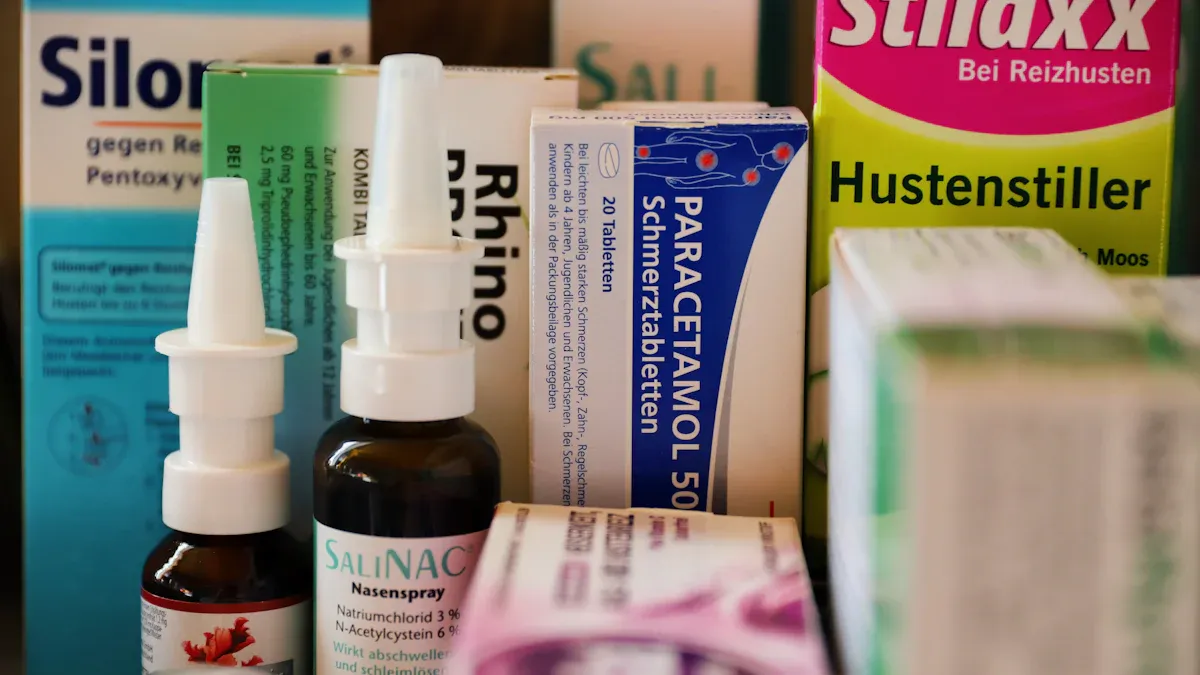
If you feel unwell, you usually develop a runny nose, sore throat or cough. Cold symptoms develop within 12 hours to two days after infection. Symptoms may subside within a day or two, but full recovery may take longer. In Estonia, thousands of flu-like illnesses and upper respiratory tract viral infections occur every year. See other articles here.
|
Type of cold |
Incidence per year |
|---|---|
|
Flu-like illnesses |
Thousands of cases |
|
Upper respiratory tract viral infections |
Vary by week |
You don't have to focus on curing the disease, but rather on how to feel better. Practical and evidence-based advice will help you alleviate symptoms and know how to prevent the spread of diseases at home. Most colds pass by themselves, but you can improve your well-being in several simple ways.
Key Points
-
Cold symptoms, such as a runny nose, sore throat, and cough, develop quickly. Monitor your well-being and get enough rest.
-
Rest and sleep are important during a cold. Try to sleep at least 7–9 hours a day to allow your body to recover.
-
Drink plenty of fluids to keep mucous membranes moist. Warm drinks, such as tea and broth, relieve symptoms.
-
Hand washing and surface disinfection help prevent the spread of diseases at home. Wash your hands frequently, especially after visiting public places.
-
Avoid antibiotics for viral diseases. They do not help against colds and can cause side effects.
-
Vitamin C and zinc can support the immune system. Consume them at the onset of the disease to reduce the duration of the cold.
-
If symptoms worsen or last longer than two weeks, consult a doctor.
-
Vaccination against flu and COVID-19 helps protect against serious illnesses. Ask your family doctor what vaccines are necessary.
Main Symptoms
Runny nose and nasal congestion
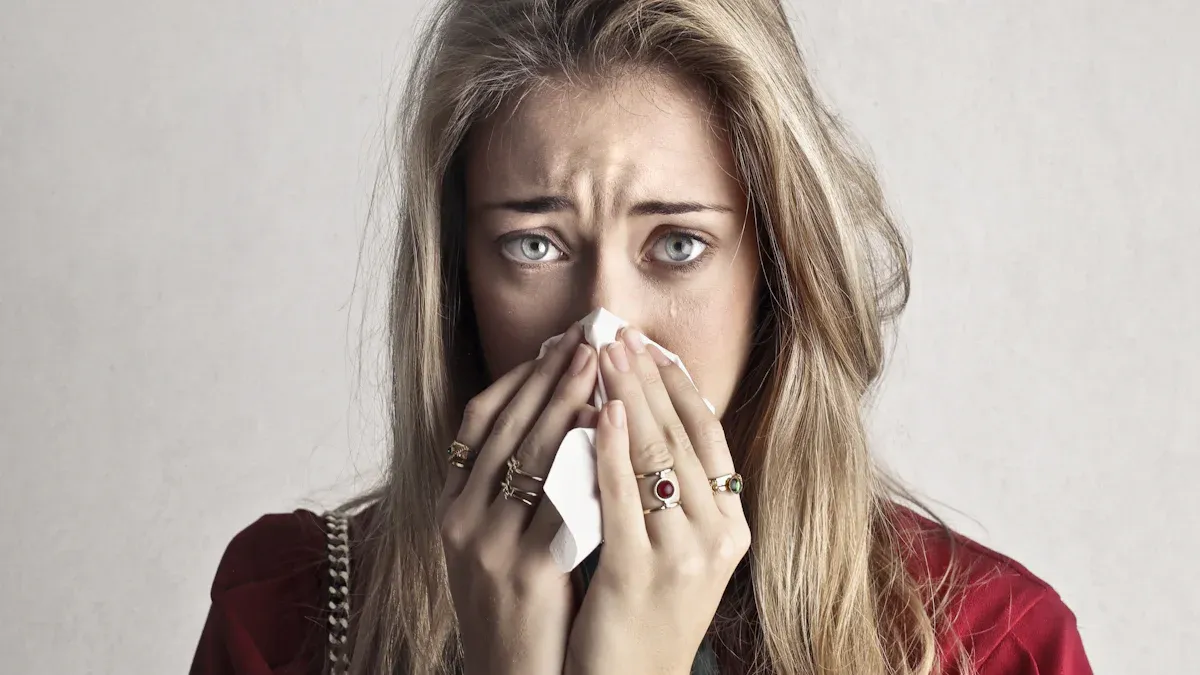
Do you feel that your nose is stuffy or constantly running? This is one of the most common signs of a cold. Almost everyone who catches a cold experiences a runny or stuffy nose at some point. Your nose may be watery, dripping, or completely blocked. Sometimes these symptoms alternate several times a day.
-
People with colds often experience a runny nose and nasal congestion.
-
Symptoms of a common cold include nasal congestion and a watery runny nose.
When your nose is blocked, breathing can become more difficult. You may notice that it is especially uncomfortable to sleep at night. A runny nose can last from a few days to a week, but usually starts to subside on its own. If your nose is very blocked, a warm shower or inhaling steam sometimes helps.
Tip: Gently clear your nose and use saline solution if necessary to prevent mucous membranes from drying out.
Sore throat
A sore throat often makes itself known early in the illness. You may feel a tickle, dryness, or even a burning sensation in your throat. Sometimes swallowing becomes painful and every sip of water feels uncomfortable.
-
A sore throat is often associated with inflammatory diseases of the upper respiratory tract.
-
Colds, such as a runny nose and flu, can cause a sore throat.
-
Painful swallowing is mostly associated with sore throat and infectious diseases.
A sore throat can be short-lived, but sometimes it lasts for several days. If your throat is very sore, try drinking warm tea or gargling with salt water. These simple techniques can help relieve discomfort.
Did you know? A sore throat doesn't always mean a serious illness. Most of the time, it passes with other cold symptoms.
Cough
A cough is another typical companion of a cold. It can be either dry or wet. A dry cough means you are coughing without phlegm or mucus. This often occurs when your airways are irritated. A wet cough produces phlegm, which helps clear the airways.
-
Dry cough: A non-productive cough caused by irritation of the upper respiratory tract. Typical for colds and flu.
-
Wet cough: A productive cough accompanied by sputum. Mainly a consequence of colds and flu. Symptoms may persist long after the illness has passed.
The duration of a cough depends on the severity of the illness. Usually, a cough goes away quickly, especially if it is associated with a cold. Sometimes a cough may persist for some time after other symptoms have disappeared. If a cough interferes with sleep or daily activities, try drinking a warm drink or using a humidifier.
Remember: If a cough lasts longer than two weeks or becomes very severe, it is advisable to consult your family doctor.
Fever
Fever is one of those symptoms that immediately makes you think you're really sick. If you feel hot and your forehead is sweating, you probably have a fever. This is your body's natural way of fighting viruses. Fever helps you get rid of pathogens faster, but it can make you feel quite unwell.
Fever does not always occur with every cold. Sometimes it is completely absent, especially in adults. In children, fever is more common and can be higher. When you have a fever, you often feel chills, muscle aches, and general weakness. Fever can be a sign that your body is working hard to fight the illness.
|
Severity of illness |
|
|---|---|
|
3-7 days |
More severe form of illness (Dobrava and Hantaa viruses) |
With a common cold, fever usually lasts a couple of days. If fever persists for more than a week or rises very high, you should definitely consult a doctor. When you have a fever, it is important to drink enough fluids and rest. If you feel that fever interferes with sleep or daily activities, you can use fever reducers such as paracetamol or ibuprofen.
Tip: Remember that fever itself is not dangerous, but a protective mechanism of the body. If you feel very unwell or the fever lasts a long time, consult your family doctor.
Fatigue
Fatigue is one of the most annoying companions of a cold. You may feel that even minor activities take more time and energy. Sometimes it feels like you've run a marathon, even though you've just been at home. Fatigue occurs because the body expends a lot of energy fighting the virus.
When you are sick, give yourself time to rest. Sleep helps the body recover and speeds up healing. Don't force yourself to act if you feel you have no strength. Sometimes fatigue can last even after other symptoms have disappeared. This is completely normal.
Remember: If fatigue lasts a very long time or becomes an obstacle in everyday life, talk to your family doctor about it.
Other symptoms
Colds can bring several other symptoms. These may not occur in everyone, but they can make you feel even more uncomfortable. You may notice, for example, a slight headache, muscle aches or even a slight earache. Some people also experience loss of appetite or slight nausea.
-
Recovery in a few days to a week
Most of these symptoms subside on their own and do not require separate treatment. If you notice that the symptoms are getting stronger or something unusual is added, it is worth consulting a doctor. Pay attention to how you feel and give your body time to recover.
Did you know? Cold symptoms can vary greatly, but most people recover completely in a few days.
Symptom Relief

Rest and Sleep
When you're sick, the most important thing you can do is rest. Your body needs energy to fight the virus. If you feel tired, don't force yourself to do things. Allow yourself more sleep and peaceful rest. Good sleep helps you recover faster. You may notice that you feel better after a good rest.
Tip: Try to sleep at least 7–9 hours a day. If possible, take a short nap during the day.
If you have a fever or severe fatigue, stay home and avoid excessive physical exertion. Your body will signal when it needs rest. Listen to these signals and give yourself time to recover.
Fluids and Warm Drinks
If you have a cold, drink plenty of fluids. Water, herbal teas, and broths help keep mucous membranes moist. Warm drinks can relieve a sore throat and cough. If you feel your throat is dry or scratchy, take a sip of warm tea. You can try different drinks to find the one that suits you best.
-
Water helps prevent dehydration.
-
Herbal teas (e.g., chamomile, peppermint) soothe the throat.
-
Broth provides energy and aids recovery.
Remember: Avoid caffeine and alcohol, as they can dehydrate the body even more.
Honey (for ages 1+)
Honey is a natural remedy that helps relieve sore throat and cough. If you are over one year old, you can add a spoonful of honey to tea or warm water. Honey coats the mucous membrane of the throat and reduces irritation. Many people feel that honey helps them recover faster.
|
Benefit |
How to use |
|---|---|
|
Relieves sore throat |
Mix into tea or warm water |
|
Reduces cough |
Take a spoonful before bedtime |
Important: Do not give honey to children under 1 year of age, as it can be dangerous.
Gargling with Salt Water
Gargling with salt water helps reduce sore throat and swelling. You can make a saline solution yourself: mix half a teaspoon of salt with a glass of warm water. Gargle with the solution a few times a day. This simple technique helps remove bacteria and viruses from the mucous membrane.
-
Gargling with salt water is excellent for a sore throat.
-
The solution should not be too salty or too hot.
Tip: Gargle for 30 seconds and spit it out. Do not swallow the salt water.
Using a Humidifier
When the air is dry, mucous membranes become irritated more easily. A humidifier helps maintain indoor humidity. You can use an electric humidifier or place a bowl of water on the radiator. Humid air makes breathing easier and reduces coughing.
-
A humidifier is especially suitable in winter when rooms are dry due to heating.
-
Clean the humidifier regularly to prevent the spread of bacteria.
Remember: If you don't have a humidifier, hang a wet towel on the radiator or run hot water in the bathroom.
Pain Relievers
If you have a fever, headache, or muscle aches, you can use pain relievers. These will help you feel better and reduce discomfort. You don't have to endure severe pain when safe and effective medications are available.
Paracetamol, Ibuprofen
Paracetamol and ibuprofen are the most common over-the-counter pain relievers. You can use them for fever, headache, or muscle aches. These medications help lower fever and relieve pain.
|
Medication |
What to use for |
Dosage |
|---|---|---|
|
Paracetamol |
Fever, headache, muscle pain |
Follow package directions |
|
Ibuprofen |
Fever, inflammation, muscle pain |
Follow package directions |
Important: Do not exceed the recommended dose. If you have chronic illnesses or are taking other medications, consult a pharmacist or doctor.
Avoiding Aspirin in Children
Aspirin is not suitable for children, especially in cases of viral illnesses. Aspirin can cause Reye's syndrome, a rare but dangerous condition. If a child has a fever or pain, choose paracetamol or ibuprofen.
-
Aspirin should not be given to children under 16 years of age.
-
Paracetamol and ibuprofen are safer choices.
Remember: If you are a parent, always consult a doctor before giving medication.
Over-the-counter medications
If you feel that home remedies are not sufficient, you can try over-the-counter medications. You can find several products in pharmacies that help relieve runny nose, cough, and other cold symptoms. It is important to know how to use them correctly and when to be careful, especially with children.
Decongestants and cough medicines
Decongestants help you breathe easier. These medications reduce nasal mucous membrane swelling and open the airways. You can use nasal sprays or tablets. The most common active ingredients are pseudoephedrine and oxymetazoline.
-
Nasal sprays provide quick relief, but don't use them for more than 5-7 consecutive days. Prolonged use can actually make nasal congestion worse.
-
Tablets affect the entire body, not just the nose. They can cause side effects such as heart palpitations or insomnia.
Cough medicines are divided into two categories: cough suppressants and expectorants. If your cough interferes with sleep or daily life, you can try cough suppressant syrups. If you have a lot of phlegm, choose an expectorant that helps you cough up mucus more easily.
|
Type of medicine |
Purpose |
Examples of active ingredients |
|---|---|---|
|
Decongestants |
Nasal congestion |
Oxymetazoline, pseudoephedrine |
|
Cough suppressants |
Dry, irritating cough |
Dextromethorphan |
|
Expectorants |
Phlegm production, wet cough |
Ambroxol, acetylcysteine |
Tip: Always read the package leaflet before trying a new medicine. If you have chronic illnesses or are taking other medications, consult a pharmacist.
Safety for children
Not all over-the-counter medicines are suitable for children. For young children (under 6 years old), cough and cold medicines are generally not recommended as they can cause serious side effects. If a child has a runny nose or cough, opt for home remedies: saline solution for the nose, plenty of fluids, and a fever reducer if necessary.
-
Do not give adult medications to children.
-
Always follow the correct dosage and read instructions carefully.
-
If a child experiences difficulty breathing, a severe cough, or a high fever, seek medical attention immediately.
Remember: Safety is always paramount when it comes to children. If in doubt, consult your family doctor or pharmacist.
Vitamins and supplements

Many people rely on vitamins and supplements when they feel unwell. While they don't cure a cold, some of them can help you recover faster or alleviate symptoms.
Vitamin C, Zinc
Vitamin C is known for its immune-boosting properties. If you take vitamin C at the onset of illness, it may shorten the duration of the cold. You can get vitamin C from food, such as oranges, bell peppers, and blackcurrants, or take it as a supplement.
Zinc also helps the immune system fight viruses. Some studies show that zinc lozenges may reduce the duration of a cold if you start taking them at the first sign of symptoms.
-
Vitamin C: 200–1000 mg daily during illness.
-
Zinc: 10–20 mg daily, but do not use for more than a week at a time.
Important: Large amounts of vitamins or minerals are not beneficial. Excessive vitamin C can cause stomach upset, while excessive zinc can cause nausea and a metallic taste in the mouth.
If you eat a varied diet and get enough fruits and vegetables, you may not need additional vitamins. Supplements are more suitable if you feel that your diet is lacking or you are under increased stress.
Did you know? A healthy diet supports your immune system better than any pill!
Methods to avoid
Antibiotics for viral illnesses
You may have heard that antibiotics help against all kinds of illnesses. In reality, this is not the case. If you have a cold, antibiotics will not make you feel better. These medicines are designed to fight bacteria, but colds are caused by viruses. If you take antibiotics for a viral cold, you risk side effects and increase bacterial resistance. Frequent use of antibiotics can make treatment more difficult in the future. You do not need them unless you have a bacterial infection.
-
Antibiotics do not affect viral infections, as they only work against bacteria.
-
Viral infections, such as acute bronchitis, require a completely different approach.
-
Repeated use of antibiotics can increase resistance and the risk of side effects, without improving the outcome of viral bronchitis treatment.
If you want to know how to prevent the spread of diseases at home, focus more on hygiene and supporting your immune system, not on antibiotics.
Cold medicines for young children
When it comes to young children, extra caution is needed. If you have a child under 2 years old at home, do not give them cold medicines. These can be dangerous and cause serious health problems. Infants should not be given any medicine at all, as their bodies are sensitive and side effects can be severe. If you use too many different syrups, you risk overdose. This can lead to heart rhythm disorders or even respiratory arrest. For young children, it is best to use home remedies, such as plenty of fluids and rest.
-
Cold medicines should not be given to children under 2 years of age at all.
-
Overdosing can lead to heart rhythm disorders or respiratory arrest.
-
The fewer different syrups used, the better.
-
Infants should not be given any medicine.
If the child has severe symptoms or difficulty breathing, seek medical attention immediately.
Ineffective home remedies
Home remedies may seem tempting, but not all of them work. You may have heard that garlic, vodka, or mustard plasters help with a cold. In fact, there is no scientific evidence for their effectiveness. Some home remedies can even irritate the skin or mucous membranes. If you want to feel better, opt for evidence-based methods, such as rest, fluids, and over-the-counter medications if needed. Don't waste time or money on remedies that don't produce results.
-
Garlic and vodka do not cure a cold.
-
Mustard plasters can cause skin irritation.
-
Evidence-based methods will help you recover faster.
If you want to know how to prevent the spread of diseases at home, focus more on handwashing, cleaning surfaces, and not sharing personal items. This way, you protect yourself and your family best.
💡 Advice: Always consult your family doctor if you have any doubts about the safety or effectiveness of a treatment method.
How to prevent the spread of diseases at home
Hand washing and disinfection
You've certainly heard that handwashing is one of the easiest ways to prevent the spread of diseases at home. When you come in from outside, you immediately wash your hands clean. If you've used a mobile phone in a public place, clean it when you get home. Handwashing helps you remove viruses and bacteria that can get on your hands during daily activities.
Always use soap and warm water when washing your hands. Lather the soap on wet hands, rub between your fingers, thumbs, and under your nails for at least 30 seconds. Rinse your hands thoroughly and dry with a clean towel. If there are several people at home, remind everyone to wash their hands several times a day, especially before eating and after using the toilet.
-
Regular and thorough handwashing is the best defense against the spread of infectious diseases.
-
It's always a good idea to wash your hands when you come in from outside or have touched shared items.
-
If necessary, use hand sanitizer, especially when soap and water are not immediately available.
Tip: If you want children to wash their hands properly, sing their favorite song with them – the necessary time will pass unnoticed!
Cleaning surfaces
Have you noticed how often you touch doorknobs, light switches, or tables at home? These surfaces quickly collect germs, especially if someone in the family is sick. Regular cleaning of surfaces helps you reduce the spread of viruses at home. Make it a daily routine to clean doorknobs, light switches, tabletops, and the bathroom. Use a regular cleaning product or disinfectant.
-
Regularly clean all surfaces you frequently touch.
-
Don't forget shared items like remotes, phones, and computer keyboards.
-
Regular cleaning helps reduce the risk of infection spread.
|
Steps for cleaning surfaces |
Why is it important? |
|---|---|
|
Clean doorknob and light switch |
Viruses spread through hands |
|
Disinfect tabletop |
Reduces risk of infection |
|
Wash bathroom surface |
Protects the whole family |
Remember: If someone in the family is sick, clean surfaces several times a day. This way you keep other family members healthy.
Wearing a mask and coughing etiquette
When viruses are circulating, wearing a mask in crowded places is very useful. A mask helps protect yourself and others, especially indoors where the virus spreads more easily. If you feel unwell, wear a mask to prevent germs from spreading into the air.
Always cover your mouth and nose when coughing and sneezing. Use the inside of your elbow or a disposable tissue. If you use a tissue, dispose of it immediately after use. This way, you won't spread viruses further. Proper coughing etiquette helps you keep your home clean and reduce the risk of infection.
-
Covering your mouth and nose prevents germs and viruses from spreading.
-
Wearing a mask is recommended in crowded indoor spaces during widespread virus transmission.
-
Always use a disposable tissue or cover your mouth with your elbow when coughing and sneezing.
💡 Tip: If you want to know how to prevent the spread of diseases at home, pay attention to how you cough and sneeze. Small habits can make a big difference!
Isolation and sharing personal items
If someone in your family gets sick, it's important to consider how to prevent the virus from spreading throughout the house. You can do a lot by following simple rules. Isolation means that the sick person stays at home and avoids contact with others as much as possible. They should not go to shops or visit friends, unless medical attention is needed or food supplies need to be replenished. The less the sick person moves around and comes into contact with others, the less likely the virus is to spread.
If possible, have the sick family member use a separate room. If this is not possible, try to maintain a distance of at least two meters. Ventilate rooms frequently and keep windows open to allow fresh air to circulate. The sick person should use a separate bathroom, but if this is not possible, clean surfaces after each use.
Sharing personal items may seem insignificant, but this is how viral particles spread most easily. Each family member should have their own towel, drinking glass, cutlery, and toothbrush. Do not share mobile phones, remotes, or other items that you touch frequently. If you use disposable tissues, dispose of them immediately after use.
-
The sick person stays at home and avoids contact with others.
-
If necessary, leaves home only for medical care or food supplies.
-
Everyone has their own towel, drinking cup, and cutlery.
-
Dispose of disposable tissues and masks immediately.
-
Clean and disinfect shared surfaces several times a day.
💡 Tip: If there are children in the family, explain to them why toys should not be shared when someone is sick. Children learn quickly if you give them a simple reason.
How to prevent the spread of diseases at home? Remember that the virus can also spread through surfaces. Always wash your hands after caring for a sick person and before eating. If you use disposable items, such as tissues or masks, dispose of them immediately after use. This will significantly reduce the spread of the virus at home.
If there is someone in the family with a weaker immune system, such as grandparents or people with chronic illnesses, keep them as far away as possible from the sick family member. If necessary, use gloves or a mask when you need to go near the sick person.
|
What to do? |
Why is it important? |
|---|---|
|
Isolation in a separate room |
Reduces virus spread |
|
Not sharing personal items |
Prevents virus transmission |
|
Use of disposable items |
Easy way to get rid of the virus |
By following these steps, you help protect both yourself and your family. Small habits can make a big difference!
Immune system support

Healthy eating
Have you noticed that when you eat a varied diet, you feel more energetic? Your immune system needs support daily, especially during cold and flu season. Healthy eating provides the body with the necessary tools to cope better with viruses. By choosing different foods for your diet, you help your body protect itself.
Fruits, vegetables, vitamins
Fruits and vegetables are full of vitamins and minerals that support the immune system. You can choose carrots, broccoli, bell peppers, or blueberries – each color adds something beneficial. Whole grains, such as oatmeal and whole wheat bread, provide energy and fiber. Don't forget protein, as it helps the body produce antibodies and immune cells. Fatty fish and flaxseeds contain omega-3 fatty acids, which support the body's defenses. Drinking enough water helps flush out waste products from the body and keeps metabolism working. Probiotics, found in unsweetened yogurt or sauerkraut, for example, support the gut microflora and thus immunity.
-
Vegetables, fruits, berries, and whole grains help the body fight viruses better.
-
Proteins support the production of antibodies and immune cells.
-
Omega-3 fatty acids are important for supporting the immune system.
-
Water helps remove waste products from the body.
-
Probiotics support gut microflora and immunity.
Tip: Try to eat at least five different colored fruits and vegetables every day. The more colorful your plate, the more beneficial nutrients you get!
Sufficient Sleep
Good sleep is your immune system's secret weapon. When you get enough sleep, your body recovers and can fight pathogens more effectively. Sleep deprivation makes you more susceptible to viruses. Aim for at least 7–9 hours of sleep each night. If you feel tired, don't push yourself to overwork. Allow yourself rest time during the day if needed.
😴 Did you know? Even one sleepless night can weaken your immune system!
Stress Reduction
Stress affects your body more than you think. If you are constantly under tension, your immune system can weaken, and viruses can attack more easily. Reducing stress helps you stay healthier and recover faster if you fall ill. Try to find time each day to relax – walk in nature, listen to music, or do something that brings you joy.
|
Evidence |
Explanation |
|---|---|
|
Stress reduction |
Helps strengthen the immune system, increasing resistance to viral diseases. |
|
Mucosal integrity |
Intact and moist mucous membranes are the primary protective barrier against virus entry. |
|
Body strength |
Virus penetration depends on an individual's strength and immune level. |
Reminder: If you feel overwhelmed by stress, talk to a friend or seek help. You don't have to handle it alone!
Moderate Alcohol Consumption
Have you ever wondered how alcohol affects your immune system? Moderate alcohol consumption might seem harmless, but it actually affects the body in several ways. When you consume alcohol, your body has to work harder to break it down and eliminate it. This puts an additional burden on your immune system.
If you drink too much, your body's defenses weaken. You might notice that you get sick more often or recover more slowly. Alcohol affects both the digestive tract and respiratory defense mechanisms. Your mucous membranes become drier, making it easier for viruses to enter your body.
The health-damaging effect of alcohol increases proportionally with the amount of alcohol consumed, so the whole topic must be viewed in conjunction with reality, and in this case, Estonians drink too much.
If you want to support your immune system, opt for moderate consumption or abstain from alcohol entirely. A small amount might not cause immediate harm, but regular drinking weakens the body's defenses. You might feel more tired and susceptible to viruses after a party.
Alcohol affects all parts of the immune system, including the structural resistance mechanisms of the digestive and respiratory tracts, as well as innate and acquired immunity. The immune system is affected by both the direct effects of alcohol and other alcohol-induced dysregulations (e.g., impaired nutrient absorption).
If you are sick, avoid alcohol completely. Your body needs energy and clean water to recover, not an additional burden. Consider whether a glass of wine or beer is worth the risk of a prolonged illness.
What should you keep in mind?
-
Avoid alcohol if you feel unwell.
-
Moderate consumption means a maximum of one drink per day.
-
Excessive alcohol consumption weakens the immune system.
-
Prefer water, herbal tea, or fresh juice.
If you want to stay healthy, choose alcohol-free alternatives instead. Your immune system will thank you!
Vaccination and Health Check-ups
Flu Vaccine and COVID-19
Have you noticed that in autumn, there's a lot of talk about flu and COVID-19? These viruses spread the most during this time. You can protect yourself against them with a vaccine. Effective vaccines are available against flu and COVID-19. According to Dr. Veerus, the flu vaccine is one of the best ways to prevent getting sick. If you choose vaccination, you reduce the likelihood of severe illness or hospitalization.
-
Flu and COVID-19 are exceptions for which vaccination is available.
-
Most upper respiratory viral infections are not preventable by vaccines.
-
Colds are caused by different viruses, not by being cold itself.
If you are in a risk group, such as an elderly person or someone with a chronic illness, doctors recommend annual vaccination. Younger people can also benefit from the vaccine, as it helps protect your loved ones too. Vaccination does not always provide complete protection but makes the illness milder.
💡 Tip: Get vaccinated before the virus season begins. This way, your body will have time to prepare its defense mechanisms!
Other Vaccines
You might wonder if there are other vaccines that help prevent common colds. In fact, most common cold viruses are not susceptible to vaccines. Colds are caused by a wide variety of viruses, making it impossible to create one universal vaccine. However, some other vaccines, such as against whooping cough or pneumococcus, can help prevent more serious complications, especially in children and the elderly.
|
Vaccine |
Protects whom |
When to consider? |
|---|---|---|
|
Whooping cough |
Children, adults |
Childhood immunization schedule, for adults if necessary |
|
Pneumococcus |
Infants, elderly |
Risk groups, chronic diseases |
|
Flu, COVID-19 |
Everyone |
Every autumn |
If you ensure your vaccinations are up-to-date, you reduce the risk of developing serious illnesses. Ask your family doctor if you need any additional vaccines.
The Role of a Family Doctor
Your family doctor is your best helper when you want to know which vaccines are suitable for you. You can get advice from your family doctor on when to vaccinate and which vaccines you need. If you feel sick or doubt whether you should get a vaccine, feel free to contact them. The family doctor will also help you monitor your overall health and provide recommendations on how to strengthen your immune system.
-
The family doctor monitors your vaccination schedule.
-
If necessary, they will refer you for further examinations.
-
You can also get information from your family doctor about preventing other diseases.
🩺 Reminder: Don't be afraid to ask your family doctor questions! Health check-ups and vaccination go hand in hand to keep you healthy and strong.
When to See a Doctor
Colds usually pass on their own, but sometimes the situation can become more serious. You should know when it's time to see a doctor. Some symptoms and situations require immediate attention.
Serious Symptoms
If you notice any of the following symptoms in yourself or a family member, don't wait. These could indicate a more serious illness.
-
High fever that doesn't subside or respond to fever reducers
-
Difficulty breathing or shortness of breath
-
Chest pain or severe pressure in the chest
-
Confusion, altered consciousness, or difficulty waking up
-
Persistent vomiting or severe abdominal pain
-
Stiff neck with a headache
-
Rash that doesn't fade under pressure
⚠️ Note: If you have a severe cough with bloody sputum or difficulty breathing, call your family doctor or emergency number 112 immediately.
Risk Groups
Some people need more attention when they have a cold. If you belong to a risk group, be sure to contact a doctor if symptoms worsen.
|
Risk Group |
Why is it important to see a doctor? |
|---|---|
|
Infants and young children |
Their immune system is weaker |
|
Elderly (65+) |
Higher risk of complications |
|
With chronic diseases |
Illness can worsen faster |
|
Pregnant women |
Impact on both mother and fetus |
|
With immunodeficiency |
The body may not be able to cope with the virus on its own |
If you are caring for someone in a risk group, monitor their well-being especially carefully. Don't be afraid to ask your family doctor for advice if something worries you.
Emergency Medical Instructions
Sometimes, quick action is needed. If you notice life-threatening symptoms, don't wait for a family doctor's response; call for help immediately.
Call emergency number 112 immediately if:
-
The person is not breathing or is unconscious
-
There is severe difficulty breathing or bluish skin
-
Chest pain is severe and does not subside
-
There is a seizure or paralysis
-
A child has a high fever with convulsions or does not respond to waking
🚑 Prompt action can save a life. If you doubt whether the situation is serious, call sooner rather than later.
If you have questions or need advice, contact your family doctor. It's better to ask than to risk your own or a loved one's health.
Most colds resolve on their own. Symptom relief and prevention help you recover faster and reduce the risk of illness. If you feel very unwell or symptoms worsen, be sure to see a doctor. Do not use antibiotics for a viral illness – they will not help you recover faster. Follow hygiene recommendations, support your immune system, and ask your family doctor for advice if you need help or information about vaccination.
😊 Take care of yourself and stay healthier!
FAQ
How long does a common cold usually last?
Most often, you'll feel better in 7–10 days. Some symptoms, like a cough or fatigue, might linger longer. If the illness drags on for more than two weeks, talk to your family doctor.
Can I exercise if I'm sick?
If you have a fever or severe fatigue, rest. With a mild runny nose, you can try walking. Listen to your body and don't overexert yourself.
When should I stay home?
If you have a fever, a severe cough, or feel unwell, stay home. This way, you protect others and give your body time to recover.
Does vitamin C help prevent colds?
Vitamin C supports immunity, but it doesn't completely prevent colds. You get it from fruits and vegetables. A supplement might help if you feel you're not getting enough from your diet.
Do antibiotics help against colds?
No, they don't. Colds are viral. Antibiotics only work against bacteria. You only need them if a doctor identifies a bacterial infection.
How can I protect children from viruses?
Teach children to wash their hands; don't let them share drinking cups or toys when sick. Ventilate rooms and clean surfaces often. If necessary, keep the child at home.
When should I see a doctor?
If you have a high fever, difficulty breathing, severe pain, or belong to a risk group, contact your family doctor. If symptoms worsen or last a long time, seek advice.
Can a cold turn into something more serious?
Yes, sometimes a viral infection can lead to complications, such as pneumonia. If you feel progressively worse or experience severe pain, see a doctor.
Where can I find more articles promoting a healthy lifestyle?
You can find them here, because our company doesn't just sell products; our goal is to make everyone more aware of health and sports, so we have made it our aim to write as much as possible about this in our articles.