Welcome to July's freshest and most comprehensive overview of discoveries in the world of health and fitness! Summer is a time when many of us pay more attention to our well-being, but with an abundance of information, it can be difficult to distinguish myths from scientifically proven facts. In this post, we delve into the latest research that not only changes our understanding of nutrition and exercise but also offers practical guidance for achieving better health.
Table of Contents
-
The Egg Myth Busted
-
The Surprising Power of Stevia
-
Forget 10,000 Steps
-
Natural Sleep Aid
-
Creatine's Journey to the Brain
-
The Real Cause of Obesity
1. The Egg Myth Busted: The Real Heart Risk Lies in Bacon

For decades, dietary guidelines and doctors have warned us against excessive egg consumption, citing their high cholesterol content as a direct threat to heart health. A groundbreaking study conducted by the University of South Australia seriously questions this long-held belief. Researchers conducted the world's first study to precisely separate the effects of dietary cholesterol and saturated fats on our blood cholesterol levels. The results were surprisingly clear: the cholesterol found in eggs is not the main culprit in raising "bad" or LDL cholesterol levels.
The real enemy turned out to be saturated fats, which are abundant in the very foods traditionally served with eggs – fatty bacon, processed sausages, and even some cheese varieties. The study even showed that consuming two eggs a day as part of a low saturated fat diet could actually help lower LDL cholesterol levels. Eggs are a valuable source of protein, vitamins, and minerals. So, instead of giving up your breakfast egg, it's worth taking a critical look at what you put on your plate alongside it.
Summary: Recent science confirms that eating eggs is not harmful to the heart. The real risk is saturated fats found in bacon and sausages, not the cholesterol in eggs.
Read more about the study: Eggs are off the hook—study reveals bacon’s the real heart risk
2. The Surprising Power of Stevia: A Sweetener That Kills Cancer Cells

Stevia is known as a natural and calorie-free alternative to sugar, but a discovery by researchers at Hiroshima University could give this plant a new and life-saving role. The study found that fermenting stevia extract with a specific probiotic isolated from a banana leaf creates a metabolite called CAME, which has significant anti-cancer effects.
In laboratory experiments, this compound was able to kill pancreatic cancer cells, but more importantly, it left healthy, undamaged normal body cells untouched. This discovery is particularly significant because pancreatic cancer is one of the deadliest forms of cancer, known for its aggressiveness and resistance to existing treatments. The process, called microbial biotransformation, unlocks the bioactive properties hidden in stevia extract, making it a potential targeted cancer therapeutic. Although the journey from lab to patient is long, this discovery offers hope for the development of new, natural-based cancer drugs with fewer side effects.
Summary: A compound formed by fermenting stevia extract can destroy pancreatic cancer cells in laboratory conditions while sparing healthy cells, opening new possibilities in cancer treatment.
Read more about the study: This sugar substitute does more than sweeten — it kills cancer cells
3. Forget 10,000 Steps: 7,000 is the New Magic Number for Health

10,000 steps a day has become a kind of gold standard that many strive for, but which can seem intimidatingly unattainable. However, a comprehensive meta-analysis led by the University of Sydney, which compiled data from 57 different studies, offers good news and a more realistic goal. It was found that walking just 7,000 steps a day reduces the risk of premature death by a remarkable 47%, which is almost identical to the benefit seen with 10,000 steps.
In addition to a longer lifespan, 7,000 steps were also associated with significant benefits for mental health and the prevention of chronic diseases. For example, the risk of dementia decreased by 38%, and symptoms of depression improved. The main message of the study is that every step counts and progress is more important than perfection. Even increasing the daily step count from, for example, 2,000 to 4,000 is associated with significant health benefits. This knowledge makes developing an exercise habit much more manageable and motivating.
Summary: A large review confirms that just 7,000 steps a day significantly reduces the risk of premature death, dementia, and other diseases, offering almost the same benefits as 10,000 steps.
Read more about the study: 7000 steps a day cuts death risk by 47%—and that might be all you need
4. Natural Sleep Aid: How Yoga, Tai Chi and Jogging Cure Insomnia

Insomnia is one of the most common ailments of modern society. Instead of immediately reaching for sleeping pills, it's worth considering natural and side-effect-free alternatives. A comprehensive analysis published in BMJ Evidence Based Medicine confirms that certain types of exercise can be as effective as cognitive-behavioral therapy in treating insomnia.
The study compared several forms of exercise and found that Tai Chi, yoga, and light jogging yielded particularly outstanding results. Tai Chi, which combines slow movements, deep breathing, and meditation, proved to be the most effective, improving both sleep duration and quality, and reducing nocturnal awakenings. Yoga helped alleviate anxiety and calm the nervous system, which is often a cause of sleep disorders. These exercise methods help regulate levels of the stress hormone cortisol and promote the production of the sleep hormone melatonin, thus offering a long-term and sustainable solution for achieving better sleep.
Summary: Scientific analysis shows that Tai Chi, yoga, and jogging are effective and safe methods for alleviating insomnia, offering an alternative to medication and therapy.
Read more about the study: Tai chi, yoga, and jogging rival pills for beating insomnia
5. Creatine's Journey to the Brain: Future Hope in Treating Neurological Diseases

Creatine is known in the sports world as a supplement that enhances muscle strength and endurance, but its importance is much broader. It is also a critically important energy molecule for our brain and heart. In some rare genetic diseases, the body is unable to transport creatine to the brain, leading to serious developmental disorders. The core of the problem is the blood-brain barrier – the brain's defense mechanism that prevents most substances from entering brain tissues from the bloodstream.
Scientists at Virginia Tech have developed a groundbreaking method to overcome this obstacle. Using focused ultrasound, they direct sound waves precisely to specific areas of the brain. This process temporarily creates microscopic openings in the barrier, allowing creatine to reach its target without damaging surrounding tissues. This is like non-invasive surgery that opens the door to new treatments, offering hope to patients and families who have faced incurable diseases.
Summary: Scientists are using focused ultrasound to deliver creatine across the blood-brain barrier, which could offer a future treatment for severe genetic brain diseases.
Read more about the study: This muscle supplement could rewire the brain—and now scientists can deliver it
6. The Real Cause of Obesity: Why Diet is More Important Than Exercise
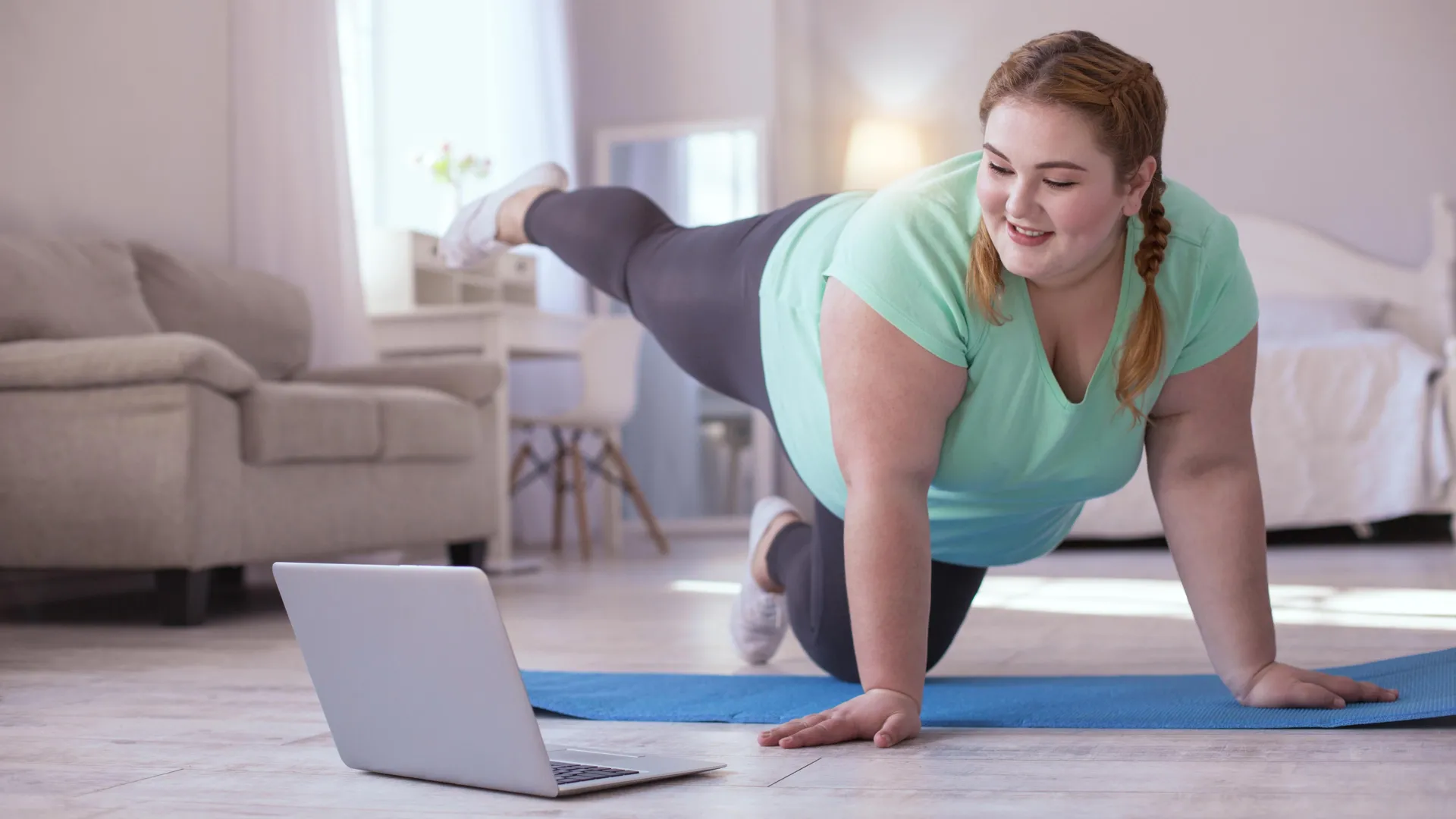
It is a common belief that the main cause of weight gain is laziness and lack of exercise. However, a comprehensive study by Duke University, which analyzed the energy expenditure of thousands of people in various societies, debunks this myth. Researchers compared energy expenditure among hunter-gatherers, farmers, and residents of developed industrial countries and came to a startling conclusion: our daily energy expenditure has not significantly decreased over the course of development.
What then is the real driver of the obesity epidemic? According to the study, the answer is unequivocal: significantly increased calorie intake. We simply eat more than our ancestors did. This does not mean that exercise is not important – it is essential for heart health, mental well-being, and disease prevention. However, when it comes to weight management, diet plays a central role. The study emphasizes that diet and exercise should be treated as complementary, not substitute, components of a healthy lifestyle.
Summary: A large-scale study shows that the primary cause of obesity in developed countries is not decreased physical activity, but increased calorie intake.
Read more about the study: Active but still gaining weight? Duke scientists reveal why
Conclusion
In summary, July's scientific news clearly shows that health is a constantly evolving field, where old dogmas are replaced by new, evidence-based knowledge. We have learned that our diet plays a larger role in weight control than previously thought, and that choosing an egg instead of bacon is a smart move for the heart. Regarding exercise, the goals have become more realistic – even 7,000 steps a day brings significant benefits. In addition, the unexpected potential of natural remedies, such as Tai Chi and fermented stevia, has emerged in both improving sleep quality and fighting serious diseases. These discoveries provide us with practical and science-based tools to make better choices in our daily lives and take responsibility for our well-being. A healthy lifestyle is not about extremes, but about conscious and consistent habits.
Sources Used
-
Egg and Bacon Study: Eggs are off the hook—study reveals bacon’s the real heart risk
-
Stevia and Cancer Study: This sugar substitute does more than sweeten — it kills cancer cells
-
Steps Study: 7000 steps a day cuts death risk by 47%—and that might be all you need
-
Insomnia and Exercise Study: Tai chi, yoga, and jogging rival pills for beating insomnia
-
Creatine and brain study: This muscle supplement could rewire the brain—and now scientists can deliver it
-
Overweight and activity study: Active but still gaining weight? Duke scientists reveal why