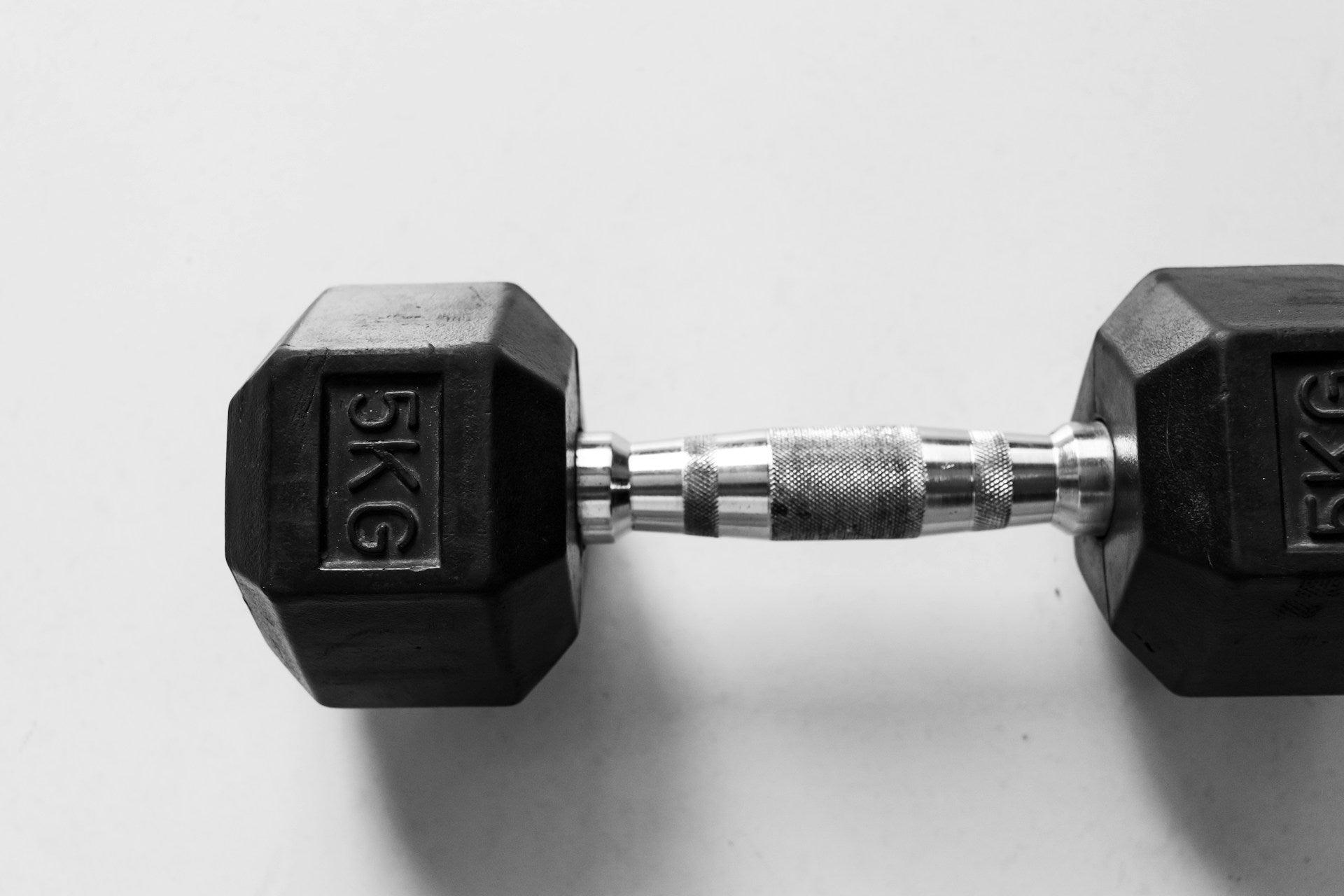
Have you ever wondered if some of the Biggest Gym Training Myths might be affecting your results? Often, you believe something because friends or social media say so. In reality, Evidence and correct Sources help you understand why Myths persist.
- Many people spend money on supplements, but don't see results, because the fundamentals of training and nutrition are missing.
- A short break does not reduce strength or muscle mass, as Training Myths claim.
Ask yourself: do you always believe what you hear?
Key Points
- Supplements do not replace good training and a balanced diet. Focus on these to achieve better results.
- Muscle growth requires time and consistency. Train regularly and give your muscles enough time to recover.
- Don't worry if you can't eat immediately after your workout. You have 1–2 hours to consume the necessary protein.
- A short training break does not mean all achievements are lost. Muscle memory helps you recover faster.
- Dynamic warm-up is more effective than static stretching. It prepares the body better for training.
- Reducing body fat is important for visible abs. Focus on nutrition and full-body training.
- Plan your meals in advance to avoid fast food and sugar consumption. Healthy eating supports your training.
- Consistency and an open mind will help you progress with your training. Don't let myths hinder your goals.
Biggest Gym Training Myths: Supplements

You've probably heard that if you take more supplements, your muscles will grow faster. This is one of the Biggest Gym Training Myths that can easily mislead you. In reality, no powder or pill will make you strong overnight. Let's look at what actually works.
Foundations of Muscle Growth
Muscles grow when you give them enough load and time to recover. You need consistent training and good sleep. If you focus only on supplements, you'll miss out on what's truly important – intense training and recovery. Studies show that without proper training, even the best supplements won't help you build muscle mass.
Tip: Focus on exercise technique and training plan consistency. This will give you better results than any supplement.
Balanced Nutrition
Supplements might seem like an easy solution, but in reality, varied and balanced nutrition is most important for your body. You need proteins, carbohydrates, fats, vitamins, and minerals. If you eat a diverse diet, you'll get everything you need from food already.
The Role of Protein
Protein is essential for muscle growth. However, you don't need to drink several shakes a day. It's enough to get protein from every meal – for example, chicken, fish, eggs, or legumes. Studies confirm that consuming sufficient protein throughout the day supports muscle growth better than one large amount at once.
The Importance of Training
Training is what makes muscles work. If you skip workouts, no supplement will help you. One of the Biggest Gym Training Myths is that supplements do the work for you. In reality, you have to put in the effort yourself. If you train consistently and eat well, you'll see results even without expensive powders.
- Use supplements only if you have a nutrient deficiency or need a quick solution (e.g., after a workout when it's not possible to eat immediately).
- Don't be fooled by advertisements promising quick results.
If you genuinely want to build muscle mass, focus on training and nutrition. Supplements can be helpful, but they don't replace a strong foundation.
Protein and Workout Timing
Have you heard that you need to grab a protein shake immediately after your workout? This is one of the Biggest Gym Training Myths that can cause unnecessary stress. In reality, the truth is much simpler and more flexible.
Anabolic Window
Many talk about the "anabolic window" – a time when your body supposedly absorbs protein best. You might think this window closes immediately after your last exercise. In fact, this window lasts much longer than commonly believed. Studies show that you have 1–2 hours after your workout to consume protein. You don't need to rush or worry if you can't eat immediately after your workout.
Tip: If you can't eat immediately after your workout, don't worry. Your body can still recover if you get enough protein throughout the day.
Daily Protein Intake
Not only timing but also the amount of protein you get throughout the day is important. If you distribute your protein intake evenly across different meals, you support muscle recovery and growth best.
Recovery
Your muscles need a constant supply of protein for recovery. If you eat a little protein with each meal, you help your body recover better. You don't have to focus on just one meal. Consistency is key.
Practical Recommendations
- Plan a protein-rich component with each meal, such as eggs, chicken, fish, or legumes.
- If you know you'll have a long break before your next meal, bring a small protein-rich snack.
- Ensure you get enough protein throughout the day according to your body weight and training load.
Note: Studies (Journal of the International Society of Sports Nutrition, 2024) confirm that daily protein intake is more important than precise timing.
If you take it easy and focus on your overall daily nutrition, you'll notice that results come more easily. You don't have to worry about every minute after your workout. Consistency and a mindful approach are important.
Training Break and Muscle Mass Loss
Have you ever feared that even a short break from the gym would undo all your hard work? This is one of the Biggest Gym Training Myths that can make you worry about every missed workout. In reality, your achievements don't disappear overnight. Let's look at what actually happens when you take a break.
Short Break
If you skip workouts for a few days or even a week, your muscles won't disappear immediately. Your body needs rest and recovery. Sometimes a break can even be beneficial, as muscles can recover and get stronger. However, muscle tissue already begins to decrease after one week of no training. If the break lasts seven days or more, you may notice that muscles might start to atrophy.
- Muscle tissue starts to decrease after just one week.
- Noticeable atrophy can begin with a seven-day break.
- A short rest helps the body recover and can improve performance.
Tip: Don't feel guilty if you have to skip a few days. The important thing is to return to training when you are ready.
Muscle Memory
Your body is smart. If you've trained regularly before, muscle memory will help you get back in shape faster after a break. You don't have to start from scratch. Muscles "remember" previous loads and respond to training faster.
Recovery After a Break
When you return to the gym after a break, you might feel less strong. Don't let this discourage you. Within a few weeks, you'll notice that strength and muscles recover faster than during your first training session. Muscle memory works in your favor.
- Start slowly and listen to your body.
- Increase the load gradually.
- Ensure you get enough sleep and nutrients.
The Importance of a Training Plan
A good training plan helps you recover faster after a break. Establish a simple and consistent routine. Don't try to make up for everything immediately. Focus on basic exercises and monitor your progress.
Note: Consistency is more important than perfection. If you can maintain a routine, you'll return to your previous shape faster.
If you take a break, don't believe the Biggest Gym Training Myth that all achievements disappear. Your body is stronger and smarter than you think. Allow yourself to rest and return to training with confidence.
Stretching Before Workout
Have you ever wondered if stretching before a workout helps prevent injuries? Many believe that static stretching is the best way to prepare the body. In fact, this is one of the most common gym training myths. Let's explore why this is the case and how you can make your warm-up more effective.
Static vs. Dynamic
Static stretching means holding a muscle in one position for an extended period. You feel the muscle stretch and stay still. Many do this before a workout, thinking it helps prevent injuries. However, static stretching before exercise can actually reduce performance. Your muscles become looser, but not ready for exertion.
Dynamic stretching is entirely different. You move, perform circles, jumps, or light jogging steps. Your muscles and joints get better prepared for the load. Dynamic exercises help wake up the body and increase blood circulation. You'll feel more energetic and ready to start your workout.
- Static stretching before a workout can reduce performance.
- Dynamic exercises are more effective for preparing muscles and joints for exertion.
- Static stretching is better suited for finishing a workout and cooling down.
Tip: If you want to stretch before your workout, choose dynamic exercises. For example, leg swings, arm circles, or light jogging.
Warm-up
The warm-up is an important part of your workout. You prepare your body for physical exertion. If you skip the warm-up or only do static stretching, you might actually do yourself harm.
Injury Prevention
A dynamic warm-up helps prevent injuries. Your muscles become more elastic, and joints more mobile. You reduce the risk of muscle strains or other injuries. Static stretching before a workout does not have the same effect. You might feel relaxed, but your body isn't ready for quick movements.
- Perform dynamic exercises before your workout, such as arm and leg circles, light jumping, or jogging.
- Start with simple movements and gradually increase the tempo.
Note: Studies show that dynamic warm-ups reduce injury risk better than static stretching.
Impact on Performance
Your performance depends on how you start your workout. A dynamic warm-up raises your heart rate and improves blood flow to your muscles. You'll feel stronger and be able to do more repetitions or lift heavier weights. Static stretching before a workout can actually decrease strength. Your muscles become too relaxed and don't respond to the load as well.
Pay attention: If you want to give your best in a workout, choose dynamic exercises beforehand. Leave static stretching for the end of your workout.
If you want to progress with your workouts and prevent injuries, make your warm-up dynamic. You'll feel better and achieve better results. Try it in your next workout! 🚀
Biggest Gym Training Myths: Abs and 6-pack
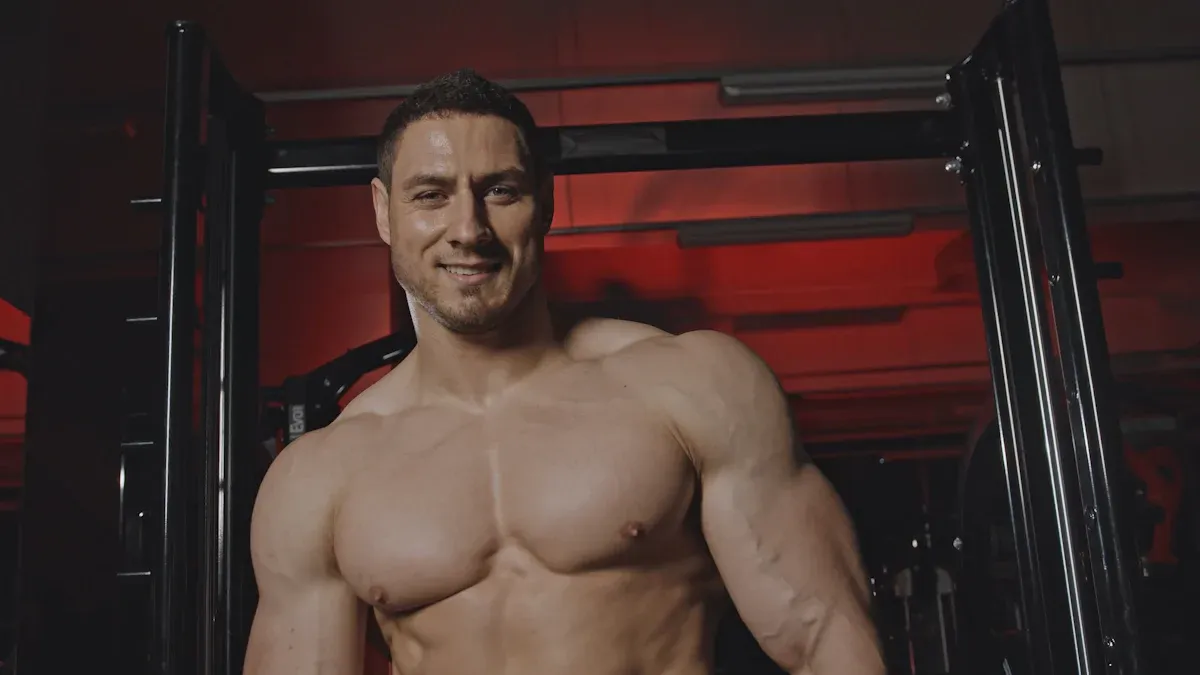
You've probably heard that doing ab exercises every day will quickly get you a 6-pack. This is one of the Biggest Gym Training Myths that can easily mislead you. In reality, just training your abs isn't enough to make them visible. Let's look at what actually works.
Reducing Body Fat
Everyone has abdominal muscles, but they are often covered by a layer of body fat. If you want your abs to be visible, you need to focus on reducing body fat. Ab exercises alone don't burn enough calories or significantly affect your body fat percentage. This is where nutrition and full-body movement come into play.
Pay attention: The visibility of your abs depends more on body fat than on the number of exercises.
You can reduce body fat by eating mindfully and moving more. Healthy eating, sufficient sleep, and an active lifestyle will help you achieve a lower body fat percentage. As your body fat percentage drops, your abs will become more prominent.
Full-Body Training
If you want a 6-pack, focus on full-body training. Large muscle groups, like legs, back, and chest, burn more calories than just ab exercises. Full-body training helps you burn fat faster and improves overall fitness.
The Impact of Nutrition
Nutrition plays a very significant role here. You can do hundreds of ab exercises, but if you eat too much or the wrong things, you won't see results. Focus on:
- Plenty of vegetables and whole grains
- Sufficient protein with every meal
- Drinking water throughout the day
- Reducing sweetened drinks and sweets
Tip: Plan your meals in advance. This way, you avoid the traps of fast food and sugar.
Practical Exercises
For visible abs, sit-ups alone are not enough. Add the following exercises to your workout routine:
- Squats and lunges
- Pushes and pulls
- Planks and torso twists
- Jumps and running drills
These exercises engage many muscle groups simultaneously and help burn more calories. You'll feel your whole body becoming stronger and more resilient.
Try at least one new full-body exercise each week. This keeps your training interesting and varied.
If you want a 6-pack, don't believe the Biggest Gym Training Myth that only ab training brings results. Focus on reducing body fat, full-body training, and conscious nutrition. This way, you'll achieve better and more lasting results!
Breaking gym myths will help you achieve better results and feel more confident. Always think critically when you hear new training advice. In Estonia, you can find information, for example, from blogs and articles, which discuss both myths and the importance of nutrition.
- Distribute your protein intake throughout the day.
- Don't let myths hinder your goals.
- Experiment to find what works for you.
| Topic | Evidence |
|---|---|
| Static stretching | Studies show it does not reduce injury risk and can impair performance. |
| Body fat reduction | Visible abs come from reducing body fat. |
Consistency and an open mind will propel you forward! 🚀
FAQ
Do I need to work out every day to see results?
No, you don't! Your muscles need recovery. If you train 3–4 times a week and give your body rest, you will achieve better results. Consistency is more important than daily exertion.
Do women get "too muscular" with strength training?
You don't have to worry! Women's bodies have less testosterone, which means muscles grow slower. Strength training makes you stronger and more toned, not "too muscular."
How long should a single workout last?
Usually, 45–60 minutes is sufficient. You can have an effective workout in less time if you focus on the exercises and avoid excessive rest. Quality matters more than duration!
Do I have to use only heavy weights for muscles to grow?
No, you don't! You can also use lighter weights and do more repetitions. The important thing is to feel tension in your muscles and perform exercises correctly. Variation contributes to progress.
Is cardio the only suitable method for fat burning?
Cardio helps burn calories, but strength training also supports fat burning. If you combine both, you will achieve better results. Strength training helps maintain muscle mass and speeds up metabolism.
When should I eat before and after a workout?
Eat a light meal 1–2 hours before your workout. After your workout, choose protein-rich food that also contains carbohydrates. This supports recovery and muscle growth. Water is always important!
Is stretching necessary after a workout?
Yes! After a workout, static stretching helps muscles relax and recover. You'll feel more flexible and reduce muscle tension. Don't skip stretching!
How to motivate yourself to continue training?
Set small goals for yourself. Track your progress. Find a workout buddy or try new exercises. If you enjoy the process, motivation will last longer! 🚀
How to motivate yourself to continue training?
Want a free workout plan? You can find a wide selection of plans here. If you want to take your physical development to the next level, you can also purchase a paid workout plan here.