If you've ever wondered, "Can I really get enough protein from a plant-based diet?", you're not alone. Good news: yes, you can — and usually much more easily than internet myths suggest.
In this post, you'll get 10 of the most practical plant-based protein sources (ones that genuinely fit into everyday life), plus simple logic on how to combine them into meals so you don't have to become a nutrition scientist.
A brief background: for example, the American Heart Association's review "Plant-based Protein Infographic" (2024) consolidates the same main categories — legumes, soy, seeds/nuts, and whole grains — which this list also relies on.
In this text, I use the term plant-based protein in its simple meaning: protein that primarily comes from plants (legumes, soy, seeds, whole grains).
Plant-based protein sources don't just mean beans — soy, seeds, whole grains, and seitan are also in play.
You don't need to "combine proteins" in every single meal; variety throughout the day matters.
Simple trick: include 1 main source (legume/soy/seitan) in each meal and add "boosters" (seeds, nuts, whole grains).
If it's hard to get enough protein from food (busy lifestyle, poor appetite, post-workout), plant-based protein powder can be a convenient supplement.
Plant-Based Protein Sources: 3 Things to Know Before the List
You can take this list as a "beginner's shopping list": choose 2-3 favorites, put them into your weekly plan, and build from there.
1) What's the difference between "complete" and "incomplete" protein?
Protein is made up of amino acids. One simple idea to remember: some plant foods are "more complete" in terms of amino acids (e.g., soy, quinoa), while many others complement each other very well.
In practice, this means that if your diet includes various plant-based protein sources throughout the day, you'll generally have all your needs covered. For example, Forks Over Knives emphasizes the same idea in their article "Plant-Based Protein: The No-B.S. Guide" (2025): variety works.
2) How to easily "combine wisely" without overthinking?
Here’s a beginner-friendly rule:
-
Legumes + grains (e.g., lentils + rice, chickpeas + pita) is a classic combo.
-
Legumes + seeds/nuts (e.g., beans + pumpkin seeds on a salad) boost both protein and "satiety."
If you want to delve deeper into this myth, NutritionFacts explains it clearly in the article "Do You Have to Combine Plant Proteins at a Meal?" (2018).
3) How much protein are you aiming for anyway?
A general guideline is that the RDA for protein for adults is about 0.8 g per kilogram of body weight per day (minimum to avoid deficiency). For example, the American Heart Association highlights this on their page "Protein and heart health" (2024). If you exercise regularly or have special needs, your requirements may be higher — but the focus of this post is simple: include one good plant-based protein source in every meal.
1) Lentils
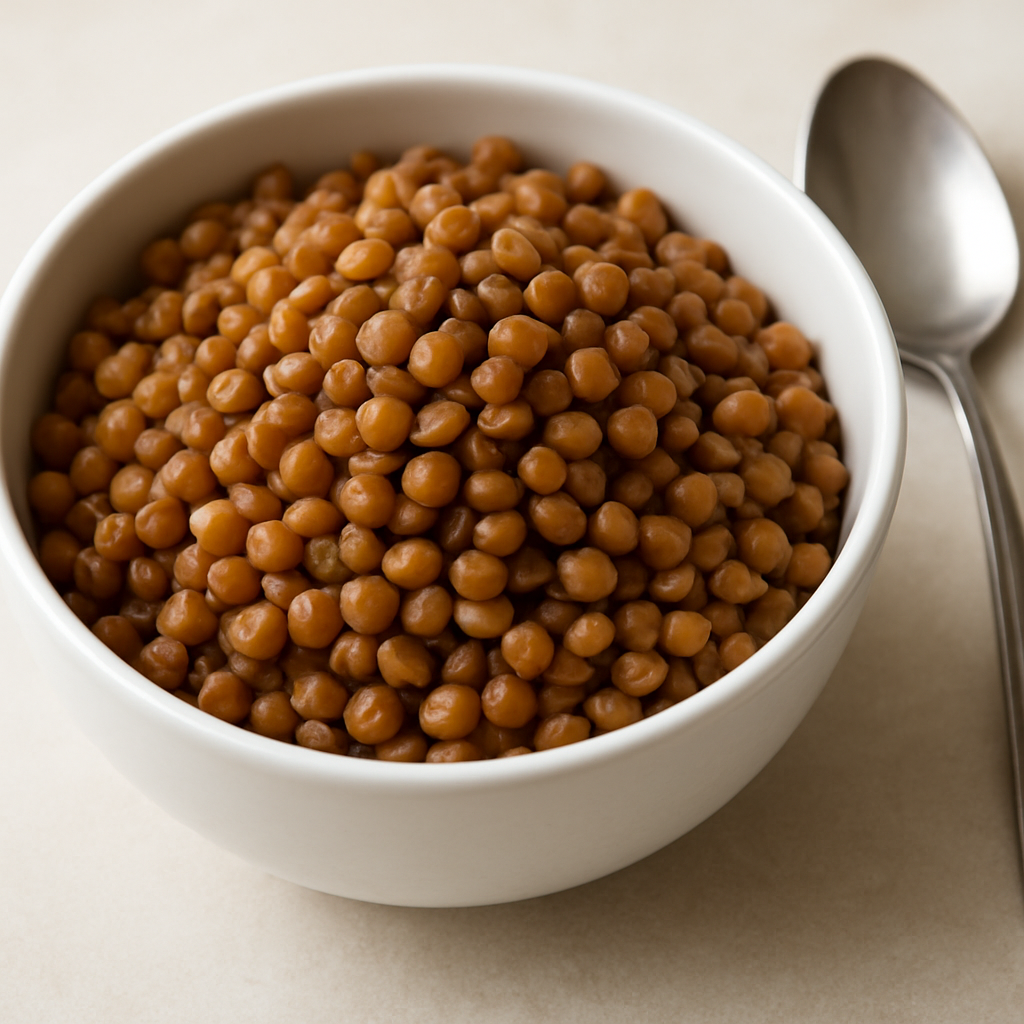
Lentils are one of the easiest and most affordable ways to boost plant-based protein. 1 cup of cooked lentils usually provides a significant amount of protein, but the exact number depends on the serving size and how you measure a "cup" (e.g., heaped vs. level). For precision, check the product label or official nutrient databases (e.g., USDA/national databases).
Why it's a good choice:
-
great for soups, stews, salads, and bowls
-
keeps you full longer (protein plus fiber)
How to use (easy):
-
cook a larger batch and store in the fridge for 2-3 days
-
add to lunch: lentils + quinoa/rice + vegetables + sauce
For a quick, "hearty" sauce, make a tomato sauce and add red lentils — they break down nicely and thicken the sauce.
2) Chickpeas
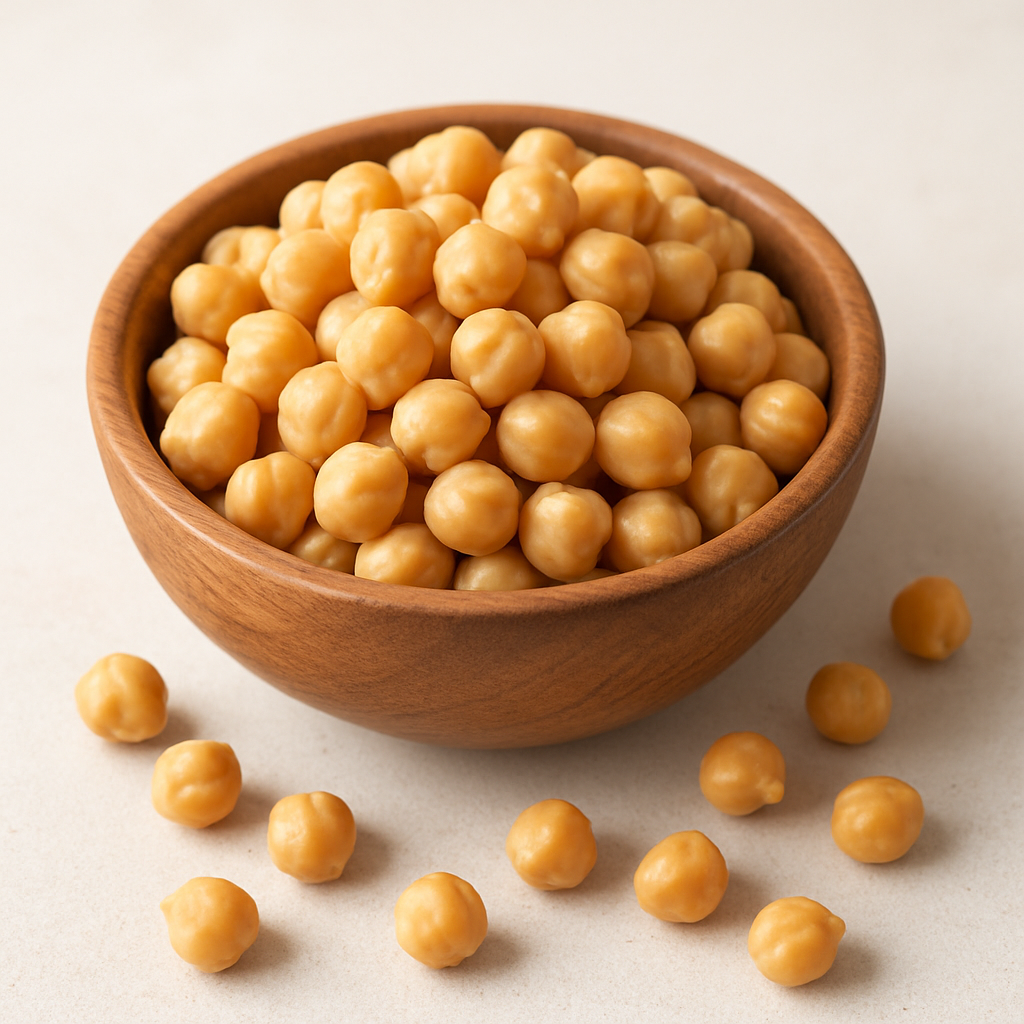
Chickpeas are a true "all-in-one" ingredient: hummus, crispy roasted chickpeas, curries, salads.
Why it's a good choice:
-
easy to start with (even canned)
-
pairs well with seasonings (garlic, lemon, cumin, paprika)
How to use:
-
make hummus in 10 minutes: chickpeas + tahini + lemon + garlic
-
add to salad or wraps with vegetables
A small guide: Healthline compiles plant-based protein sources and serving examples in the article "A Comprehensive Chart of Vegan Protein Sources" (2025).
3) Beans (black beans, kidney, pinto, etc.)
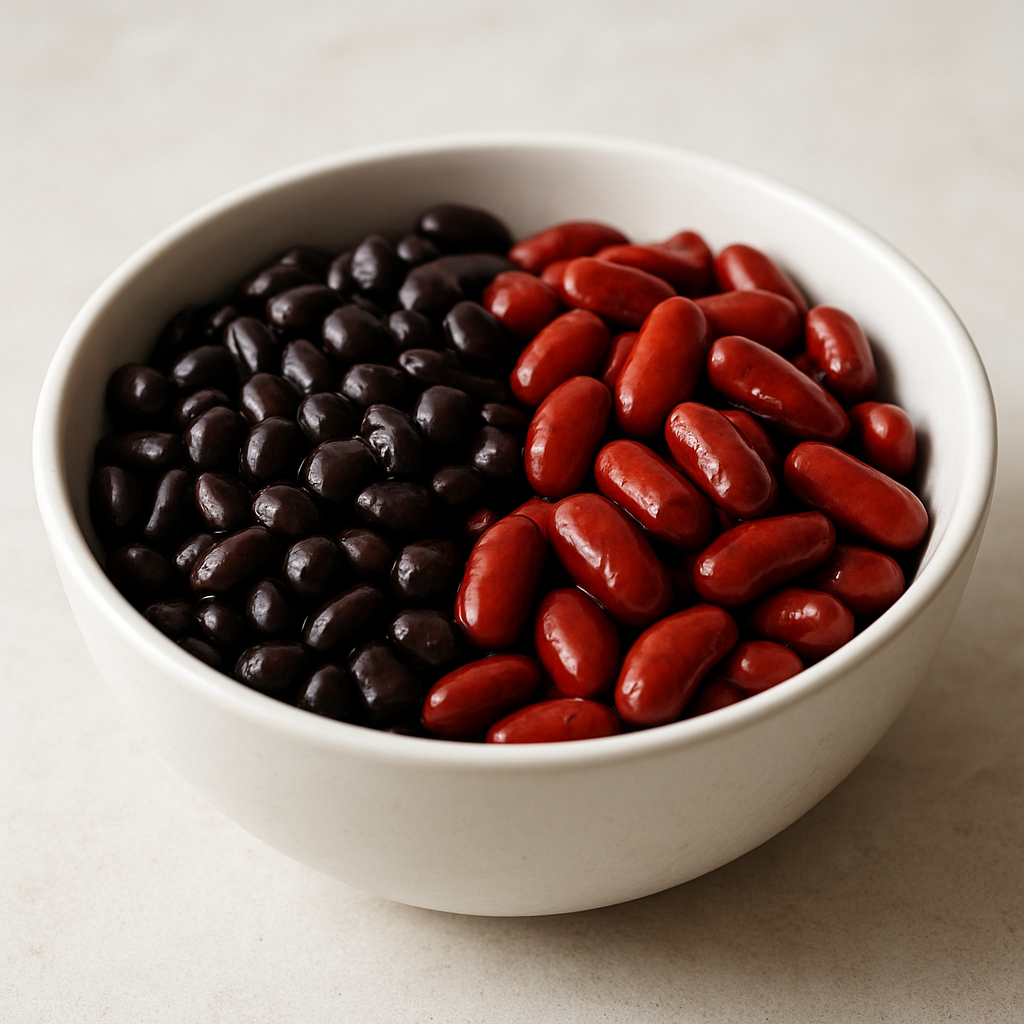
Beans are the "workhorse" of plant-based protein: cheap, hearty, simple, and versatile in dishes.
Why it's a good choice:
-
many different varieties, so you won't get bored
-
suitable for savory and even some sweet dishes (e.g., black bean brownies — yes, really)
How to use:
-
burrito bowl: beans + rice + corn + salsa + avocado
-
bean stew: beans + tomato + onion + spices
If you're starting, begin with canned beans. Just rinse them in a colander — it cleans up the flavor and is often easier on the stomach.
4) Tofu
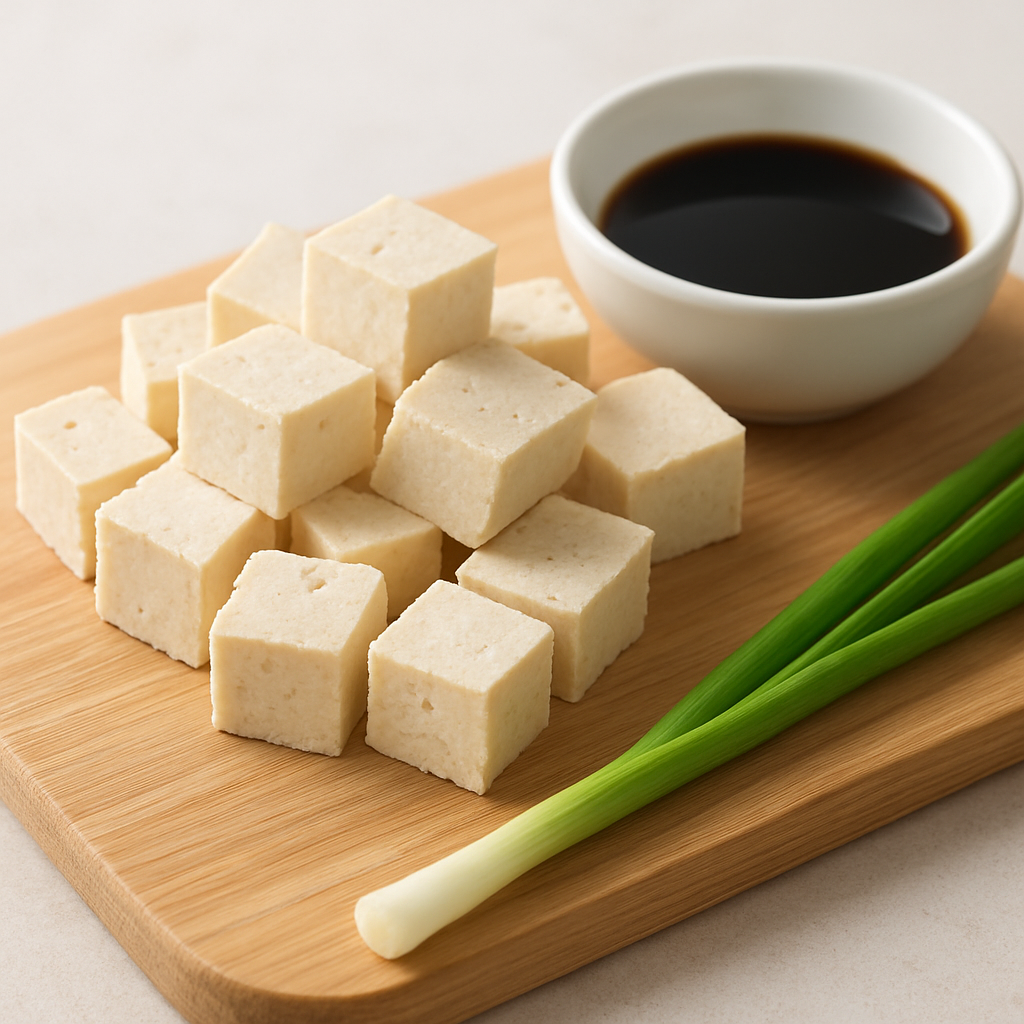
Tofu is the first "soy product" for many, but there's a big difference in how it's prepared. Good tofu isn't "tasteless rubber" — it's like a sponge that soaks up flavor.
Why it's a good choice:
-
versatile: pan-fried, baked, in soups, even desserts
-
suitable for both savory and sweet dishes
How to use:
-
press out excess water (or use paper towels)
-
cut into cubes, season (soy sauce, garlic, ginger), and fry until crispy
Beginner tip: If tofu seems "too soft," choose firm tofu and pan-fry it on a hot pan.
5) Tempeh
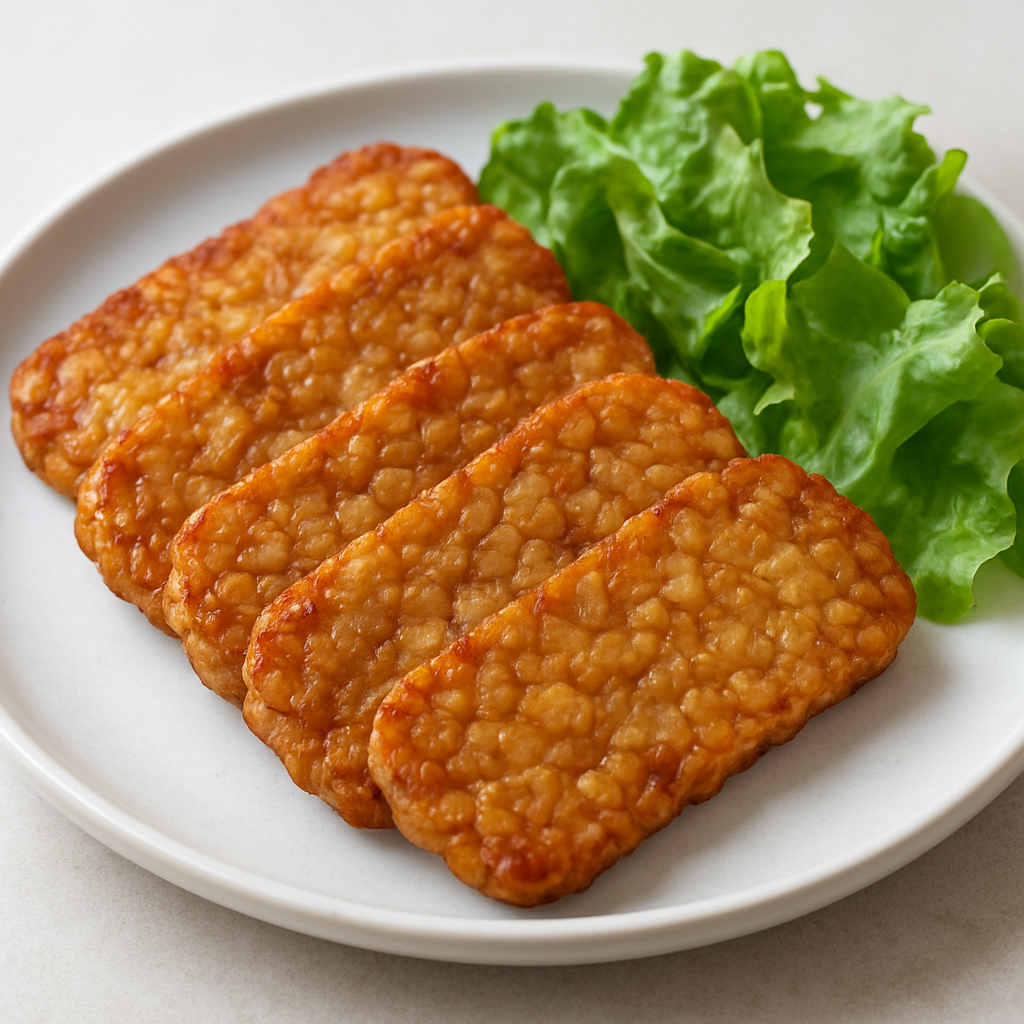
Tempeh is a fermented soy product with a nutty flavor and firmer texture than tofu.
Why it's a good choice:
-
"meatier" mouthfeel (easier transition for many)
-
high protein density
How to use:
-
slice, marinate (soy sauce + lemon + honey/agave syrup + chili), and bake
-
add to sandwiches or salads
If tempeh tastes too "strong," steam the slices for 5 minutes before frying — the flavor will mellow.
6) Edamame (soybeans)
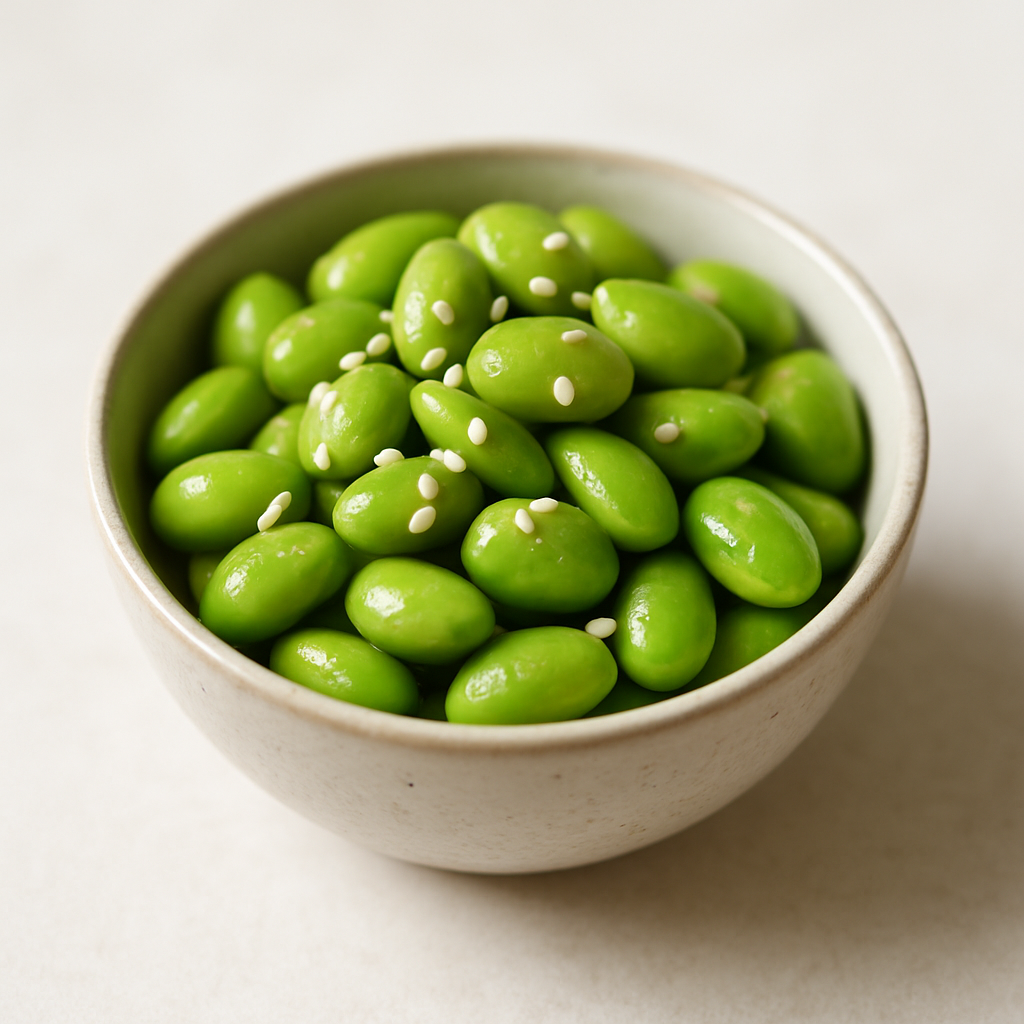
Edamame is super simple: boil/steam and eat. Many summaries highlight 1 cup of shelled edamame as a high-protein serving.
Why it's a good choice:
-
quick snack
-
great for salads and bowls
How to use:
-
add to a bowl: edamame + quinoa + vegetables + sesame oil
-
eat as a snack: salt + lemon
Similarly, the Mayo Clinic Health System article "Tips for eating more plant proteins" (2023) compiles examples — there you'll also find good ideas on how to make your usual dishes "more plant-based."
7) Seitan
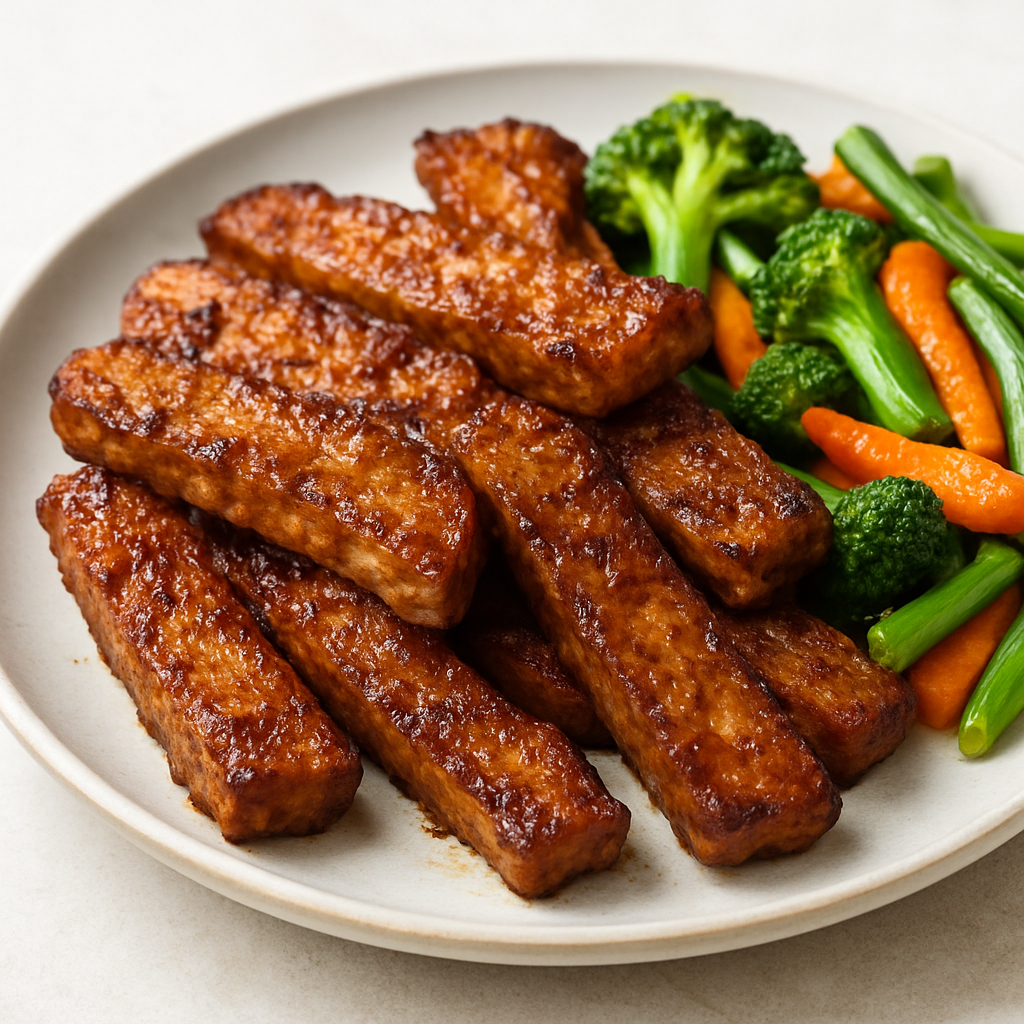
Seitan is a protein-rich food made from wheat gluten, often having a very "meaty" texture.
Why it's a good choice:
-
very high protein density
-
great for stir-fries, fajitas, sandwiches
How to use:
-
fry in strips and add to tacos
-
make a quick stir-fry: seitan + vegetables + teriyaki
If you have gluten sensitivity or celiac disease, seitan is not suitable.
8) Quinoa
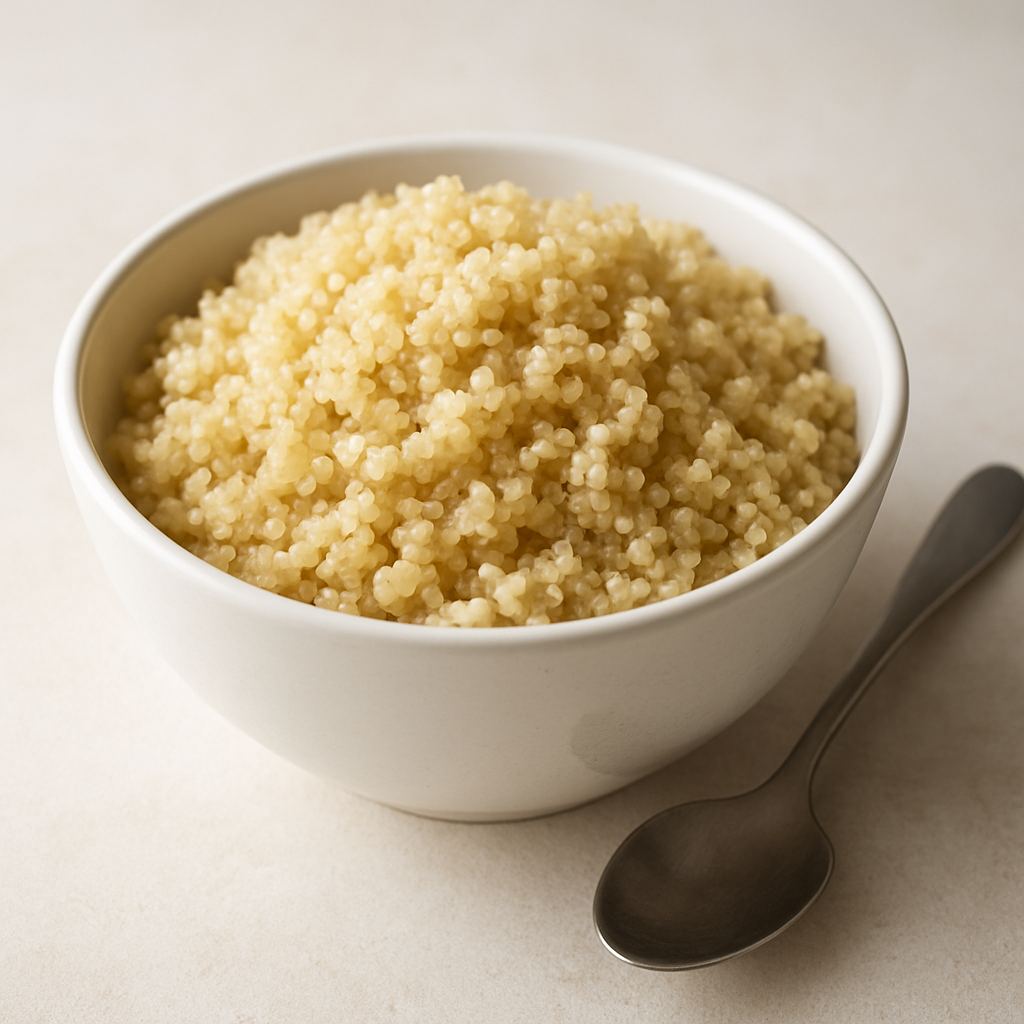
Quinoa is a "pseudo-grain" used like rice. Plus: it's one of the best-known plant-based foods, often cited as a strong choice for "complete" protein.
Why it's a good choice:
-
easy addition to any meal
-
suitable for both savory and sweet (quinoa porridge)
How to use:
-
cook like rice, but rinse first (reduces bitter taste)
-
make a "bowl": quinoa + chickpeas + vegetables + tahini dressing
9) Hemp Seeds
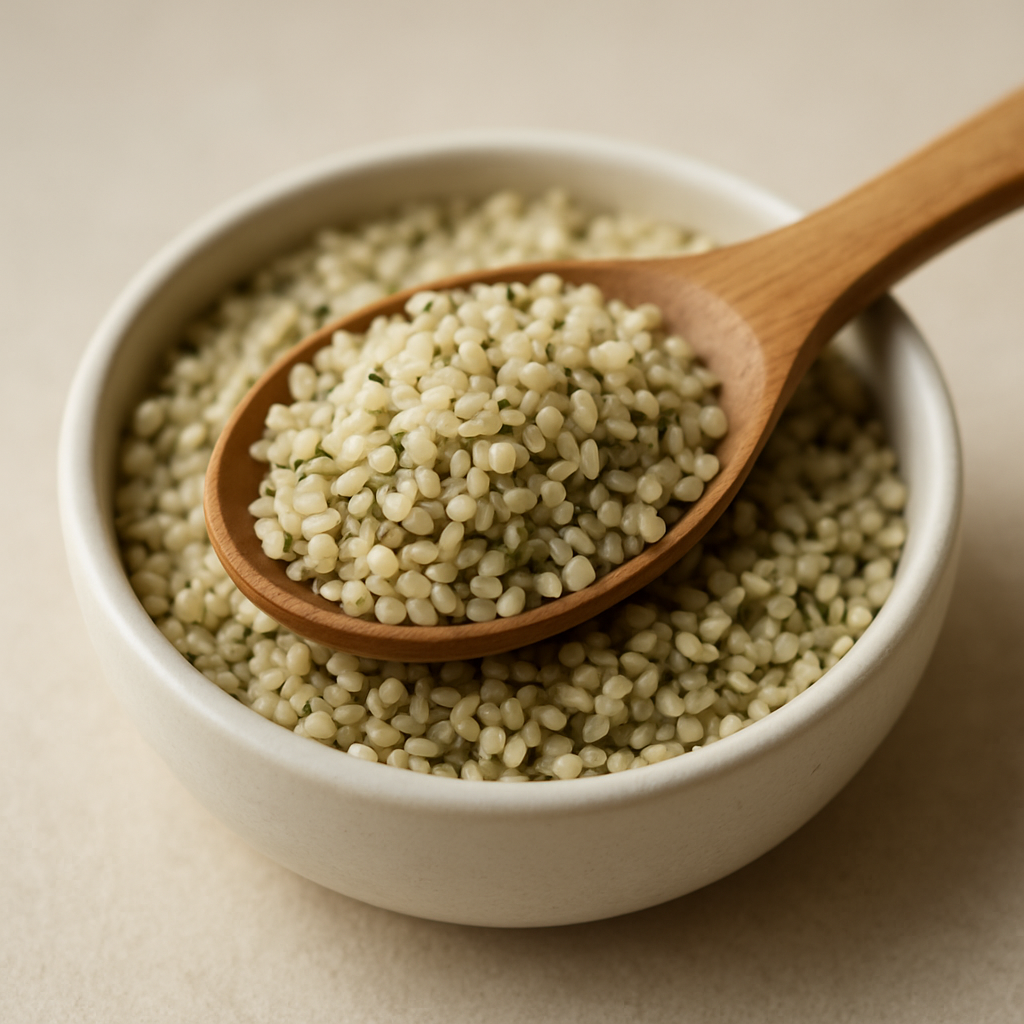
If you want one small addition that simultaneously boosts protein and "nutritional value," hemp seeds are very convenient.
Why it's a good choice:
-
easy to "sprinkle" — no cooking needed
-
great for porridge, yogurt, salads, smoothies
How to use:
-
add 1–3 tbsp to breakfast
-
make a smoothie: plant-based milk + banana + berries + hemp seeds
Healthline's chart lists hemp seeds as one of the highest protein seed options in the article "A Comprehensive Chart of Vegan Protein Sources" (2025).
10) Pumpkin Seeds
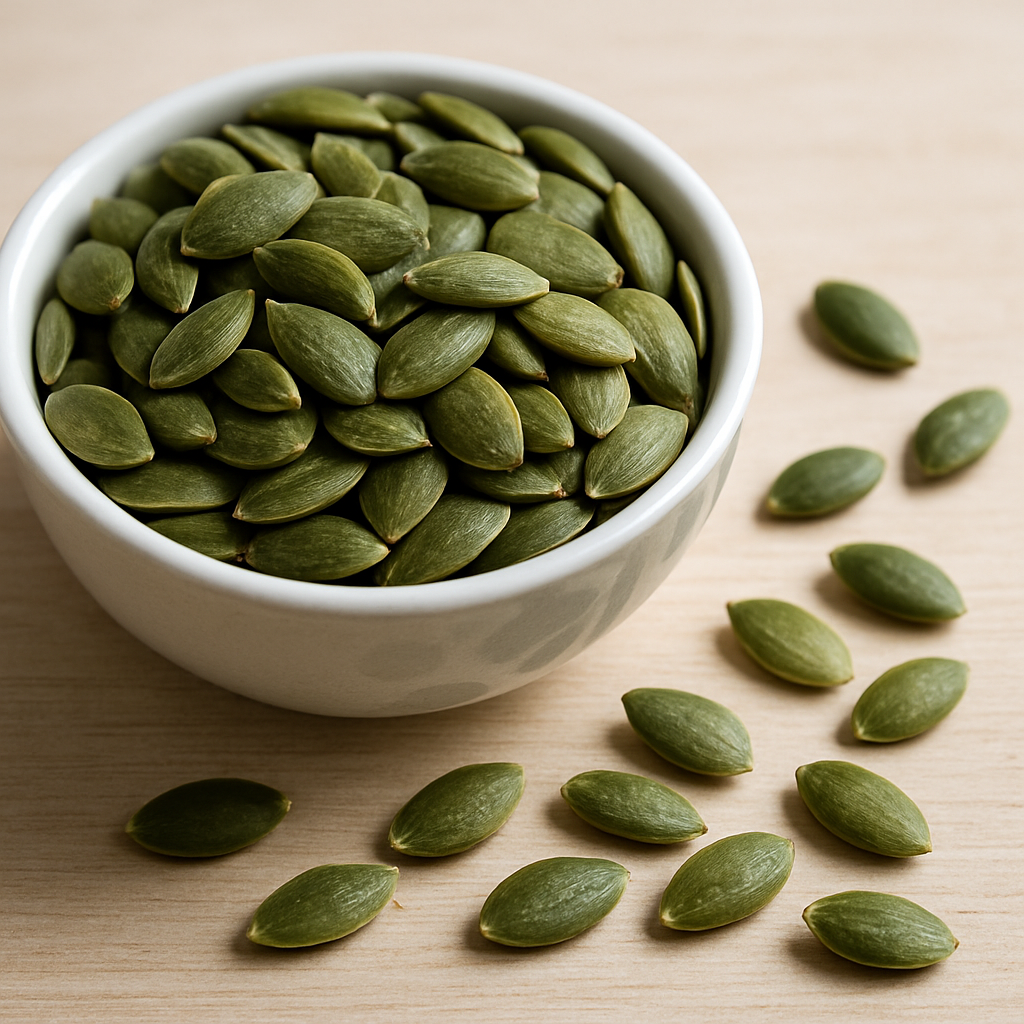
Pumpkin seeds (pepitas) are a crunchy and readily available way to add a layer of "protein + minerals" to your food.
Why it's a good choice:
-
good snack, good salad topping
-
also great on soups (e.g., pumpkin soup + pumpkin seeds — a classic)
How to use:
-
toast in a pan for 2–3 minutes (carefully, not to burn)
-
add to salad, bowls, or porridge
Safety and Special Cases (Worth Knowing Before Changing Your Diet)
-
Allergies and intolerances: Soy (tofu/tempeh/edamame) and nuts/seeds can be allergens.
-
Digestion/FODMAP sensitivity: Legumes might cause bloating initially — increase amounts gradually and rinse canned goods thoroughly.
-
Gluten: Seitan is not suitable for celiac disease or gluten intolerance.
-
If you have health concerns, are pregnant/breastfeeding, or on a special diet, seek personalized advice from your family doctor or a nutritionist.
Quick Checklist: How to Make "Plant-Based Protein" Easy in Real Life
If you want it to work without overthinking, keep these 6 things at home:
-
1-2 legumes (lentils, chickpeas, beans — even canned)
-
1 soy product (tofu or tempeh; frozen edamame is especially quick)
-
1 high-protein "exception" (seitan, if gluten is suitable)
-
1 whole grain side (quinoa, brown rice, whole-wheat pasta, or oats)
-
2 "boosters" (hemp seeds + pumpkin seeds / nuts)
-
2 flavor enhancers that make everything taste good (soy sauce, tahini, lemon, salsa, tomato sauce)
Tip for beginners: Start with one "main dish" that you repeat 2-3 times a week (e.g., lentils in tomato sauce or tofu stir-fry). Consistency boosts protein more than hunting for new recipes.
3 Simple Sample Menus (to Actually Get Your Plant Protein)
If you feel like, "Okay, the list is great, but how do I put it together in real life?", here are three beginner-friendly options. These aren't diet plans — they're more like templates you can adapt to your taste.
Sample Menu 1: Quick Weekday
-
Morning: Oatmeal + 2–3 tbsp hemp seeds + a handful of nuts or peanut butter.
-
Lunch: Chickpea or bean salad (from a can) + whole-wheat bread or quinoa + vegetables.
-
Dinner: Tofu stir-fry with vegetables + rice.
Why it works: Each meal has a "main source" (legumes/soy) and a simple "booster" (seeds/nuts).
Sample Menu 2: "I don't want to eat a lot, but I want it to be hearty"
-
Morning: Chia pudding with plant-based milk + pumpkin seeds + berries.
-
Lunch: Lentil soup (or lentils in tomato sauce) + bread.
-
Dinner: Tempeh or seitan + vegetables + quinoa.
Tip: If portions tend to be small, choose more protein-dense options (tempeh/seitan) more often and add seeds.
Sample Menu 3: Post-Workout (Easy and Quick)
-
Post-workout: edamame (or tofu) + fruit.
-
Lunch/Dinner: beans or lentils + rice/quinoa + vegetables.
Tip: If you're short on time on a workout day, prepare legumes in advance (or keep canned ones in the cupboard). Consistency counts more than a perfect recipe.
TRENNIEKSPERT's Perspective (Practical, not Medical)
Our experience with people in gyms and with active lifestyles is simple: in most cases, a "lack of protein" doesn't occur because there are no options – but because daily life is fast-paced and meals become irregular. Therefore, the best start is to have 2-3 reliable main sources (legumes/soy) and a few simple boosters (seeds/whole grains) at home that you can add to almost any dish.
Where does plant-based protein powder fit in here?
If you get enough protein from food, that's great – there's nothing "mandatory" to add.
But sometimes, real life is different:
-
you're busy and don't have time to cook a proper meal
-
you have a small appetite after a workout
-
it's difficult to "fill your day's menu with protein"
In such cases, plant-based protein powder can simply be a convenient tool. If you want to see what options TRENNIEKSPERT offers, you can find them here:
If you want a broader overview of protein (including animal sources and the general logic of "how much protein per day"), TRENNIEKSPERT's blog has a good summary: "10 best protein sources".
Video: One simple way to incorporate plant-based protein into your day
FAQ: Common questions about plant-based protein
Is it generally easy for vegans/those on a plant-based diet to get enough protein?
Yes – especially if your diet regularly includes legumes, soy (products), seeds, and whole grains. Nutritionist organizations often consider the fear of "protein deficiency" a myth when the diet is varied. For example, EatRight.org summarizes such perceptions in its article "Building a Healthy Vegetarian Diet: Myths and Facts" (2021).
Do I need to create a "perfect amino acid combination" in every meal?
Mostly not. The body uses amino acids throughout the day, and it's important that you eat a varied diet.
What is the easiest beginner step to take today?
Make one simple swap: add one source of plant-based protein (lentils/chickpeas/tofu) to your usual lunch or dinner and keep "boosters" (seeds, nuts) ready in the fridge.