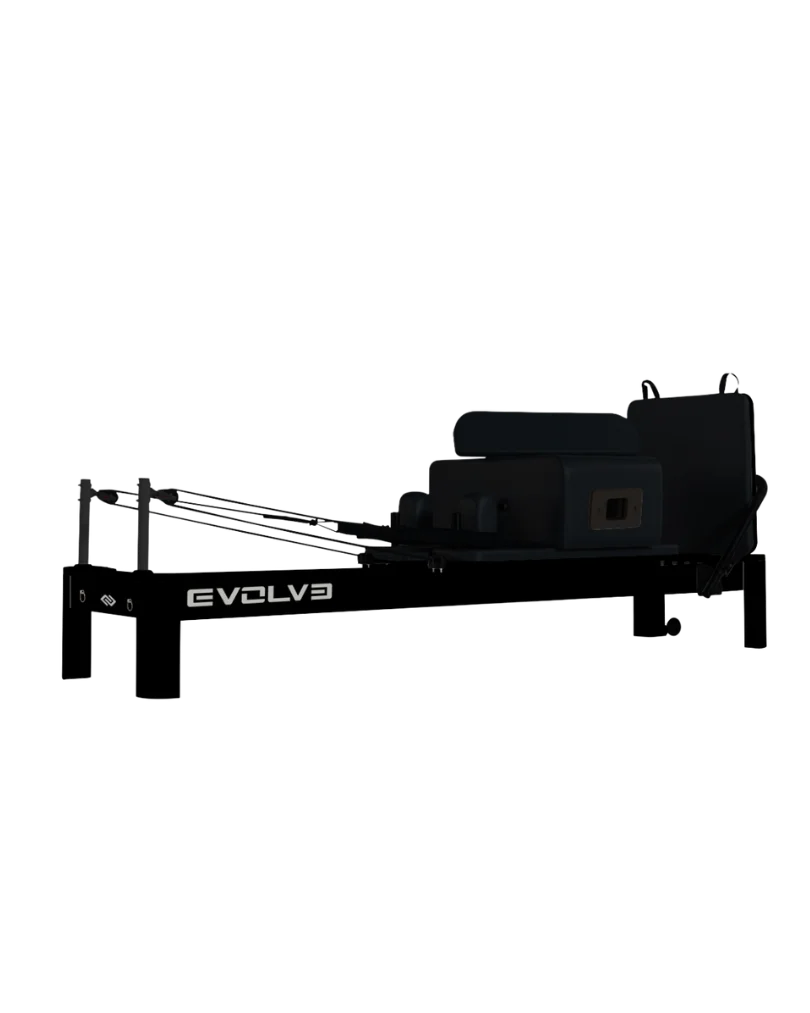
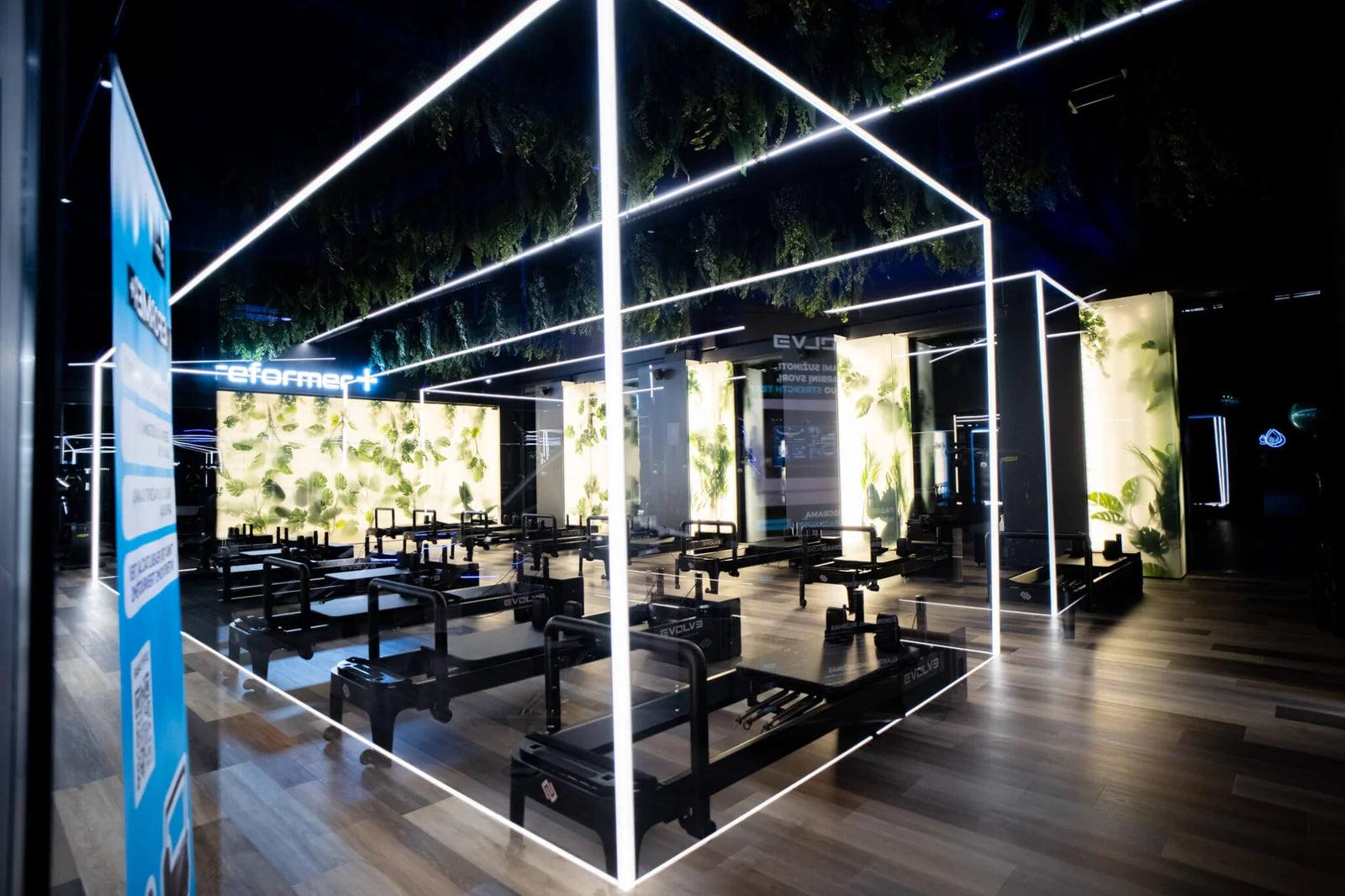
Have you ever wondered how to make your Pilates reformer workout truly effective? You don't have to choose just one location – Pilates studios and home workouts both offer excellent opportunities. See how people in Estonia start in a studio, gradually move to practicing at home, and eventually can train anywhere:
Stage |
When |
Why |
|---|---|---|
Foundation |
To learn the "language" of Pilates, for safe practice. |
|
Maintenance |
After feeling confident |
Hybrid approach to maintain fitness at home and in the studio. |
Mastery |
You've embraced the method |
Advanced practitioners can practice anywhere, including at home. |
If you're interested in a beginner's guide, what reformer Pilates is, or what to expect from the best workout, you're in the right place. Try different recommendations and find what works for you!
Key Points
Set clear goals to ensure workouts are focused and effective. Write them down and track your progress.
Monitor your progress to stay motivated. Use a workout journal or app to record your achievements.
Use correct technique and posture to avoid injuries. If you need help, ask a trainer or watch instructional videos.
Choose the right Pilates reformer that meets your workout needs. Look for quality and comfort to make workouts enjoyable.
Train consistently and create a workout plan. Small, regular exercises bring greater results.
Pilates Workout Goals
Setting Goals
Have you ever wondered why some people achieve results faster in Pilates training? The secret lies in setting goals. When you set clear targets, you know exactly what you're striving for. Consider whether you want to improve posture, increase flexibility, or strengthen your core. Write down your goals and set a timeline for yourself. This way, each workout will bring you one step closer to your dreams.
Joseph Pilates famously said: "In 10 sessions you will feel the difference, in 20 you will see the difference, and in 30 you will have a whole new body."
This quote reminds us that consistency and purposeful training bring visible results. When you know what you want to achieve, every exercise becomes more meaningful.
Tracking Progress
Once you've set your goals, don't forget to track your progress. This helps you notice small victories and keeps your motivation high. Try keeping a workout journal or using an app where you can record the duration, difficulty, and your feelings after each Pilates workout. You can also take photos or measure body parameters to see changes over time.
If you notice that you are stronger or more flexible than a month ago, you will definitely feel proud. This gives you the strength to continue and try new exercises. Every small step counts, and by tracking your progress, you can adapt your workout even better.
Correct Technique and Posture
Injury Prevention
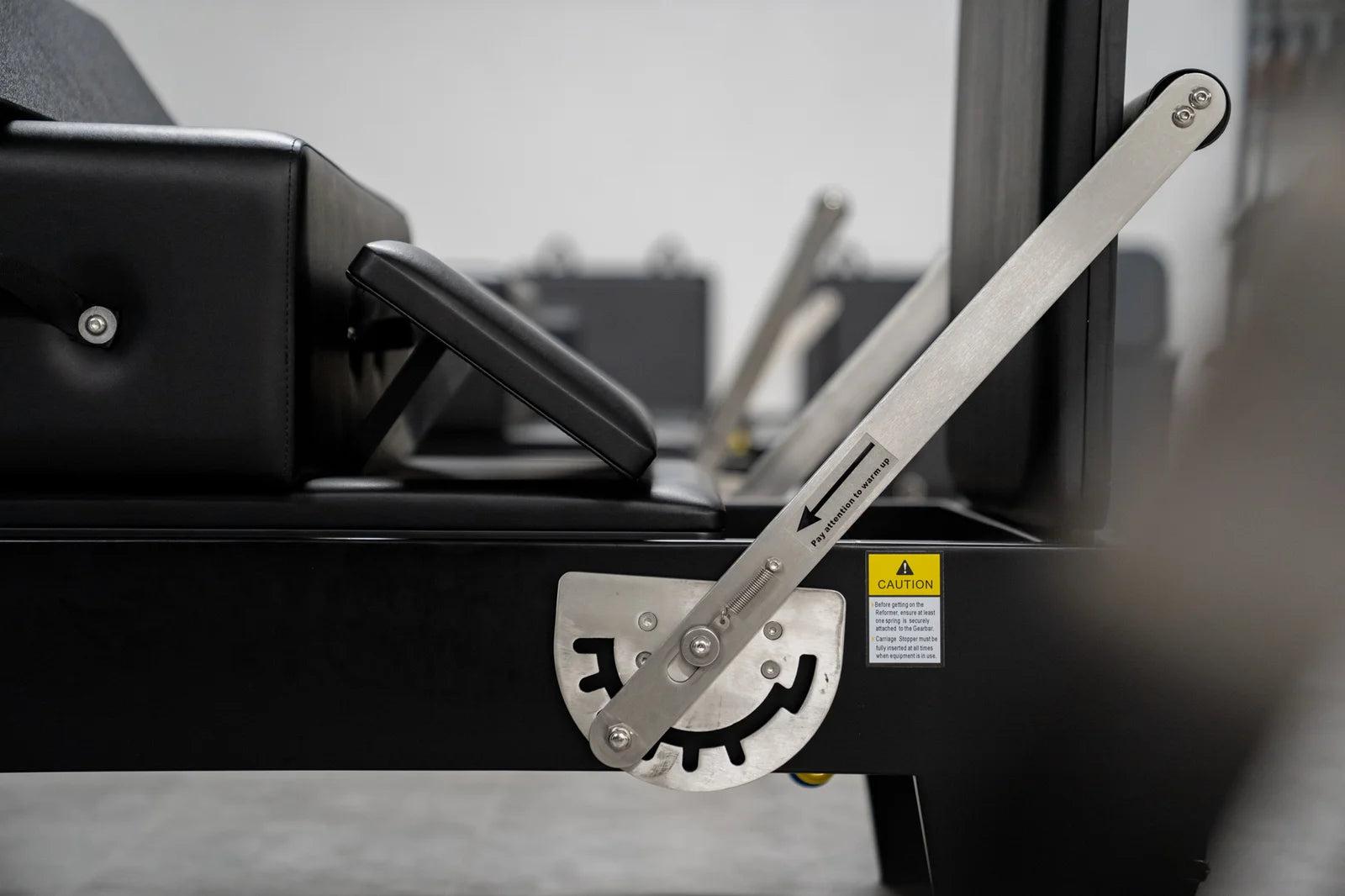
Have you ever felt that some Pilates reformer exercises feel uncomfortable or even painful? Preventing injuries starts with correct technique and posture. You don't have to worry if you follow a few simple rules. Many injuries occur when exercises are performed hastily or incorrectly. You can protect yourself by paying attention to your movements and listening to your body.
Here are some tips to help you train safely:
Always follow the correct technique for exercises. If you are unsure, watch a video or ask a trainer for advice.
Seek professional guidance if necessary. A trainer can adapt exercises to your body's specific needs.
Don't forget that a trainer's presence helps you avoid mistakes and injuries. With a trainer by your side, you get immediate feedback and can correct your posture.
A small mistake in technique can lead to a bigger problem. You don't have to take risks – rather ask for help and learn correctly!
If you're practicing at home, you can use a mirror or film yourself to check your posture. This way, you'll immediately notice if something needs correction.
Posture Control
Good posture is the foundation of Pilates training. You will feel stronger and more flexible if you hold your body correctly. Posture control helps you activate the right muscles and avoid overexertion. You can start simply – pull your shoulders back, keep your back straight, and ensure your hips are aligned.
When practicing with a reformer, try to focus on your breathing and the flow of movements. You'll notice that each exercise becomes more effective when your body is stable. Practicing in front of a mirror allows you to immediately see if your posture is correct. Sometimes, a trainer's advice can also help – one small correction can change the entire feel of the workout.
You can use small aids, such as a Pilates ring or a cushion, to support your posture. These help you maintain the correct position and develop muscle balance. If you practice regularly, good posture will become natural, and you'll feel better both during workouts and in everyday life.
Choosing Pilates Equipment
Equipment Features
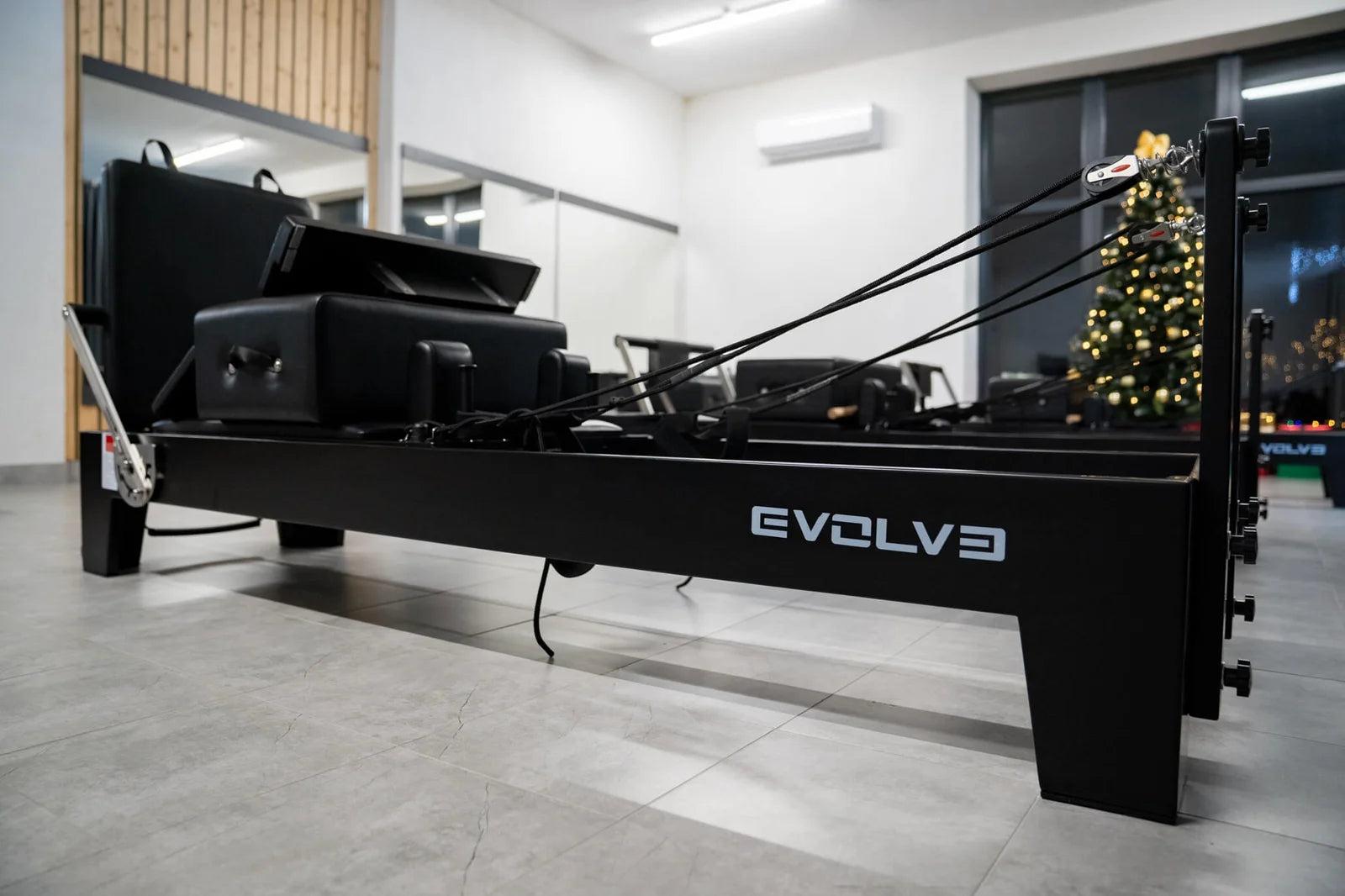
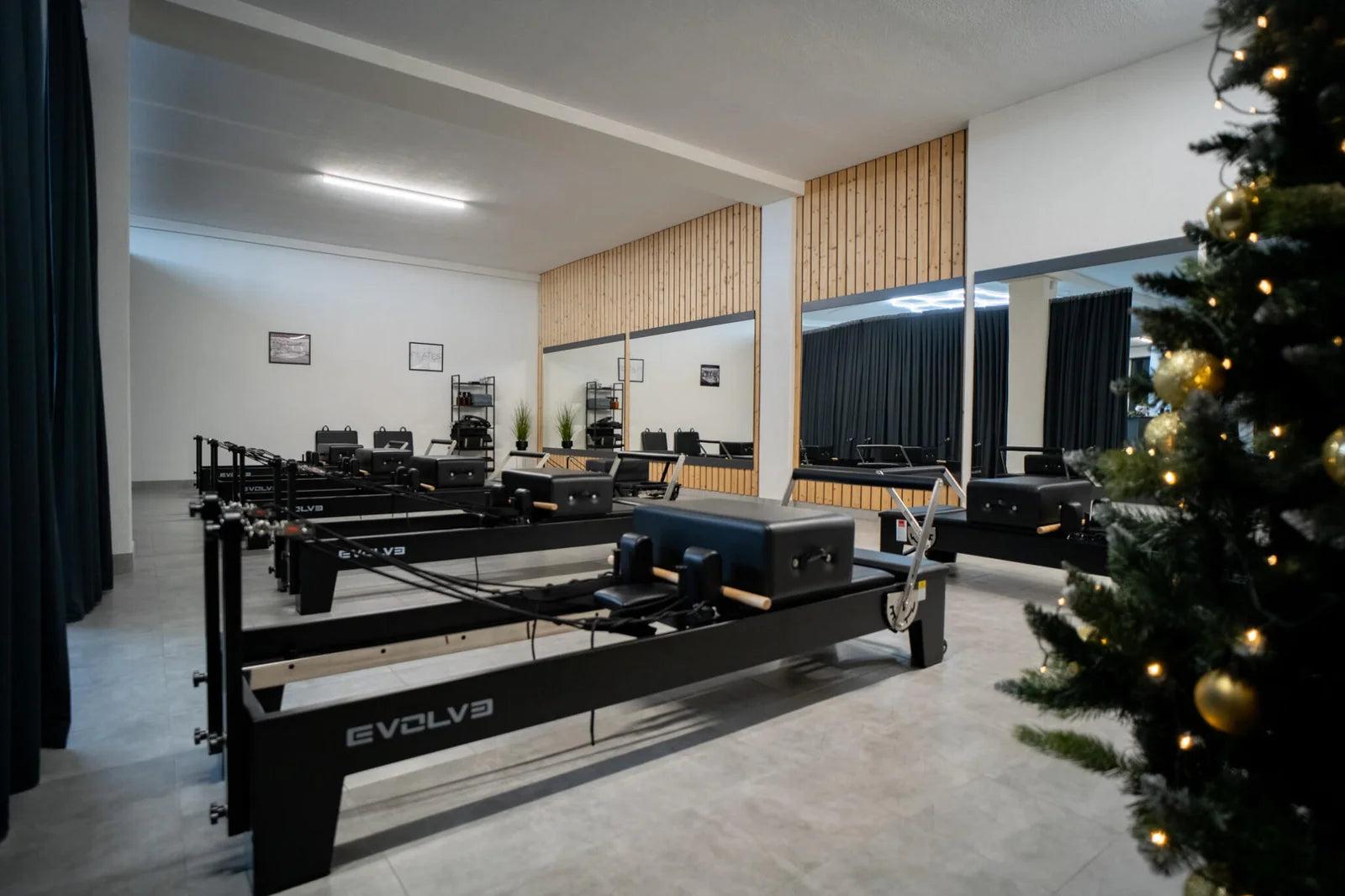
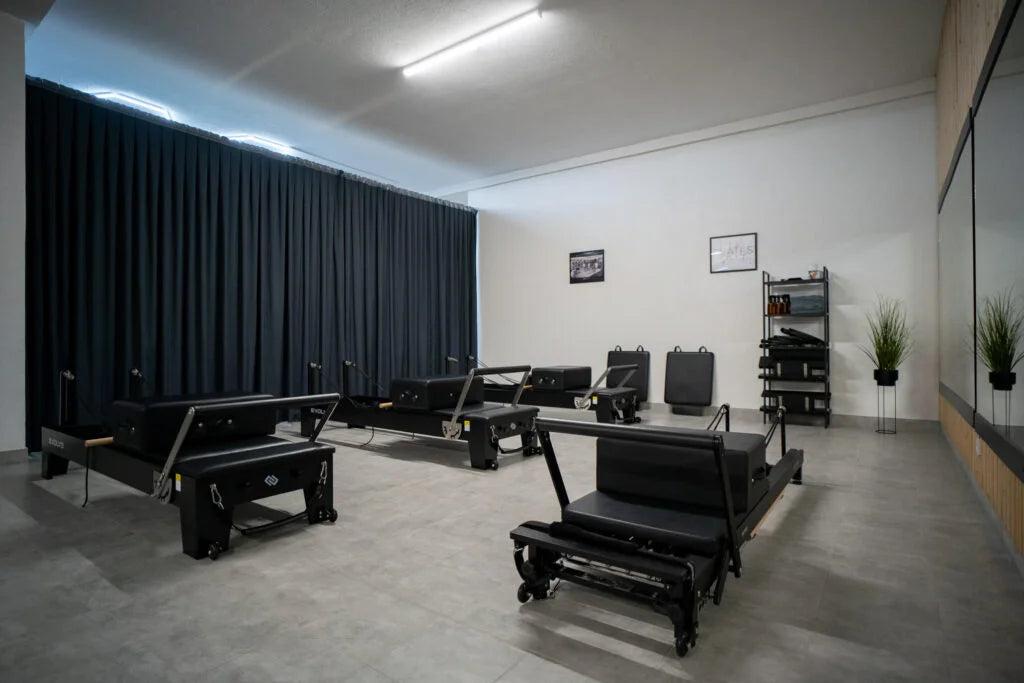
When choosing a Pilates reformer, first consider where you will be training. At home, there is often less space, and the equipment needs to be easily storable. Studios offer more options, and larger equipment, which provides a wider range of exercises, is often used. You can choose a high-quality and versatile reformer, such as the Evolve Prime Series Pilates Reformer (PR-020). It is suitable for both home and studio use.
What should you look for in the equipment? Here are some important features:
Smooth and quiet movement. This helps you focus on the exercises, not distracting noise.
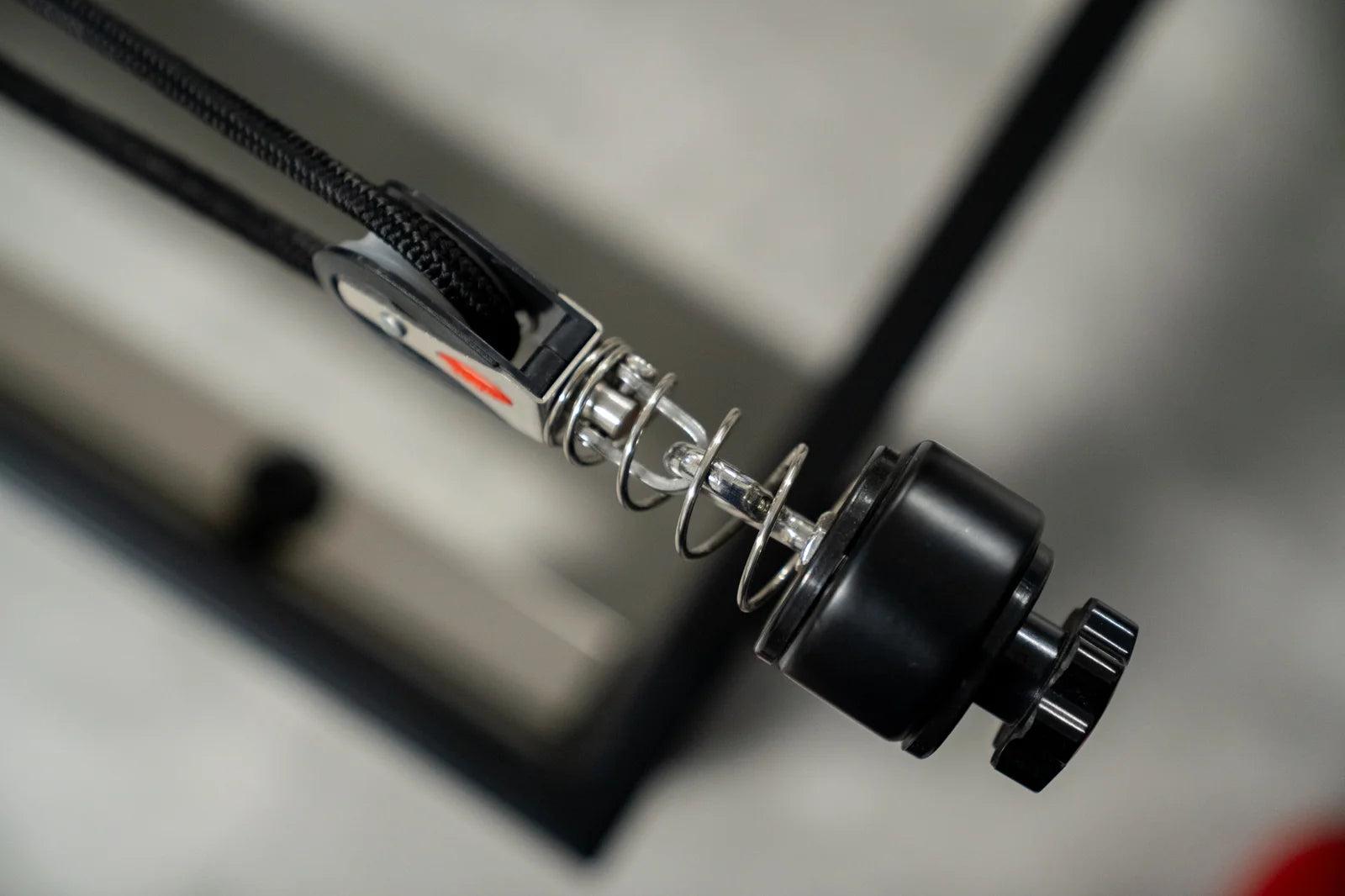
Adjustable components. You can change the position of the footbar, ropes, and handles to suit your needs.
Durable steel frame. This ensures the equipment lasts for years, even with daily use.
Convenient storage. If space is limited, you can easily stand the reformer upright and move it with wheels.
By choosing such equipment, you can perform hundreds of different exercises. You don't have to worry whether you are a beginner or advanced – everyone will find a suitable difficulty level.
Tip: If you want more freedom of movement and variety of exercises, choose a reformer with a detachable jump board and adjustable ropes.
Accessories and Maintenance
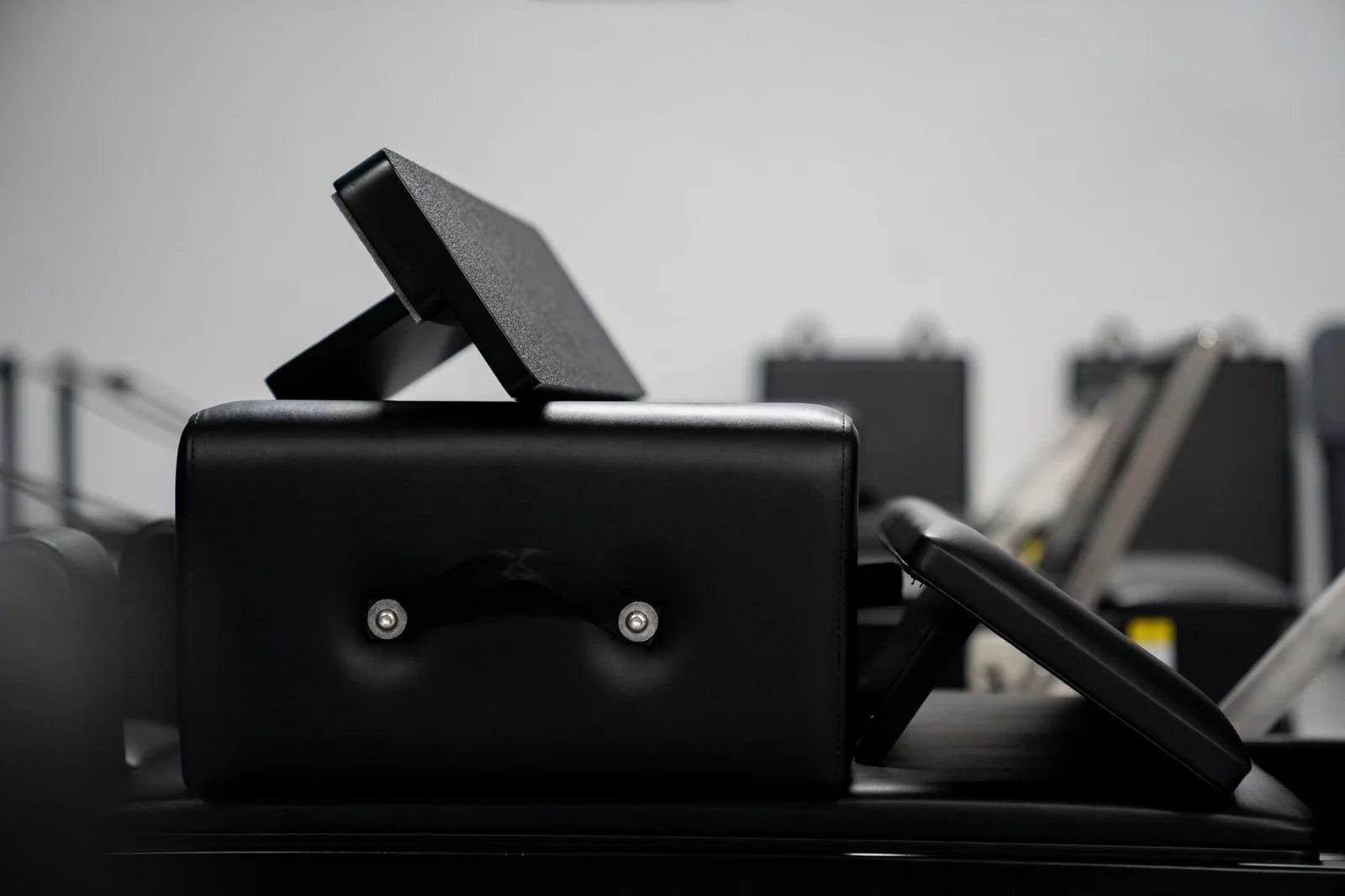
Accessories give you even more options. For example, you can use a Pilates box for seated exercises or kneeling. A jump board allows for cardio workouts. To make your workout more comfortable, choose a carriage with soft padding and ergonomic shoulder pads.
Maintenance is easy if you choose quality equipment. Clean the reformer regularly and check that all moving parts operate smoothly. If you notice wear, replace the parts. This way, your equipment will last a long time, and your workouts will always be safe.
By choosing the right equipment and taking care of it, you'll get the most out of your Pilates training, both at home and in the studio.
Consistency in Training
Workout Plan
If you want to see real results, you need to train consistently. Many start with great enthusiasm, but motivation can quickly wane. This is where a well-thought-out workout plan helps. You don't have to do long and exhausting workouts every day. What's important is that you practice regularly and find a rhythm that suits you.
Try these simple steps to create an effective workout plan for yourself:
Use streaming platforms and apps. This way, you can bring the trainer and classes directly to your home.
Prepare a special place where you can train peacefully. If you have a designated space, practicing becomes a habit.
Train more often, even if the sessions are short. Small steps lead to great results.
If you follow the plan, you'll soon notice that your body becomes stronger and more flexible. You don't have to worry if you miss a day. The important thing is that you always come back and continue from where you left off.
Maintaining Motivation
Motivation can fluctuate, especially when results don't come immediately. Knowing that every workout counts helps you here. You might recall Joseph Pilates' words:
"In 10 sessions you will feel the difference, in 20 you will see the difference, and in 30 you will have a whole new body."
This quote reminds us that consistency leads to success. Set small goals and celebrate every achievement. You can keep a journal or take pictures to see your progress. When you notice changes, your desire to strive further will also grow.
Find a workout buddy or join an online group. It's easier to stay motivated together. If you feel like a change, try new exercises or vary the duration of your workout. Pilates offers endless possibilities to keep your workouts fresh and interesting.
Safety and Recovery
Listening to Your Body
You've undoubtedly heard that listening to your body is important. When training with a Pilates reformer, this becomes even more crucial. If you feel tired, pain, or discomfort, give yourself permission to take a break. Not every day is the same. Sometimes you feel energetic, other times you need more rest. You don't have to push yourself if your body signals that it's time to slow down.
If you notice that an exercise causes pain, stop immediately. Try to find a more comfortable position or choose an easier exercise. You can always consult a trainer if you need advice. Listening to your body helps you prevent injuries and ensures your workouts remain enjoyable.
💡 Tip: Pay attention to your breathing. If your breathing becomes shallow or broken, it could be a sign of overexertion. Take a moment and breathe deeply.
Importance of Recovery
Recovery is just as important as the workout itself. When you give your body time to recover, you become stronger and more flexible. You can plan recovery days into your workout schedule. This doesn't mean you have to lie on the couch all day. Try gentle stretching, a walk, or breathing exercises.
Here are some simple tips for recovery:
Get enough sleep. Good sleep helps muscles recover.
Drink water. Fluids support body recovery.
Do light stretches after your workout.
Listen to your body and take a break if needed.
Recovery is not laziness. It is part of smart training. When you take care of your body, you can enjoy Pilates reformer workouts even more and for longer.
Guidance and Feedback
The Role of a Trainer
Have you ever wondered why the presence of a trainer makes Pilates reformer training so much more effective? A trainer is not just an instructor. They notice small details that you might not see yourself. A trainer helps you maintain correct technique and posture. They give you immediate feedback if something needs correction. This way, you avoid injuries and get the most out of every exercise.
A trainer's role is especially important if you are just starting or want to take your skills to the next level. They can adapt exercises to your needs and goals. If you feel that a movement is difficult or uncomfortable, the trainer will find a suitable variation for you. You can ask questions and share your experiences. This makes training safe and motivating.
A good trainer doesn't just let you go through the exercises. They help you understand why each movement is important and how it supports your development.
Online Coaching
Nowadays, you can also train at home using online coaching. This gives you the freedom to choose a suitable time and place. Online classes are great if you already have experience or just want new ideas. You can watch videos, join live classes, or use apps that guide you step-by-step.
However, it's worth remembering that online coaching doesn't fully replace in-person coaching. See the table below, which highlights the advantages and limitations of both approaches:
Argument |
Explanation |
|---|---|
Personal guidance ensures safety |
The instructor helps maintain the integrity of movement and prevent injuries. |
Online guidance does not replace personal guidance |
Online guidance is useful but may not provide the same level as personal guidance. |
If you choose online coaching, pay special attention to your technique. Use a mirror or film yourself to see if your posture is correct. If necessary, you can send the video to a trainer for feedback. This way, even when training at home, you can feel supported and helped to develop.
💡 Tip: Occasionally combine in-person classes with online coaching. This way, you get the best of both worlds!
Personalization in Pilates Training
Adapting the Workout
Every person is different. Your body, goals, and lifestyle require a personalized approach. With a Pilates reformer, you can adapt your workout precisely to your needs. You can choose exercises that support your goals, whether it's improving posture, building strength, or simply feeling good.
If you feel that an exercise isn't suitable, modify it. You don't have to do everything like everyone else. Try different difficulty levels and adjust the reformer's springs according to how you feel. Sometimes a calmer workout suits you, other times you want to push harder. Listen to your body and give yourself permission to experiment.
Tip: If you are tired or recovering from an injury, choose lighter exercises and focus on the quality of movement, not the quantity.
Personalization also means that you don't compare yourself to others. Your progress is your journey. Notice small improvements and celebrate every achievement.
Exercise Selection
A Pilates reformer offers hundreds of exercises. You can choose exactly those that suit your goals. Some exercises help strengthen weak muscles, others improve movement quality or teach proper breathing. You can start with simple exercises and move on to more complex ones.
Here are some options you can try:
Improving movement quality
Learning proper breathing
Suitable for beginners and advanced practitioners
When choosing exercises, think about what you want to achieve. If you want better posture, choose exercises that focus on back and core muscles. If you want more strength, use more resistance. If you just want to relax, choose flowing and calm movements.
With a Pilates reformer, you can customize every workout. Experiment, find your favorites, and enjoy moving!
If you follow these seven recommendations, you can make your Pilates reformer workout effective and enjoyable both at home and in the studio. Try different tips and find the best solutions for you. The key to success lies in consistency, safety, and personalization:
Proof |
Explanation |
|---|---|
Consistency |
Is necessary to achieve desired results. |
Safety |
Ensures injury prevention and maintaining correct technique. |
Personalization |
Adapting the workout to individual needs increases effectiveness. |
Start slowly, focus on your center, and don't forget to breathe. This way you will achieve the best results!
FAQ
How often should I train with a Pilates reformer?
I recommend training 2-3 times a week. This gives your body time to recover and you'll see results faster. Consistency is the key to success!
Can I use a Pilates reformer if I'm a beginner?
Yes, you can! Start with simple exercises and listen to your body. If needed, ask a trainer for advice or use instructional videos.
What equipment do I need for home workouts?
You'll need a Pilates reformer, comfortable clothing, and a yoga mat. Optionally, add a Pilates box or jump board to make your workout more varied.
How do I stay motivated?
Try new exercises, set small goals, and celebrate every achievement. Find a workout partner or join online workouts. Small changes keep workouts exciting! 🚀