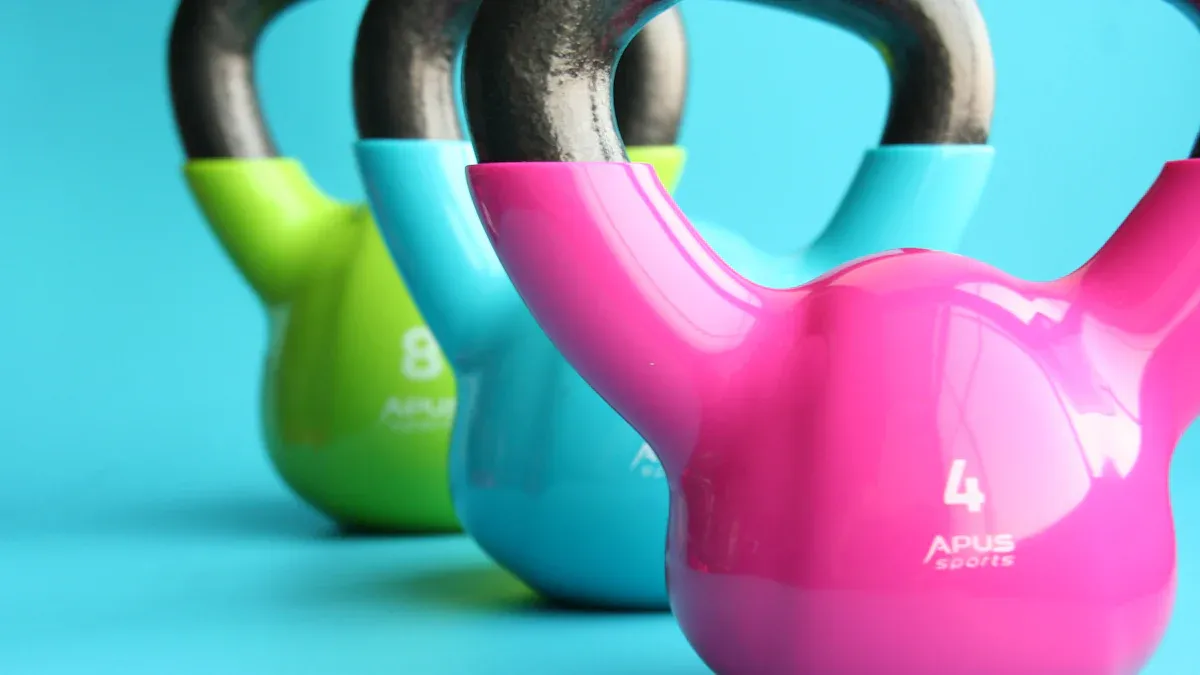
The right gym equipment helps you achieve better results and keep your workouts effective. When you choose equipment that matches your fitness goals, the entire process becomes more enjoyable. You also avoid injuries when using quality and suitable equipment.
Before purchasing, you should consider your training needs and budget. Also, think about how much space you have for the equipment and whether the equipment needs to be multifunctional. The right choice ensures long-term satisfaction and helps you stay motivated.
Key Points
- Think about what you want to achieve with your training. Different equipment helps achieve different goals.
- Consider how much money you can spend. Buy durable equipment that will last.
- Measure your workout space. Choose equipment that fits well. Compact equipment is better for small spaces.
- Check that the equipment is sturdy and of good quality. Good equipment is safe and lasts a long time.
- Buy equipment from a reliable source. Local stores and reputable online stores are a safe bet.
Key Considerations
Goals and Training Needs
Before choosing gym equipment, consider your fitness goals. Do you want to improve endurance, build muscle mass, or simply stay in shape? Each goal requires different equipment. For example, cardio machines are great for developing endurance, while strength training equipment helps build muscles.
Tip: If you are a beginner, choose multifunctional equipment that allows for versatile training. This helps you experiment with different exercises and find what suits you best.
Budget and Costs
Your budget determines what gym equipment you can afford. Quality equipment might be more expensive, but it lasts longer and provides a better user experience. Compare prices and look for special offers.
- Cheaper options: Used equipment or smaller training aids like dumbbells and resistance bands.
- More expensive options: New and professional equipment suitable for intensive use.
Note: Invest in equipment that meets your training needs and is long-term. Cheap equipment can wear out quickly and require frequent replacement.
Space and Layout
Space plays an important role in choosing gym equipment. Measure your workout area and plan how to arrange the equipment. Compact and multifunctional equipment is more suitable for smaller spaces.
| Space | Recommended equipment |
|---|---|
| Small | Exercise mats, dumbbells, resistance bands |
| Medium | Multifunctional machines, cardio machines |
| Large | Separate strength training and cardio machines |
Tip: Ensure that the equipment does not block walkways and is easily accessible. A well-organized space makes workouts more comfortable.
Quality and Durability
When choosing gym equipment, you need to pay special attention to quality and durability. These two characteristics determine how long the equipment will last and how comfortable it is to use. Quality equipment is not only an investment in your training but also in your safety.
Why is quality important?
Quality gym equipment is made of durable materials that can withstand intensive use. For example, equipment with steel frames provides stability and does not wear out quickly. When equipment is well-built, the risk of it breaking during a workout is reduced.
Tip: Before purchasing, check the connections and moving parts of the equipment. If they seem unstable, choose another model.
Durability and Longevity
Durable equipment saves money in the long run. If the equipment lasts for years, you won't have to replace it often. In addition, durable equipment is usually easier to maintain. For example, rust-resistant materials and quality padding extend the essential lifespan of the equipment.
-
How to assess durability?
- Read user reviews and look for feedback.
- Find out if the manufacturer offers a warranty.
- Check if spare parts are readily available.
Testing Quality and Durability
Before purchasing, try the equipment yourself. If possible, ask the seller if you can test the equipment. By trying it, you can understand if the equipment suits your training style and if it feels comfortable.
Note: If you buy equipment from an online store, make sure the seller has a return policy. This gives you the option to return the equipment if it does not meet expectations.
Quality and durability are among the most important factors when choosing gym equipment. If you make an informed choice, you can enjoy safe and effective training for years.
Types of Gym Equipment
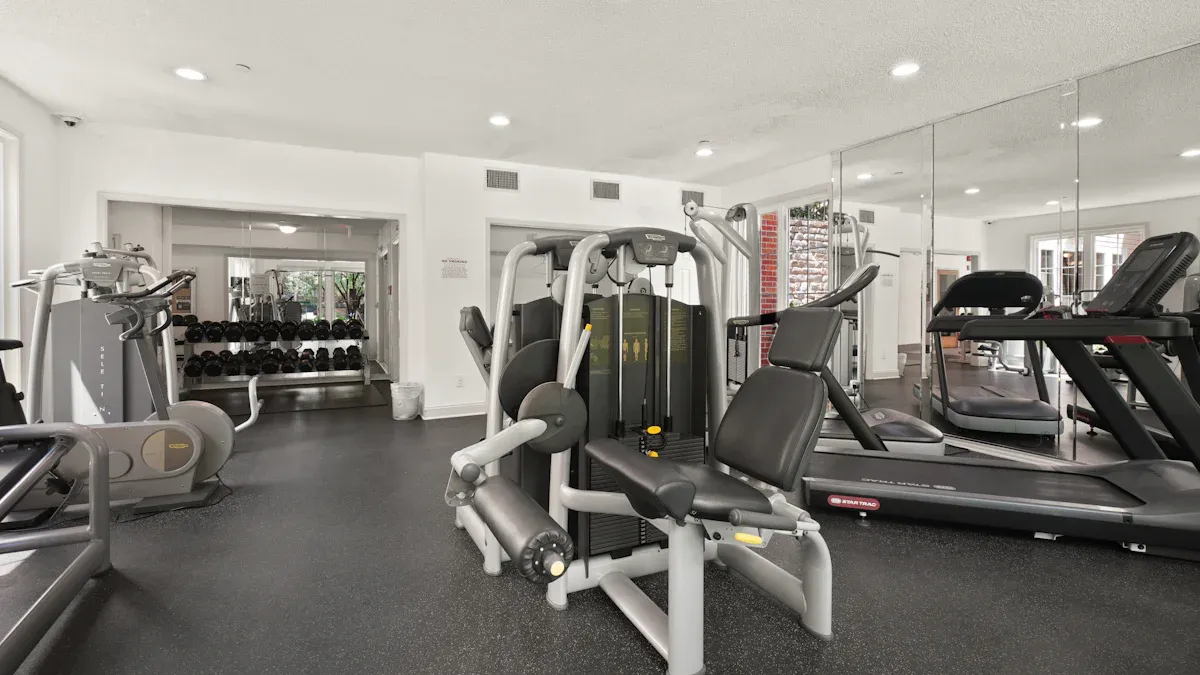
When choosing gym equipment, it is important to understand the different types of equipment and their uses. Here is an overview of the main categories to help you make informed choices.
Cardio Machines
Cardio machines are excellent tools for improving endurance and maintaining cardiovascular health. These devices help burn calories and improve overall physical fitness. The most popular cardio machines are:
- Treadmills: Suitable for running and walking. Many models offer different speed and incline options.
- Elliptical trainers: Less strenuous on joints and well-suited for beginners.
- Exercise bikes: Effective for training leg muscles and increasing endurance.
- Rowing machines: Provide a full-body workout and improve both strength and endurance.
Tip: If space is limited, choose a foldable cardio machine. This saves space and is easy to store.
Strength Training Equipment
Strength training equipment is designed to build muscles and increase strength. These devices are suitable for both beginners and advanced users. Common strength training equipment includes:
- Dumbbells and barbells: Versatile and suitable for various exercises.
- Weight benches: Used with barbells and dumbbells. They allow for bench presses and other exercises.
- Cable systems: Offer smooth movement and allow training various muscle groups.
- Weight machines: Specialized equipment that focuses on specific muscle groups, such as legs or back.
Note: If you are a beginner, start with simpler equipment, such as dumbbells. These help you learn proper technique and avoid injuries.
Multifunctional Equipment
Multifunctional equipment is an excellent choice if you want a versatile workout and have limited space. These devices combine several workout options in one machine. For example:
- Home gyms: Allow for both strength training and endurance exercises.
- Combined cardio machines: For example, elliptical trainers that also have handles for upper body training.
- Adjustable dumbbells: Allow changing weights as needed, saving space and money.
Tip: Multifunctional equipment is ideal for small home gyms. They offer versatile training without having to buy many different pieces of equipment.
Multifunctional equipment is practical and helps you achieve various fitness goals. They are well-suited for both beginners and experienced trainees.
Small Equipment
Small equipment is an essential part of any gym. These small yet versatile training tools help you add variety to your workouts and focus on specific muscle groups. Small equipment is ideal for both beginners and experienced trainees, as it is affordable, easy to use, and does not take up much space.
Common types of small equipment
Here are some of the most popular small equipment categories you might consider:
- Dumbbells: Very versatile and suitable for training various muscle groups. You can choose from different weights to match your fitness level.
- Resistance bands: Ideal for resistance training. They are lightweight, portable, and well-suited for working out at home or while traveling.
- Medicine balls: Suitable for developing explosive power and balance. They can be used in various exercises, such as throws and rotations.
- Plates and weighted vests: Added weights help increase workout intensity and develop strength.
- Exercise mats: Necessary for yoga, stretching, and floor exercises. They provide comfort and protection against slipping.
Tip: If you have a limited budget, start with resistance bands and dumbbells. They are affordable and offer many workout possibilities.
Advantages of small equipment
Small equipment offers several advantages that make it a valuable addition to your workout routine:
- Versatility: Allows for various exercises that develop strength, endurance, and flexibility.
- Compactness: Does not take up much space and is well-suited for small home gyms.
- Easy to use: Does not require complicated setup or instructions.
- Affordability: Compared to larger equipment, small equipment is often more economical.
How to choose the right small equipment?
When choosing small equipment, consider your training goals and needs. If you want to improve endurance, choose resistance bands or weighted vests. If your goal is to build muscle mass, invest in dumbbells and plates. Also, ensure the equipment is of good quality and durable.
Note: Before purchasing, check that the small equipment is ergonomic and comfortable to use. For example, dumbbells should have a firm grip to prevent slipping.
Small equipment is an essential part of gym equipment that helps you achieve diverse training goals. It is practical, affordable, and suitable for every trainee.
Where to Buy Gym Equipment?
Buying gym equipment can seem complicated, but choosing the right sales outlet makes it easier. Here are three main options to consider.
Local Stores
Local sports stores are a great place to buy gym equipment. Here you can see and try the equipment with your own eyes. Salespeople often provide useful advice to help you make more informed choices. In addition, you will immediately know if the equipment meets your expectations.
By buying from local stores, you also support your community. Many stores offer warranties and maintenance services, which make equipment care easier. If you value personal service and quick availability, choose a local store.
Tip: Ask the salesperson if they have any special offers or display models that can be purchased at a lower price.
Online Stores
Online stores offer a wide selection of gym equipment that you can buy conveniently from home. It's easy to compare different models and prices online. Many online stores also offer customer reviews, which help you decide which equipment best suits your needs.
When buying from an online store, be sure to check the delivery and return conditions. Some online stores offer free shipping, which can be a big advantage. Also, check if the seller has a reliable reputation and if they offer a warranty.
Note: If you are buying from an online store, make sure the dimensions of the equipment fit your training space.
Used Equipment
Used gym equipment is an affordable alternative to new equipment. Many people sell lightly used equipment that is still in good condition. You can find used equipment on classified ad portals, social media, and even from sports clubs that are updating their equipment.
Before purchasing, check the condition of the equipment. Make sure all parts are working properly and the equipment is safe to use. If possible, try the equipment before buying. Buying used equipment helps save money and is an environmentally friendly choice.
Tip: Ask the seller if the equipment still has its original documents, such as the user manual and warranty card.
Maintenance and Warranty
Regular Maintenance
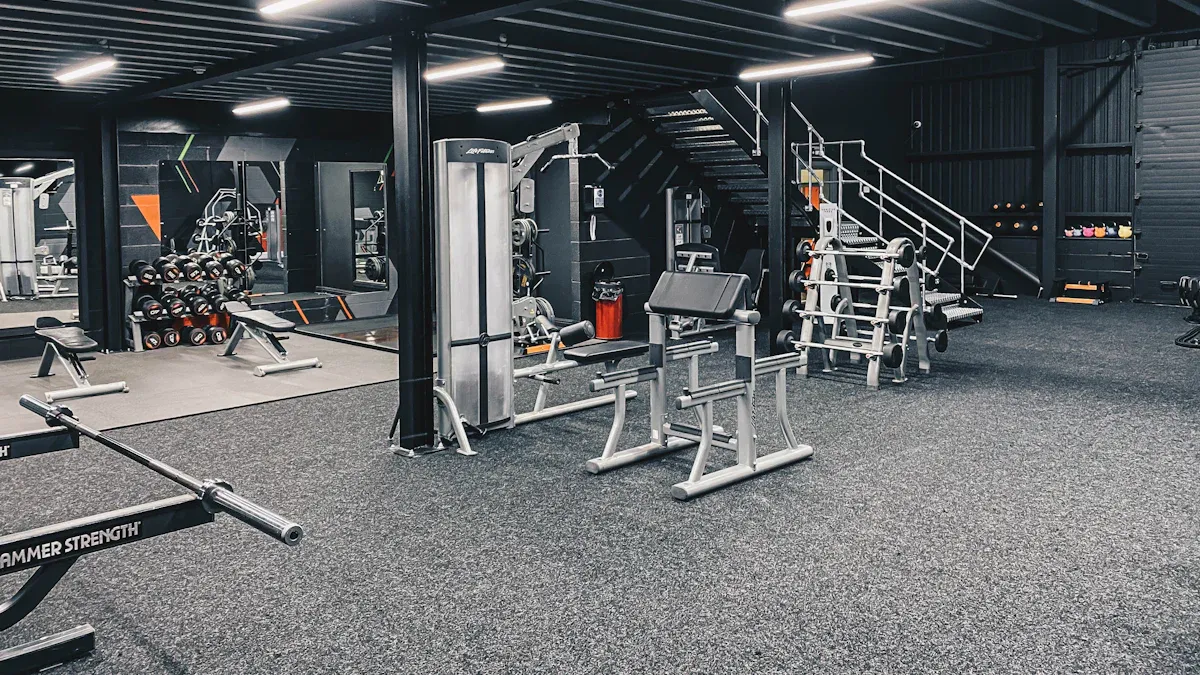
The longevity of gym equipment largely depends on its regular maintenance. If you maintain the equipment correctly, the risk of malfunctions decreases, and the equipment operates smoothly. Start with simple steps that don't require much time or skill.
- Clean equipment regularly: After each workout, wipe the equipment with a dry or slightly damp cloth. Remove sweat and dust to prevent corrosion and dirt buildup.
- Check moving parts: Inspect all bolts and screws to ensure they are securely fastened. If you notice any looseness, tighten them immediately.
- Lubricate mechanisms: Use special lubricants to keep moving parts smooth. This reduces wear and extends the life of the equipment.
- Inspect electrical parts: If you are using cardio machines, check the wires and plugs. Make sure they are not damaged.
Tip: Create a maintenance schedule. Mark when to clean and maintain the equipment. This helps you perform maintenance tasks consistently.
Warranty and Spare Parts
A warranty is an important part of purchasing gym equipment. It gives you assurance that the manufacturer is responsible for potential defects. Before purchasing, find out what warranty comes with the equipment and what it covers.
- Warranty duration: Check how long the warranty is valid. A longer warranty indicates that the manufacturer trusts their product.
- Coverage: Find out if the warranty covers both mechanical and electrical parts. Some warranties only cover certain parts, such as motors or frames.
- Availability of spare parts: Make sure that spare parts for the equipment are easy to find. If spare parts are available, you can quickly repair the equipment if needed.
Note: Keep your purchase receipt and warranty documents. These are necessary if you need to use the warranty.
Maintenance and warranty ensure that your gym equipment stays in good condition. If you take care of the equipment and use the warranty correctly, you can enjoy worry-free training for years.
Choosing gym equipment requires a thoughtful approach. Start by evaluating your training goals and space requirements. Invest in quality equipment that is durable and safe. Always check the warranty and maintenance options.
Tip: Make a list of your priorities and compare different options. This will help you make an informed and satisfying purchase decision.
The right gym equipment makes workouts effective and motivating. It's an investment in your health and well-being.
FAQ
Is gym equipment suitable for beginners?
Yes, many pieces of equipment are also designed for beginners. Start with simpler tools, such as dumbbells and resistance bands. Multifunctional equipment is also a good choice, as it offers versatile training options.
Tip: Read the equipment's user manual and start with lighter weights to avoid injuries.
How much space is needed for a home gym?
For a home gym, 5–10 square meters is often sufficient. In smaller spaces, use compact and foldable equipment. Plan the layout carefully so that the equipment does not obstruct movement.
Note: Measure the space before purchasing and choose equipment that fits.
Is used gym equipment reliable?
Used equipment can be a good choice if it is in good condition. Check the equipment's functionality and signs of wear. Ask the seller for the equipment's history and, if possible, try it before purchasing.
Tip: Look for equipment from reliable sources, such as sports clubs or specialized retailers.
How to maintain gym equipment?
Clean the equipment regularly and lubricate moving parts. Check bolts and screws to ensure they are securely fastened. For electrical equipment, inspect the wires and plugs.
Tip: Create a maintenance schedule to keep the equipment in good condition.
Is warranty important when buying gym equipment?
Yes, a warranty provides assurance that the manufacturer is responsible for defects. A longer warranty indicates the quality of the equipment. Check whether the warranty covers all essential parts and if spare parts are readily available.
Note: Keep your purchase receipt and warranty documents to use the warranty if needed.