If you're wondering which sport is right for your child, check out these five:
-
Swimming helps develop the whole body and teaches essential life skills.
-
Tennis improves coordination and develops strategic thinking.
-
Athletics or running builds endurance and creates a good exercise habit.
-
Basketball teaches teamwork and communication.
-
Martial arts provide discipline and self-confidence.
Experts and studies confirm that these sports support the principles of Children's Sports Choice and Safety and are safe when guidelines are followed.
Key Points
-
Swimming develops the whole body, improves coordination, and is a very safe sport for children of all ages.
-
Tennis strengthens hand-eye coordination, develops strategic thinking, and builds self-confidence.
-
Athletics improves endurance, motor skills, and helps a child learn to control their body better.
-
Basketball teaches teamwork, communication, and improves coordination and reaction speed.
-
Martial arts develop discipline, balance, and self-confidence, and are well-suited for children who need strong routines.
-
For any sport, proper equipment, a competent coach, and adequate supervision are crucial to minimize the risk of injury.
-
A child's sports choice should be based on their interests, personality, and age, allowing them to try different activities.
-
Safety starts with parental care, support, and open communication with the child and coaches.
Swimming
Benefits
Physical development
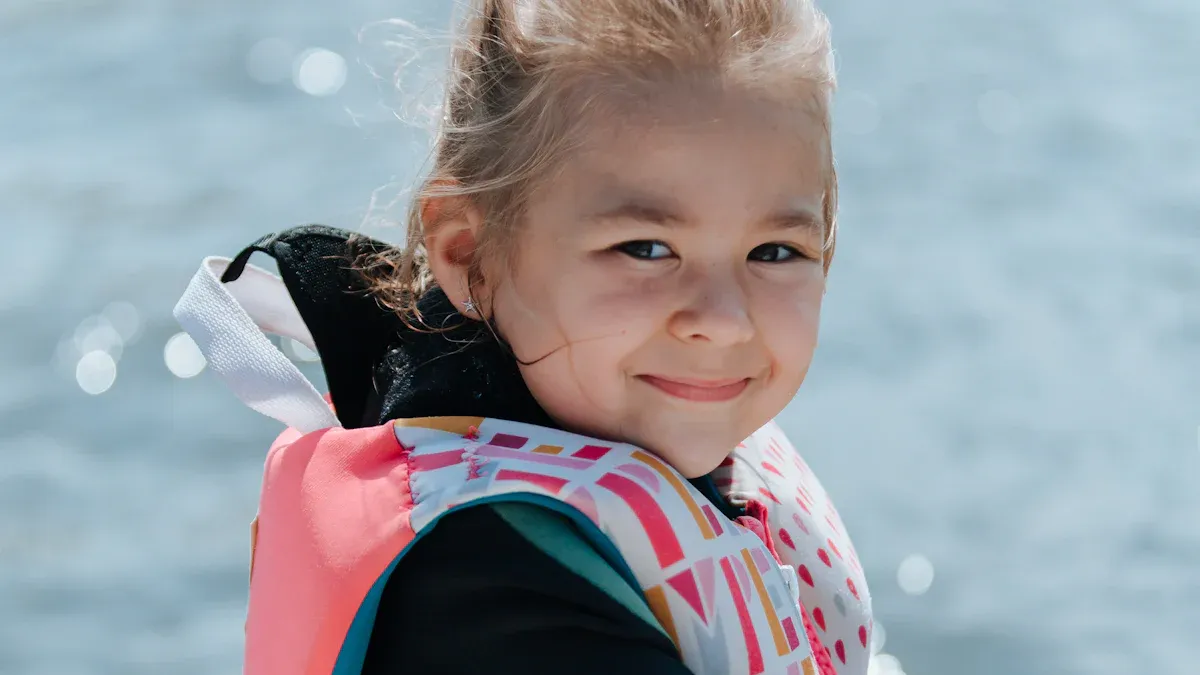
By choosing swimming for your child, you're giving them the opportunity to develop their entire body. Swimming trains the arms, legs, and core muscles. You'll notice how your child becomes stronger and more flexible. Swimming improves cardiovascular health and builds endurance. It's one of the few sports that also develops body awareness and coordination. The child learns to feel their body better and control movements more precisely. In addition, swimming skills are vital – they can save lives.
Did you know? Swimming is suitable for children of all ages because moving in water doesn't strain joints. This means the risk of injury is lower than in many other sports.
Mental benefits
Swimming doesn't just develop the body; it also supports mental well-being. Moving in water calms and helps focus. The child learns discipline, as training requires following instructions and practicing regularly. Swimming helps reduce stress and improves mood. As the child learns new swimming styles or achieves goals, their self-confidence grows. They can experience both success and failure in a safe environment, teaching balance and patience.
-
Swimming improves concentration.
-
The calming effect of water helps relax.
-
The child learns to cope better in stressful situations.
Social advantages
Swimming is not just an individual activity. New friendships form during training sessions and in swimming schools. The child learns to communicate, consider others, and cooperate. Playful exercises in the water develop social skills. Swimming offers the opportunity to belong to a team and experience shared joy in achievements.
|
Type of Benefit |
Description |
|---|---|
|
Physical |
Swimming is a full-body workout that improves cardiovascular health, muscle strength, endurance, and flexibility. Swimming is also an essential survival skill in aquatic environments. |
|
Mental |
Swimming develops concentration and mental discipline. The calming effect of water and rhythmic movement help reduce stress and improve mental well-being. |
|
Social |
Swimming supports teamwork and the development of communication skills, which are important for life. In addition, sport helps improve academic performance, self-confidence, and social skills. |
Safety
Risk of injury
Swimming is one of the safest sports. Moving in water does not strain joints or cause concussions. The risk of injury is low, especially if the child follows the coach's instructions. Most injuries that occur are minor, such as muscle strains or cramps, but these are rare. You can be confident that swimming is suitable even for children who have previously had joint or muscle problems.
Supervision
Safety always begins with proper supervision. Swimming lessons are usually conducted under the guidance of a qualified coach. The coach ensures that all children are safe in the water and follow the rules. As a parent, you can also be sure that your child is being looked after. Many swimming pools also have lifeguards who provide additional safety. I always recommend choosing a swimming school or training group that focuses on both skill development and safety.
Tip: Always talk to your child about water rules and make sure they feel confident in the water. Together, you can make swimming a fun and safe experience!
Tennis
Benefits
Coordination
If you're looking for a sport that develops your child's hand-eye coordination, tennis is an excellent choice. You'll notice how the child quickly learns to react and hit accurately. The ball flies fast, so the child must track its movement and position their body correctly at the same time. This develops not only the cooperation between hands and eyes but also footwork and balance.
Tennis helps the child think ahead. They have to decide where to hit the ball and how to respond to the opponent. This develops strategic thinking. If the child plays doubles, they also learn to communicate and cooperate. You'll see how the child becomes more skillful with each training session.
Tip: If a child starts playing tennis at a young age, their coordination will develop faster than those who start later.
Self-confidence
Tennis gives a child the opportunity to experience both wins and losses. Every point the child earns on their own boosts their self-confidence. When a child learns a new stroke or wins a game, they feel proud of themselves. This feeling carries over into other areas of life.
Independence is important in tennis. The child has to make their own decisions and be responsible for their game. This teaches them to trust themselves. When a child receives recognition from the coach or peers, their motivation grows even more.
-
Tennis develops self-expression.
-
The child learns to cope with stressful situations.
-
Every small step forward builds courage.
Safety
Risk of injury
Tennis is one of the safest sports for children. You don't have to worry about serious injuries, as there is no contact with other players. Most injuries are minor, such as muscle strains or blisters on the hands. If the child uses proper equipment and warms up before playing, the risk of injury is further reduced.
|
Type of Injury |
Frequency |
Prevention |
|---|---|---|
|
Muscle strain |
Rare |
Warm-up, stretches |
|
Blisters |
Moderate |
Proper tennis shoes and racket grip |
|
Falls |
Very rare |
Safe court, attentiveness |
Note: If your child experiences pain or discomfort, give them a rest and consult a coach if necessary.
Age suitability
Tennis is suitable for children of all ages. You can start as early as 4-5 years old, using smaller rackets and softer balls. Training for younger children is playful and fun. Older children can try more serious training and competitions.
The great thing about tennis is that the child can develop at their own pace. If the child has more experience, they can try more complex strokes and tactics. You'll see how the child develops both physically and mentally.
-
Tennis is suitable for both boys and girls.
-
You can choose individual or doubles play.
-
The child can choose whether they want to play as a hobby or compete.
In summary, tennis gives your child the opportunity to grow into a strong, confident, and skilled young person. You support their development and ensure a safe sports experience!
Athletics
Benefits
Endurance
If you want your child to be energetic and cope well with daily activities, then athletics is a great choice. Athletics includes various disciplines such as running, jumping, and throwing. These activities help children develop cardiovascular endurance. If your child trains regularly, you'll notice how their performance improves. They'll be able to run longer, move faster, and tire less easily.
Running is particularly good because it strengthens the heart and lungs. When a child practices different distances, they learn to use their energy reserves more effectively. Longer runs develop patience and determination. Short sprints add speed and explosiveness. Athletics helps children understand how to control their body better and exert themselves at the right moment.
Have you noticed how your child is happier and calmer after a running workout? Physical activity also helps them sleep better and focus.
Motor skills
Athletics develops motor skills in a very diverse way. When a child practices running, long jump, or ball throwing, their coordination and balance improve. They learn how to move their body precisely and smoothly. Each discipline requires different skills – for example, hurdle running develops quick reactions, long jump teaches the combination of strength and technique.
Here are some skills a child develops in athletics:
-
Balance and body posture control
-
Speed and reaction time
-
Precision in movements
-
Strength and flexibility
When a child tries different disciplines, they will surely find something they enjoy. Athletics is suitable for both boys and girls and offers the opportunity to discover their strengths.
Safety
Risk of injury
In athletics, the risk of injury is generally low, especially if the child follows the coach's instructions and warms up properly. Most injuries that occur are minor, such as muscle strains or abrasions. Major traumas are rare. If the child uses proper equipment and pays attention to their body, they will remain healthy and happy.
|
Type of Injury |
Frequency |
Prevention Recommendation |
|---|---|---|
|
Muscle strain |
Moderate |
Warm-up, stretches |
|
Abrasion |
Rare |
Proper clothing, caution |
|
Sprain |
Very rare |
Correct technique, supervision |
Note: If your child feels pain or fatigue, give them a rest. Don't force them to overexert themselves.
Supervision
Good supervision is very important in athletics. The coach ensures that the child learns the correct techniques and moves safely. In some disciplines, such as high jump or hurdle running, the child needs particularly careful guidance. When a child trains with a group, they also learn to consider others and follow rules.
I recommend you always choose a training group where the coach pays attention to each child's development. If a child feels safe and supported, it's easier for them to acquire new skills and enjoy the sport.
Tip: Talk to your child about how they feel during training. Support them and praise their small achievements. This will boost their motivation and joy in movement!
Basketball
Benefits
Teamwork
By choosing basketball, you give your child the opportunity to learn true teamwork. In basketball, no one can win alone. Every player must consider others, share the ball, and support teammates. You'll notice how your child learns to listen, communicate, and trust their team. This skill will be useful in school and later in their career.
New friendships form quickly in basketball. During practices and games, children share joy and sometimes disappointment. They learn how to resolve conflicts and support each other. When a child is part of a team, their self-confidence and sense of belonging grow.
Have you noticed how your child excitedly talks about their team after basketball practice? This shows that they feel good in the group and enjoy working together.
Coordination
Basketball is excellent for developing coordination. In the game, the child has to run, jump, dribble the ball, and shoot. All these activities require good body control. You'll see how the child's movements become more precise and fluid.
Dribbling and passing improve hand-eye coordination. Quick changes of direction and jumps develop balance. When a child practices shooting, they learn to focus and use their strength correctly.
-
Basketball improves reaction time.
-
The child learns to make quick decisions.
-
The game develops both fine motor skills and overall body awareness.
Safety
Risk of injury
In basketball, the risk of injury is moderate. Falls or collisions can happen during the game. The most common injuries are sprains, knee or ankle injuries. You can reduce the risk if your child warms up and stretches properly before practice.
|
Type of Injury |
Frequency |
Prevention Recommendation |
|---|---|---|
|
Ankle sprain |
Moderate |
Warm-up, proper footwear |
|
Knee injury |
Rare |
Strengthening exercises |
|
Scrapes, bruises |
Frequent |
Protective gear, caution |
Tip: If your child feels pain or you notice swelling, let them rest and consult a doctor if necessary.
Equipment
The right equipment helps play basketball more safely. The child needs comfortable sportswear and special basketball shoes that support the ankle. In some cases, knee pads or elbow pads are also used, especially for younger children.
-
Choose shoes that fit the child's foot and provide good grip.
-
Make sure the ball is the correct size and weight for the child's age.
-
Training should take place in a safe hall or court where there are no slippery surfaces or obstacles.
If you take care of the equipment and follow safety rules, you can be sure that basketball will bring joy and safe development to your child. Let your child enjoy the game and support their athletic journey! 🏀
Martial Arts
Benefits
Discipline
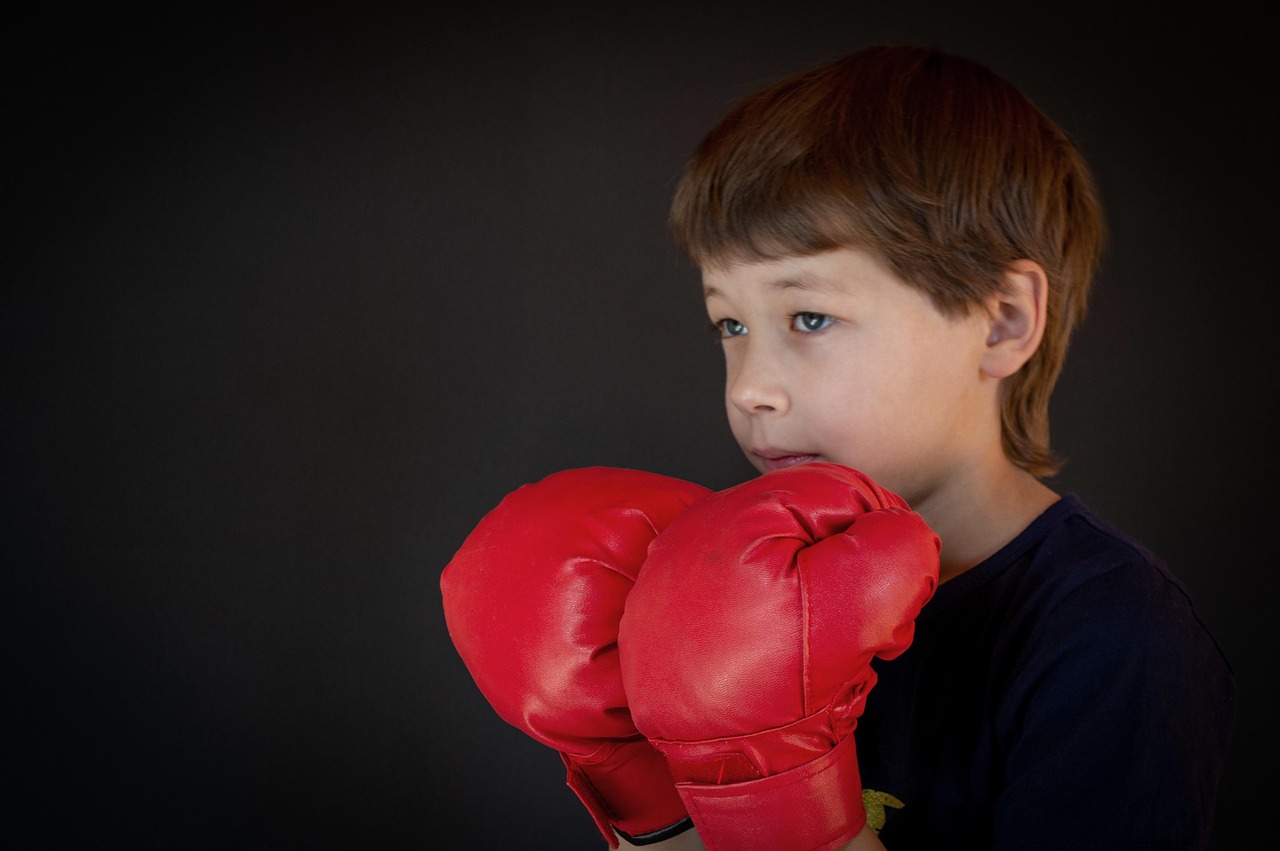
When you choose martial arts for your child, you give them more than just physical training. You will see your child learn discipline in every training session. The coach sets clear rules and expectations. The child must follow them, whether it's politeness, punctuality, or concentration. Martial arts teach respect for oneself and others. As the child practices regularly, they become more consistent and responsible.
Have you noticed that your child has difficulty concentrating or lacks routine? Martial arts help create a stable daily schedule and develop self-control.
Discipline carries over into other areas of life. The child learns that to achieve success, they must put in effort and practice. They understand that every step counts. This skill will help them cope better in school and daily life later on.
Balance
Martial arts are excellent for developing balance and body awareness. When a child learns different strikes, stances, and movements, they must control their body precisely. You will notice their coordination and flexibility improve. Each training session develops muscles that support good posture and stability.
-
The child learns to react quickly.
-
They are better able to maintain balance in other sports as well.
-
Flexibility increases, which helps prevent injuries.
Martial arts are also suitable for children who feel clumsy or insecure. You will see their self-confidence grow with each new skill acquired.
Safety
Risk of injury
When it comes to martial arts, you might immediately think of injuries. In reality, the risk is smaller than you might imagine. Training takes place in a controlled environment, and the coach constantly supervises the children's activities. Mostly, minor bruises or scrapes occur, but serious injuries are rare.
|
Type of Injury |
Frequency |
Prevention |
|---|---|---|
|
Bruises |
Moderate |
Protective gear, proper technique |
|
Scrapes |
Moderate |
Clean training area, caution |
|
Sprains |
Rare |
Warm-up, stretches |
Dress your child in appropriate protective gear and make sure they follow the coach's instructions. This way, they will stay safe.
Coach's role
A good coach is the most important thing in martial arts. You should always check whether the coach has the relevant qualifications and experience in guiding children. The coach teaches proper technique, monitors safety, and supports the child's development. They create a safe and supportive atmosphere where the child can learn confidently.
-
A qualified coach can spot fatigue or overexertion.
-
They teach children how to avoid and resolve conflicts peacefully.
-
The coach provides feedback that helps the child develop and build self-confidence.
Recommendation: Talk to the coach before starting training. Ask how they ensure safety and what their principles are for guiding children.
When you choose martial arts for your child, you can be sure that they will develop both physically and mentally. You support their self-confidence, discipline, and safety every step of the way. 🥋
Comparison
Pros
Here's a quick overview of the main benefits of each sport. Check out the table to find what might suit your child best:
|
Sport |
Physical Benefits |
Mental/Social Benefits |
Suitability for Age/Temperament |
|---|---|---|---|
|
Swimming |
Full-body development, endurance, joint-friendly |
Concentration, calmness, teamwork |
|
|
Tennis |
Coordination, speed, flexibility |
Self-confidence, strategy, independence |
Suitable from age 4, suits both introverts and extroverts |
|
Athletics |
Endurance, speed, motor skills |
Patience, determination, teamwork |
Suitable for active and energetic children, from age 5 |
|
Basketball |
Strength, speed, coordination |
Teamwork, communication skills, sense of belonging |
Suitable for social and collaborative children, from age 6 |
|
Martial Arts |
Strength, flexibility, balance |
Discipline, self-confidence, respect |
Suitable for children who need self-confidence or discipline, from age 5 |
If your child loves water and enjoys a calm environment, swimming is an excellent choice. Tennis is great for those who want to develop independence and quick thinking. Athletics offers a lot of variety and is well-suited for energetic children. Basketball is ideal if your child enjoys teamwork and communication. Martial arts help build self-confidence and discipline.
Risks
Every sport also carries some risks. It's important to be aware of them so you can better support and protect your child.
|
Sport |
Main Risks |
How to Reduce Risks |
|---|---|---|
|
Swimming |
Drowning risk, muscle tension |
Supervision, development of swimming skills |
|
Tennis |
Muscle tension, blisters, falls |
Proper equipment, warm-up |
|
Athletics |
Muscle tension, scrapes, sprains |
Proper technique, rest, supervision |
|
Basketball |
Ankle sprain, knee injury, scrapes |
Warm-up, sturdy shoes, protective gear |
|
Martial Arts |
Bruises, scrapes, sprains |
Protective gear, qualified coach |
-
For swimming, always ensure your child is supervised by an adult in the water.
-
In tennis and athletics, proper technique and equipment help prevent injuries.
-
In basketball, good shoes and a warm-up are important.
-
For martial arts, always choose an experienced coach and use protective gear.
Every child is different. Some enjoy calm individual sports, while others need a team and social interaction. Consider your child's personality and interests. Feel free to try different activities – that way, you'll find what makes your child's eyes light up! 🏅
E-sports
Benefits
If you're wondering if e-sports might be a good choice for your child, it's worth knowing that digital sports also offer several benefits. E-sports aren't just about playing computer games. It's an organized and structured activity where children can develop important skills.
-
Hand-eye coordination
E-sports greatly develop hand-eye coordination. When a child plays fast-paced games, they must react lightning fast. Their brain and hands work together to achieve the best result. This skill is also useful in other areas of life. -
Strategic thinking
Many e-sports games require clever planning. The child must think several steps ahead, analyze the situation, and make quick decisions. Strategic thinking develops with every game. -
Teamwork and communication skills
E-sports are not just an individual activity. Many games are played in teams. The child learns to communicate, share information, and collaborate. They understand the importance of trusting others and supporting their team.
Did you know? E-sports teams often have a very strong sense of camaraderie. Children make new friends from all over the world and learn about different cultures.
-
Problem-solving skills
Unexpected situations arise in games. The child must quickly find solutions and adapt to changing conditions. This develops creativity and flexibility. -
Self-confidence and self-expression
When a child succeeds, their self-confidence grows. They can share their achievements with others, participate in tournaments, and perform publicly. This gives them courage even outside the screen.
|
E-sports Benefit |
How it develops the child? |
|---|---|
|
Coordination |
Fast reactions, precise movement |
|
Strategic thinking |
Ability to plan and analyze |
|
Teamwork |
Communication, cooperation, trust |
|
Problem-solving |
Creativity, quick adaptation |
|
Self-confidence |
Courage, self-expression |
-
Accessibility and inclusion
E-sports are accessible to almost every child. It doesn't matter whether the child is physically active or not. Even children with disabilities can participate and enjoy the competition.
Tip: If you want your child to develop other skills through e-sports, make sure they participate in tournaments, interact with the team, and learn new strategies.
E-sports can be a good complement to traditional sports. You can help your child find a balance between screen time and physical activity. If you support their interest, they will learn to play responsibly and develop skills that are useful throughout life. 🎮
Children's Sports Choice and Safety
Choice
If you want to find a suitable sport for your child, first consider their age, interests, and temperament. Every child is different. Some prefer calm activities, while others want to be part of a team. You can ask your child what they truly enjoy. Do they love water, want to run, or perhaps try something new like martial arts? Children's sports choice and safety begins with listening to your child and respecting their wishes.
You can try several different activities. If the child feels good, they will want to go to practice themselves. Pay attention to how they react to new experiences. Sometimes it also helps if the child can go to practice with a friend. You don't have to decide immediately what's best. Give your child time and opportunities to experiment.
Here are some questions to help you make a better choice:
-
Does the child prefer individual or team sports?
-
Do they need more movement or rather calm activity?
-
Do they have any health issues that should be considered?
-
Are the training sessions held in a convenient location and at a suitable time?
Tip: Talk to the coach and ask how they support the principles of children's sports choice and safety. A good coach can recommend a suitable activity and consider each child's individual needs.
Safety
Safety is the most important aspect of any sport. You can ensure this in several ways. The first step is correct equipment. Make sure your child has comfortable clothes and shoes suitable for the chosen sport. Protective gear, such as knee pads or a swimming cap, helps prevent injuries.
The coach's competence plays a large role. Find out if the coach has experience in guiding children. A qualified coach can notice if a child needs help or rest. They ensure that all children feel safe and can develop at their own pace.
Supervision is also important. You can attend practices yourself or inquire if there are enough adults supervising the children during training. Children's sports choice and safety also depend on the support of family and community. If a child feels that parents and coaches care, they will be more willing to try and develop.
Preventing abuse is a topic that should never be forgotten. You can teach your child to speak up immediately if they feel uncomfortable or if someone behaves inappropriately. Pay attention to how your child talks about practices and if they are happy. If you notice changes in behavior, don't hesitate to ask what's happening. Children's sports choice and safety also means advocating for your child and seeking help if necessary.
|
Safety Aspect |
What can you do? |
|---|---|
|
Equipment |
Check that everything is in order |
|
Coach's competence |
Ask about the coach's experience |
|
Supervision |
Be present yourself or find out who is supervising |
|
Role of family and community |
Support and listen to your child |
|
Abuse prevention |
Teach your child to speak up and notice changes |
Remember: Your child's sports choice and safety start with you. If you care and support, your child can develop safely and enjoy sports.
If you choose one of these five sports for your child, you support their holistic development and give them a safe start to an active life. Experts confirm that these areas are good choices. Listen to your child, observe their interests and character. Your child's sports choice and safety begin with your care. Support, encourage, and be a role model yourself – that way, your child will grow up happy and confident! 🏆
FAQ
When can a child start sports?
You can let your child try sports as early as 3–4 years old. It's important that the activity is playful and joyful. Watch how your child reacts and let them set their own pace.
How often should a child train?
I recommend 2–3 times a week. Children also need rest and free time. Make sure training doesn't become a chore, but is fun.
How to find a suitable sport for a child?
Talk to your child about their interests. Try different activities. See what your child enjoys. A good coach can also help make the right choice.
Is sport suitable for every child?
Yes, every child can find a suitable way to move. Some prefer team sports, others individual sports. Even children with motor disabilities can participate in sports.
What to do if a child doesn't want to go to practice?
Listen to your child. Find out why they lack motivation. Maybe they need a change or a break. Support and encourage, don't force.
How to ensure a child's safety in training?
Make sure the coach is competent and the equipment is in order. Ensure the child feels safe. Talk to your child about how they feel during training.
Is e-sport as beneficial as traditional sport?
E-sport develops coordination and strategic thinking. It does not replace physical activity. I recommend finding a balance between screen time and physical activity. 👾
How to notice if a child is experiencing abuse in sports?
Pay attention if the child becomes quiet or no longer wants to go to practice. Talk to them openly. Teach them that they can always tell you if something is bothering them.