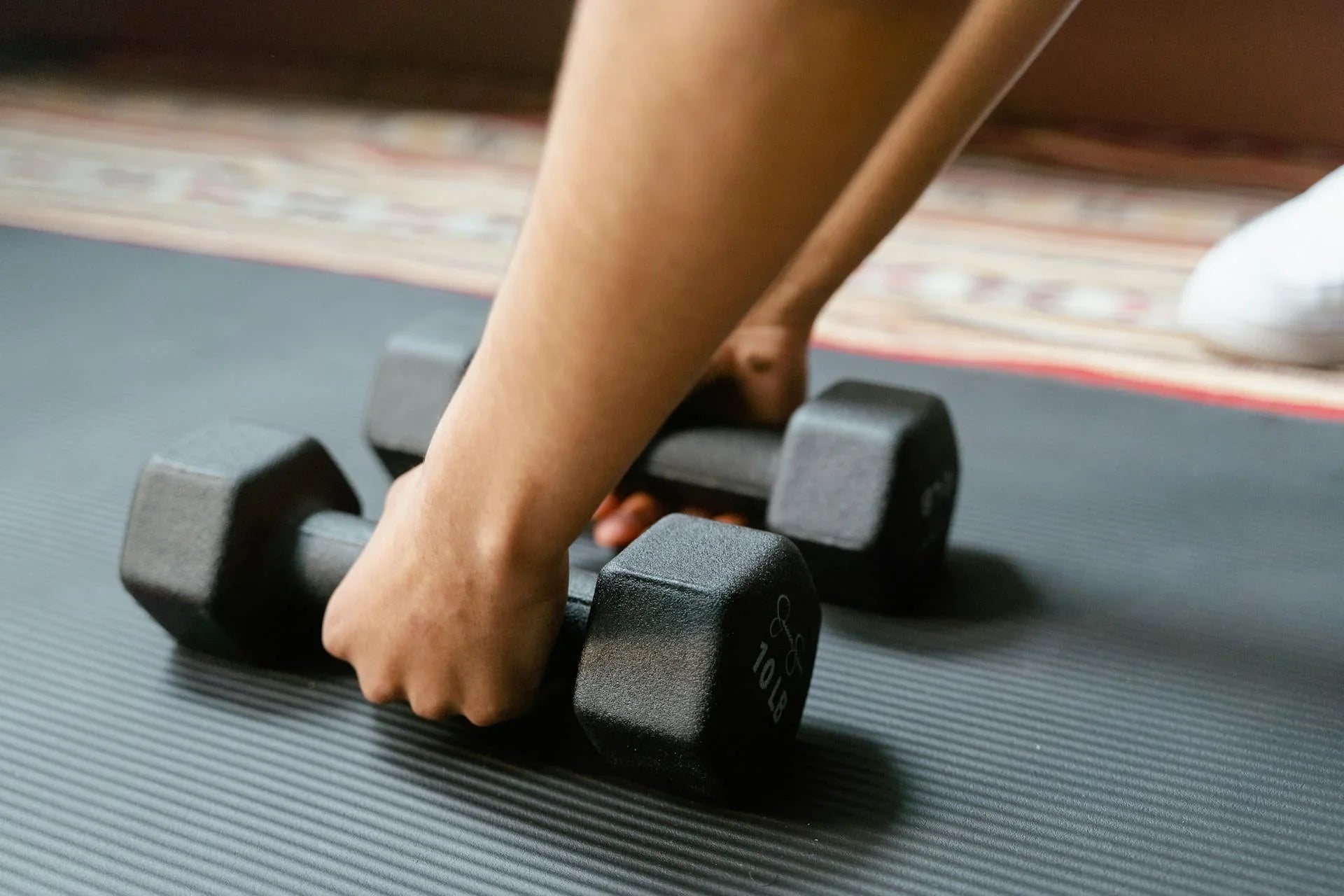
Gym equipment is the heart of any fitness club and undoubtedly one of the largest investments you will make. These are the tools that help your clients achieve their goals, and at the same time, they are also the silent business cards of your establishment. A rusty barbell, frayed cable, or squeaky treadmill does not leave a good impression. Unmaintained equipment not only leads to unexpected and costly repairs but also poses a potential risk to clients and negatively impacts the club's reputation, driving members away.
To keep your equipment sparkling, safe, and functional, proactive maintenance is key. This is a systematic approach that is simpler than you might think and mainly consists of regular cleaning, inspection, and simple maintenance tasks. Think of it as regular car maintenance – it's an investment that ensures longevity and reliability.

Daily Cleaning Routine is the Foundation
The most basic, yet most important, step is daily cleaning. Sweat, which contains salts and acids, is the greatest enemy of metal, causing corrosion over time. In addition, dust and dirt can get into the moving parts of machines, such as bearings and chains, increasing friction and wear. As emphasized in a comprehensive maintenance guide, regular cleaning is the best and easiest way to extend the life of equipment.
Best cleaning practices:
-
Establish a rule: Every piece of equipment must be wiped down with a disinfectant after use. Provide the gym with enough spray bottles and cloths.
-
End-of-day walkthrough: Perform a thorough cleaning at the end of the day, removing dust and dirt from equipment. Pay special attention to handles, seats, and consoles.
-
Right tools: Make sure you use cleaning products designed for gym equipment. Harsh chemicals can damage upholstery, paint, and electronic components.
Proactive Maintenance: Spot Problems Before They Arise
In addition to daily cleaning, regular visual and functional inspection of equipment is critically important. This helps to identify small problems before they become big and costly headaches. Proactive maintenance is an investment in the longevity of the equipment and, even more importantly, in the safety of your clients.
During weekly inspections, pay attention to the following:
-
Cables and belts: Look for signs of wear, such as fraying, cracks, or discoloration. A damaged cable can break unexpectedly.
-
Bolts and nuts: Check that all connections are tight. Due to intensive use, they may loosen over time due to vibration.
-
Upholstery: Inspect seats and backrests for tears or cracks. Damaged upholstery is unpleasant, unhygienic, and can spoil the overall impression.
-
Unusual sounds: Listen for squeaking, rattling, or other strange noises when machines are in use. This is often the first sign of an impending problem that requires lubrication or adjustment.
-
Moving parts: Ensure that adjustable parts (e.g., seat height) move smoothly and lock securely.

Create a Systematic Maintenance Schedule and Keep a Log
The most effective way to ensure consistent maintenance is to create a clear maintenance schedule and keep a logbook. This ensures that no task is forgotten and you always have an overview of the work done. A structured cleaning and maintenance plan helps to divide tasks by day, week, and month.
-
Daily: Disinfecting equipment, cleaning floors, removing debris.
-
Weekly: More thorough cleaning of equipment, visual inspection of upholstery and cables, tightening bolts and nuts.
-
Monthly: Lubricate moving parts (chains, bearings) according to manufacturer's recommendations. Check treadmill tension and alignment.
-
Quarterly/Semi-annually: Consider calling a professional technician to perform a more thorough inspection and maintenance, especially for more complex cardio and strength machines.
Which Equipment Needs the Most Attention?
While all equipment needs care, some machines are inherently more prone to breakdowns and wear. Paying extra attention to these "high-risk" pieces of equipment is a smart strategy. High-use cardio machines are usually at the forefront. Treadmills, with their motors, moving belts, and complex electronics, are under constant load. Belt tension, lubrication levels, and motor cleanliness are critical components that need to be checked regularly. Strength machines with pulley systems are also at high risk. Their cables and pulleys are in constant friction, leading to natural wear. A frayed cable is a clear danger sign and needs immediate replacement. Adjustable benches and machines with many moving parts and locking mechanisms can also wear out faster due to intensive use. By knowing the weaker links in your equipment fleet, you can direct your maintenance activities to where they are most needed.
Summary
A regular and well-thought-out maintenance plan is the best insurance for your gym's greatest asset. It not only saves money on repair and replacement costs in the long run but also ensures a safe and enjoyable workout experience for your clients, keeping them coming back. However, when the time comes to replace old equipment or upgrade your machinery, you can find high-quality and durable equipment in our selection, which offers professional solutions for every fitness club. Take care of your equipment, and it will take care of your business.
FAQ
1. How often should I lubricate the moving parts of the equipment?
This depends on the specific equipment and its intensity of use. The best rule of thumb is to follow the manufacturer's instructions. Generally, high-load machines, such as trainers and pulley systems, require lubrication at least once a month.
2. Can I use regular household cleaning products?
It is advisable to avoid this. Many household cleaning products contain ammonia or bleach, which can damage upholstery, rubber parts, and metal surfaces. Use neutral cleaning products specifically designed for gym equipment or approved by the manufacturer.
3. What should I do if I discover a serious defect on a piece of equipment, such as a frayed cable?
In such a case, the equipment must be immediately removed from service. Place a clearly visible "DO NOT USE" sign on the machine and contact a maintenance technician or order a replacement part as soon as possible. Safety is always paramount.
4. Does regular maintenance affect the equipment warranty?
Yes, and positively so. Most manufacturers expect equipment to be maintained according to their instructions. Neglecting maintenance can void the warranty. Keeping a maintenance log is a good way to prove that you have fulfilled your obligations.
References
-
True Fitness. (n.d.). 7 Tips for Maintaining Your Health Club Equipment. Available at: https://truefitness.com/7-tips-for-maintaining-your-health-club-equipment/
-
True Fitness. (n.d.). How To Keep Your Commercial Gym Equipment Clean and Functional. Available at: https://truefitness.com/how-to-keep-your-commercial-gym-equipment-clean-and-functional/
-
WOD GURU. (n.d.). The Ultimate Gym Cleaning Checklist for a Spotless Box. Available at: https://wod.guru/blog/gym-cleaning-checklist/