


Have you wondered if winter swimming or cold water baths boost immunity? Yes, scientists have found that cold water therapy can reduce the risk of infections and support the immune system. See how many people in Estonia practice winter swimming – even children and the elderly enjoy it. It's important that you choose a method that suits you and do it regularly and safely.
Evidence |
Description |
|---|---|
Cold Water Therapy |
Reduces risk of infections and may strengthen the immune system. |
Hardening |
Changes body chemistry, releases feel-good hormones, and reduces stress hormones. |
Even seven-year-old children enjoy it.
Many elderly people swim in open water.
If you want to try, cold water baths are a good start. You'll learn how they help and what you should watch out for safety.
Key Points
Cold water baths can strengthen the immune system and reduce the risk of illness.
Regular winter swimming or cold water procedures help reduce stress and improve mood.
Cold water activates white blood cells, which helps the body fight viruses.
Start cold water procedures gradually to allow your body to adapt to the cold.
Cold water baths aid muscle recovery and reduce inflammation after exercise.
Social support in a winter swimming group can motivate and make the experience more enjoyable.
Listen to your body and consult a doctor if you have health concerns before trying cold water.
Cold water baths are a simple and convenient way to start cold hardening at home.
Strengthening Immunity

White Blood Cells and Antioxidants
When you step into cold water, your body reacts immediately. White blood cells, or immune system cells, become more active. These cells help you fight viruses and bacteria. Cold water baths make your body produce more antioxidants. These substances protect cells and help you stay healthier.
Reduction of Oxidative Stress
Oxidative stress means that your body has too many free radicals. These can damage cells and weaken immunity. When you use cold water baths or go winter swimming, your body learns to cope better with stress. Antioxidant levels rise, and cells receive more protection. You feel more energetic and resilient.
Impact on Inflammation and Sick Days
Cold water helps reduce inflammation. If you do cold water procedures regularly, your body gets used to it, and inflammation decreases. You'll notice you have fewer sick days. Many people who practice cold water baths or winter swimming feel better. They experience upper respiratory infections less often.
Did you know? Long-term habit is much more important than individual instances. If you do cold water procedures consistently, your immune system becomes stronger, and your body adapts better.
If you are just starting, don't expect immediate results. Strengthening immunity takes time and consistency. Cold water baths are a great way to start at home and acclimate your body to the cold. If you continue regularly, you'll soon notice that you are more resilient and get sick less often.
Physical Recovery and Mental Well-being
Alleviating Muscle Pain and Inflammation
Have you ever felt that after a workout, your muscles are sore, and recovery takes a long time? Cold water baths can help with that. When you immerse yourself in cold water, your body activates its defense mechanisms. These mechanisms help reduce inflammation and speed up recovery. You'll notice that muscle pain subsides faster, and your body recovers more efficiently.
Cold water therapy activates the body's own defense mechanisms, which help reduce inflammation and speed up recovery. Studies have found that cryotherapy, by affecting thermoreceptors, lowers the levels of inflammatory chemicals such as histamine and cytokines.
If you perform cold water procedures regularly, your body will get used to the cold and recover faster. You may feel more energetic and ready for new challenges.
Improving Mood and Reducing Stress
Cold water also affects your mood. When you step into cold water, you feel stress diminish and your mood improve. Some studies show that cold water immersion improves mood after just one session. You may feel calmer and happier.
Study Type |
Results |
|---|---|
Cold Water Immersion |
Improves mood after a single exposure in young, healthy individuals |
Other studies |
Do not find benefits for cold water procedures |
Sleep and Quality of Life
When you reduce stress and improve your mood, it also affects your sleep. You sleep better and wake up refreshed in the morning. Cold water baths can help you relax before bed. Good sleep improves your quality of life and gives you more energy for daily activities.
Social Benefits
Winter swimming and cold water baths are not just for physical health. These activities also offer social support. If you join a winter swimming group or invite a friend to a cold water bath, you'll feel part of a community. You'll make new acquaintances and share experiences.
These activities reduce stress.
They bring together diverse people, promoting social interaction and cohesion.
You may find that going into cold water with others makes the experience even more enjoyable. Social support helps you maintain the habit and motivates you to continue.
Cold Water Baths and Winter Swimming
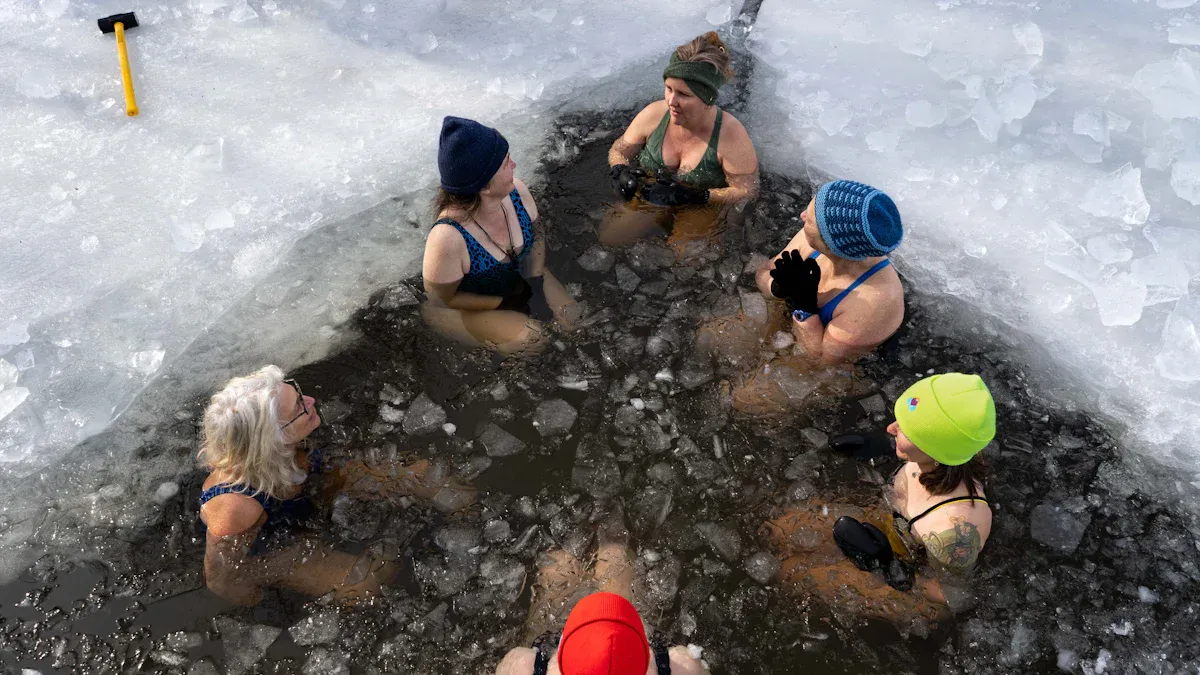
Similarities and Differences
If you've wondered whether winter swimming and cold water baths affect the body differently, they actually have a lot in common. Both induce a stress response in the body, which helps you adapt better to the cold. You'll feel your body start to produce more energy, blood circulation improves, and mental well-being increases. Both methods help reduce stress and improve mood.
Here are some key similarities and differences:
Both help strengthen the immune system and improve mental health.
Cold water baths can help lower blood pressure and cholesterol levels.
Winter swimming has a stronger effect on metabolic adaptation.
Cold water baths are well-suited for relieving muscle pain and swelling after exercise.
Winter swimming can lead to weight loss and improved body contours.
Both methods provide a quick refresh and energy boost.
Tip: If you want a quick recovery after a demanding day or workout, try a cold water bath. If you're looking for adventure and want to experience the power of nature, choose winter swimming.
Winter swimming is practiced in Estonia by both young and old. It is suitable for everyone without serious health problems. However, cold water baths are simpler and more accessible – you don't have to go to a lake or wait for winter.
Cold Water Baths at Home
If you want to start with cold water procedures, a home bathtub is the most convenient way. You can choose the water temperature and duration yourself. Cold water baths do not require special equipment or preparation. It's enough to fill the tub with cold water and step in.
Home cold water baths are great if you want to gradually acclimate your body. You can start with a shorter time and increase the duration as you feel comfortable. This is a safe and controllable way, especially if you haven't tried cold water procedures before.
Cold water baths offer a quick refresh and energy.
You can do them anytime, regardless of weather or season.
They help reduce muscle pain and improve sleep.
Cold water baths can improve cardiovascular function and overall well-being.
If you are looking for a simple and effective alternative to winter swimming, cold water baths are for you. You can easily incorporate them into your daily life and enjoy all the benefits that cold water offers.
Cold Water Baths: Safety and Getting Started
First Steps
If you want to try a cold water bath, start slowly. Don't jump into ice-cold water immediately. The first step could simply be a cooler shower. Let the water temperature drop a little each day. This way, your body will slowly get used to the cold. Some people start with a short swim in the sea or a lake, but even there, caution is advised.
Here's a simple guide to getting started:
Start with a cool shower. Let the water get progressively colder.
When you feel confident, try going into cold water up to your neck for a moment and then immediately get out.
Gradually extend the time you spend in the water. Don't rush – your body needs time to adapt.
Listen to your body. If you feel shivers or discomfort, stop immediately.
After the cold water, warm yourself up. Put on warm clothes or drink a cup of tea.
Tip: Never go into cold water alone. Bring a friend or join a group. It's safer and more fun together!
Safety Rules
When you start cold water baths, safety is paramount. Everyone reacts to cold differently. Some feel good immediately, others need more time to adjust. Don't set yourself too ambitious goals. Small steps lead to success.
Start with short baths and slowly increase the duration.
Any cool water is suitable for hardening, but don't stay in the water for too long.
When swimming in the sea or a lake, choose a safe spot and avoid slippery areas.
Temperature and Duration
As a beginner, choose a bath temperature of about 15–18 degrees Celsius. This will feel cool but not too shocking. For the first few times, it's enough to be in the water for 30 seconds to 1 minute. As your body adapts, you can extend the time by a few minutes. Never exceed your limits.
Level |
Temperature |
Duration |
|---|---|---|
Beginner |
15–18°C |
0.5–1 min |
Advanced |
10–15°C |
2–5 min |
If you feel dizzy, severely cold, or numb, get out of the water immediately. Warm yourself up slowly and monitor your condition.
Note: Cold water baths are suitable for you if you listen to your body and proceed step-by-step. This way, you can enjoy refreshing experiences safely and with joy!
Risks and Contraindications
Cold Shock and Hypothermia
When you step into cold water, your body can react unexpectedly. Cold shock means that your breathing becomes rapid and your heart starts beating faster. You might feel like you can't breathe or experience panic. This is a natural body reaction but can be dangerous, especially if you're not used to the cold.
Hypothermia occurs when your body temperature drops below 35 °C. You start to shiver as your body tries to warm itself. If you stay in cold water for too long, confusion, coordination problems, and even memory loss can occur. Hypothermia can be life-threatening if you don't get out of the water in time.
Note: If you feel intensely cold, shivering doesn't stop, or confusion sets in, get out of the water immediately and warm yourself.
Here are the main risks you need to consider:
Hypothermia
Arrhythmia
Cardiac and Neurological Risks
Cold water strongly affects the heart and nervous system. When you suddenly jump into cold water, your pulse and breathing rate increase. The sympathetic nervous system is activated, which makes your heart beat faster. If you have heart disease, this can be dangerous. Cold water procedures can exacerbate heart problems and cause arrhythmias.
Prolonged hypothermia can lead to memory loss or even cardiac arrest. People with asthma should also be careful, as cold water can trigger breathing difficulties.
Winter swimming can worsen heart problems.
Exposure to cold water increases heart rate and respiratory rate.
Prolonged exposure to cold can cause arrhythmias and memory loss.
Who is not suitable for cold water procedures?
If you have any of the following health problems, you should be especially careful:
Heart disease
Asthma
Before trying winter swimming or a cold water bath, be sure to talk to your doctor. Your doctor can help assess whether it is suitable for you.
How to recognize and avoid risks?
You can reduce risks by listening to your body and starting slowly. Never go into cold water alone. Start with a short duration and gradually increase it. If you feel discomfort, dizziness, or if shivering doesn't stop, get out of the water immediately.
Listen to your body and don't exceed your limits.
Warm yourself immediately after cold water exposure.
Consult a doctor if you have health problems.
Tip: Safety is paramount. If you are careful and aware of the risks, you can enjoy cold water procedures with joy!
History and Popularity
Winter Swimming Traditions
Have you ever wondered where winter swimming comes from? In fact, winter swimming has very deep roots. Centuries ago, people used cold water to boost their health. Ancient Estonians believed that cold water gave strength and kept diseases away. You can also find references to winter swimming in folklore and ancient health teachings.
In Russia and Scandinavia, winter swimming has been part of traditions. People there used to swim in ice holes in winter to harden their body and spirit. Many nations associated cold water rituals with religious or festive events. For example, Russian Orthodox Christians go swimming in ice holes on Epiphany to cleanse themselves and start the new year fresh.
In Estonia, winter swimming has been more of a niche hobby, but the traditions have still persisted. You might notice older people telling stories about winter dips and toughening up. Cold water has been part of our culture, even if it hasn't always been a mainstream activity.
Did you know? The traditions of winter swimming date back even to antiquity. Greeks and Romans believed that cold water helped maintain health and increase vitality.
Modern Trend
In recent years, winter swimming and cold water baths have become a real trend. You see more and more people sharing their cold water experiences on social media. Photos of ice holes, smiling winter swimmers, and fresh experiences appear on Instagram and Facebook. Friends invite you along because it seems exciting and challenging.
The market is growing rapidly. New winter swimming clubs are opening in Estonia and events are being organised. You can join a group or try a cold water bath at home. Stores sell special cold water bath equipment and toughening aids. Cold water procedures have become accessible to everyone, not just extreme athletes.
|
Popularity Indicator |
Description |
|---|---|
|
Number of Clubs |
Growing annually |
|
Social Media Posts |
Thousands sharing experiences |
|
New Products |
Cold water baths, toughening aids |
The impact of social media is significant. When you see others enjoying winter swimming, you get the desire to try it yourself. You get inspiration and encouragement. Many start precisely because of experiences shared by friends or acquaintances.
Tip: If you want to be part of the modern trend, start with small steps. Share your experiences and find new friends who will support you on your journey!
The popularity of winter swimming is growing every year. You can be part of this movement if you decide to try a cold water bath or join a winter swimming club. Cold water connects people and offers new experiences. Have you tried it yet?
Winter swimming and cold water baths can strengthen your immune system if you practice gradually and safely. Find a suitable method for yourself and start with small steps. You will only benefit if you do it regularly and consciously.
-
Listen to your body
-
Consult a doctor if you have health concerns
-
Don't rush – every step counts
Not everything is for everyone. Observe how you feel and choose the best solution for you!
FAQ
How often should I take a cold water bath?
I recommend starting 1-2 times a week. As your body gets used to it, you can try more often. Listen to your body and don't push yourself too hard. Regularity is more important than frequency.
Can children try winter swimming?
Yes, children can try, but only under adult supervision. Start with a short time and monitor the child's well-being. Talk to a doctor beforehand if the child has health concerns.
When is the best time for a cold water procedure?
Morning gives energy for the whole day. In the evening, cold water helps relieve stress. You choose the time that suits you. The main thing is that you feel good.
Do I need to warm up before going into cold water?
Yes, do a light warm-up. Move, jump, or do arm circles. This prepares your body and reduces the risk of shock. Warming up helps you feel safer.
What should I do if I feel unwell in the water?
Get out of the water immediately. Dry yourself and put on warm clothes. Drink warm tea. If the malaise does not pass, consult a doctor. Safety is paramount!
Does a cold water bath help with weight loss?
Cold water can speed up metabolism and burn more calories. Significant weight loss does not come from cold water alone. Healthy eating and exercise are also important.
Are cold water procedures suitable for everyone?
Not suitable for everyone. If you have heart, nervous system, or respiratory diseases, consult a doctor beforehand. Listen to your body and don't take risks if you feel uncomfortable.

