August brings fresh health and fitness news that will make you rethink your daily choices. Have you noticed that exercise can boost your mood, but it depends on how and with whom you do it?
-
Exercising with friends or in a pleasant environment makes workouts more enjoyable.
-
Your mood improves the most when you enjoy the movement, not just push yourself.
If you want to achieve a healthy lifestyle, you can put this knowledge to good use.
Key Points
-
Beetroot juice can help lower blood pressure. Drink one glass a day to support heart health.
-
Processed foods can increase body weight. Choose natural foods to maintain a stable weight.
-
The Mediterranean diet supports memory and brain health. Add more vegetables, fruits, and fatty fish to your diet.
-
Exercising with friends boosts motivation. Try to find a workout partner to share joy and support.
-
Good sleep is essential for heart health. Go to bed and wake up at the same time every day to improve sleep quality.
-
Small dietary changes can bring big results. Start by adding fresh vegetables and fruits to every meal.
-
Monitor your health habits with smartwatches or apps. These help you set goals and track progress.
-
A healthy lifestyle starts with small steps. Try to do at least 20 minutes of active movement every day.
Beetroot Juice and Blood Pressure
Studies
Older Adults
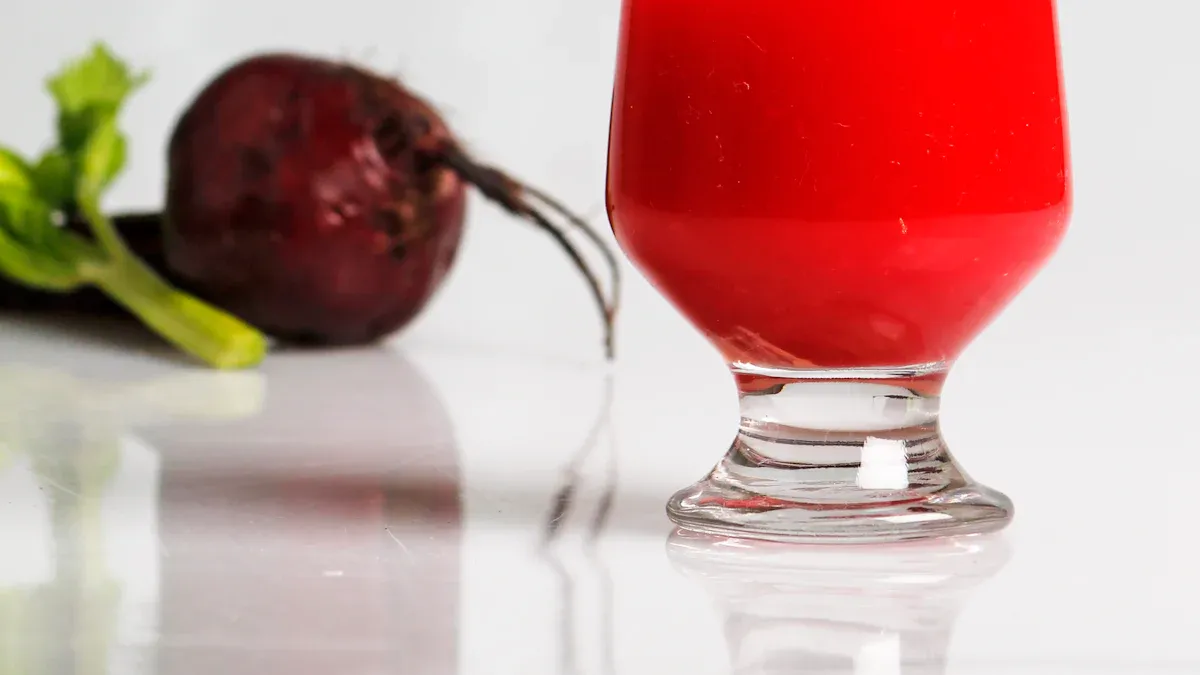
Have you heard that beetroot juice can help lower blood pressure? Recent studies show that older adults can benefit from drinking beetroot juice. Researchers investigated how beetroot juice affects blood pressure in people over 60. They found that just one glass of beetroot juice a day can help lower blood pressure. This effect lasts for several hours. If you are an older adult, you might consider adding beetroot juice to your diet. Studies also show that beetroot juice helps relax blood vessels and improves blood flow.
Young Adults
Younger people can also benefit from beetroot juice. Studies show that young adults who consume beetroot juice before exercise perform better. Beetroot juice helps muscles use oxygen more efficiently. If you work out or play sports, beetroot juice can give you a small boost. Some studies have also shown that beetroot juice can improve concentration.
Microbiome
Beneficial Bacteria
Beetroot juice doesn't just affect blood pressure. It also helps your gut microbiome. Beneficial bacteria get nutrients from beetroot juice, which helps them grow. When you drink beetroot juice, you support your digestion and immunity. Researchers have found that beetroot juice increases the diversity of bacteria in the gut. This means your stomach works better, and you feel more energetic.
Harmful Bacteria
Harmful bacteria don't like beetroot juice. Studies show that beetroot juice can reduce the number of these bacteria. When your microbiome is balanced, you feel healthier. Beetroot juice helps maintain healthy digestion and reduces inflammation in the body.
Recommendations
Consumption
If you want to try beetroot juice, start with a small amount. One glass a day is enough. You can drink beetroot juice in the morning or before exercise. If you don't like the taste, mix beetroot juice with apple juice or carrot juice, for example. Note that beetroot juice can change the color of your urine—this is completely normal.
Alternatives
If you don't want to drink beetroot juice, try eating cooked or baked beetroot. Beetroot provides you with the same beneficial nutrients. You can add beetroot to salads, soups, or smoothies. If you're looking for more alternatives, choose red vegetables like tomatoes or red cabbage. These also help maintain blood pressure and support the microbiome.
Tip: Try beetroot juice before your workout and see if you feel more energetic! Pay attention to how your body reacts.
Processed Foods and Health

Studies
Study Design
Have you ever wondered how scientists study the effects of processed foods on health? Recent studies use an interesting approach. Researchers divide participants into two groups. One group primarily eats processed foods, while the other prefers natural and fresh foods. The study usually lasts for several weeks. You will learn how different foods affect weight, hormones, and heart health.
Tip: If you want to try it yourself, you can try avoiding processed foods for a week and observe how your well-being changes.
Comparison
The results of the studies are clear. If you eat more processed foods, your weight increases faster. Natural foods help keep your weight stable. Researchers noticed that processed foods contain more sugar, salt, and fat. These substances make you eat more, even if you are not hungry. If you choose fresh foods, you will feel full longer and more energetic.
Weight
Weight Gain
Have you noticed that ready-made meals bought from the store can make you eat more? Processed foods affect your appetite. You might eat a larger portion because these foods are seasoned in a way that makes you want more. Studies show that people who eat a lot of processed foods gain weight faster. If you want to keep your weight under control, choose home-cooked and fresh foods instead.
-
Processed foods = faster weight gain
-
Fresh foods = more stable weight
Heart Risks
Your heart needs healthy food. Processed foods increase heart risk because they contain a lot of salt and trans fats. Studies show that people who regularly eat processed foods may develop higher blood pressure and cholesterol. If you want to keep your heart strong, choose fewer processed foods.
Note: Heart risks increase if you eat a lot of fast food, ready-made meals, and sweet snacks.
Hormones
Testosterone
Did you know that processed foods can affect your hormones? Studies show that men who eat a lot of processed foods may experience a drop in testosterone levels. Testosterone is important for muscles, energy, and mood. If you want to keep your hormones balanced, choose more whole grains, vegetables, and quality protein.
FSH
FSH, or follicle-stimulating hormone, affects fertility in both men and women. Processed foods can alter FSH levels and thereby affect fertility. Studies show that natural foods help keep hormones in better balance. If you care about your health, try to reduce the proportion of processed foods in your diet.
Remember: Your food choices affect your hormones and overall well-being. Make conscious decisions every day!
Healthy Lifestyle
Food Choices
Have you ever thought about which food choices help you live a healthier life? You don't have to make big changes all at once. Start with small steps. When choosing food at the store, look at the ingredients. Choose foods with fewer additives and more natural ingredients.
You can prefer the following choices:
-
Whole grain products like oatmeal, brown rice, and whole grain bread
-
Fresh vegetables and fruits with every meal
-
Nuts and seeds that provide energy and help keep you full
-
Quality meat, fish, or plant-based protein, such as beans and lentils
If you want to avoid processed foods, remove fast food, ready-made meals, and sweet snacks from your shopping cart.
Note that home-cooked food gives you more control. You can choose how much salt, sugar, or fat you add.
Have you tried making your own breakfast? Oatmeal with berries is quick and easy.
If you want variety, try a smoothie made from fresh fruits and yogurt.
Tip: Plan your weekly menu in advance. This way, you avoid buying fast food and eat a varied diet.
Alternatives
If you find processed foods convenient, look for healthy alternatives.
Here are some ideas you can try right away:
|
Processed food |
Healthy alternative |
|---|---|
|
Potato chips |
Baked sweet potato |
|
Sweet drinks |
Water, flavored water, herbal teas |
|
Ready-made meals |
Home-cooked soup |
|
Pastries and cookies |
Whole grain bread, fruits |
|
Instant noodles |
Whole grain pasta with vegetables |
If you want something sweet, choose fruits or nuts.
If you want something crunchy, try carrots or cucumbers.
You can make hummus at home and eat it with vegetables.
If you like to snack, make your own popcorn without added fat.
Remember: Every time you choose a healthier alternative, you do good for your body and well-being.
You don't have to give up everything that tastes good. Find a balance and experiment with new recipes.
If you make small changes every day, you'll soon notice that you feel better and more energetic.
Are you ready to try a new food choice today? 😊
Memory and Nutrition

Mediterranean Diet
Studies
Have you heard that what you eat can affect your memory? Scientists are studying the Mediterranean diet because it helps keep the brain healthy and memory sharp. Studies show that people who eat a lot of vegetables, fruits, whole grains, fish, and olive oil are better able to remember new things. They notice that their thinking is faster and clearer.
The Mediterranean diet is not just about food. It's a lifestyle where you enjoy eating with family or friends and move every day.
Cognitive Impact
If you choose the Mediterranean diet, you support your brain health. Studies show that this diet helps reduce memory problems and slows down age-related cognitive decline. You may notice that your concentration improves and you learn new things more easily.
Here are some foods that help support memory:
-
Fatty fish (salmon, sardines)
-
Olive oil
-
Nuts and seeds
-
Fresh vegetables and fruits
If you add these foods to your diet, you provide your brain with essential nutrients.
Genetics
APOE4
Have you heard of the gene called APOE4? This gene can increase the risk of memory problems. If you have this gene, you need to pay even more attention to your diet. Researchers found that the Mediterranean diet also helps those with the APOE4 gene maintain better memory.
Protective Effect
The Mediterranean diet offers protection even if you have a higher risk of memory problems. You can reduce the risk by eating more plant-based foods and fewer processed foods. If you choose a healthy lifestyle, you support your brain and memory every day.
Note: Genetics doesn't determine everything. Your daily choices affect how your brain works.
Recommendations
Diet Principles
If you want to support your memory, follow these principles:
-
Eat fresh vegetables and fruits every day.
-
Choose whole grain products, such as brown rice and oatmeal.
-
Add fatty fish to your diet at least twice a week.
-
Use olive oil for cooking.
-
Avoid processed foods and excessive sugar.
Daily Steps
You don't have to change everything at once. Start with small steps:
-
Add berries or a banana to your breakfast.
-
Make a salad with olive oil for lunch.
-
Swap white bread for whole grain bread.
-
Try a new fish recipe for dinner.
If you make these changes, you'll notice that your memory and well-being improve. A healthy lifestyle begins with simple choices you can make every day.
Tip: Write down what you eat. This way, you'll see if your diet supports memory and brain health.
Exercise and Mental Health
Impact of Movement
Leisure Time
Have you noticed that physical activity in your free time improves your mood? When you go for a walk, ride a bike, or dance, you feel happier. Leisure-time movement helps reduce stress. You can clear your mind and focus on the moment. Sometimes, a short walk is enough to clear your head. If you choose an activity you enjoy, you'll feel more motivated to move.
Try to find at least 20 minutes each day to do something active. Notice how your mood changes!
Work-Related Movement
Moving at work might seem boring, but it's important. If you move during the workday, for example, by standing up from your desk or doing stretches, your concentration improves. You'll feel less tired and be better able to complete tasks. Work-related movement doesn't have to be strenuous. Small breaks and simple exercises help you maintain energy.
-
Stand up every hour
-
Do a few squats or arm stretches
-
Walk in the hallway or outside
When movement becomes a habit, you'll notice that your workday passes faster, and your mood remains better.
Context
Social Environment
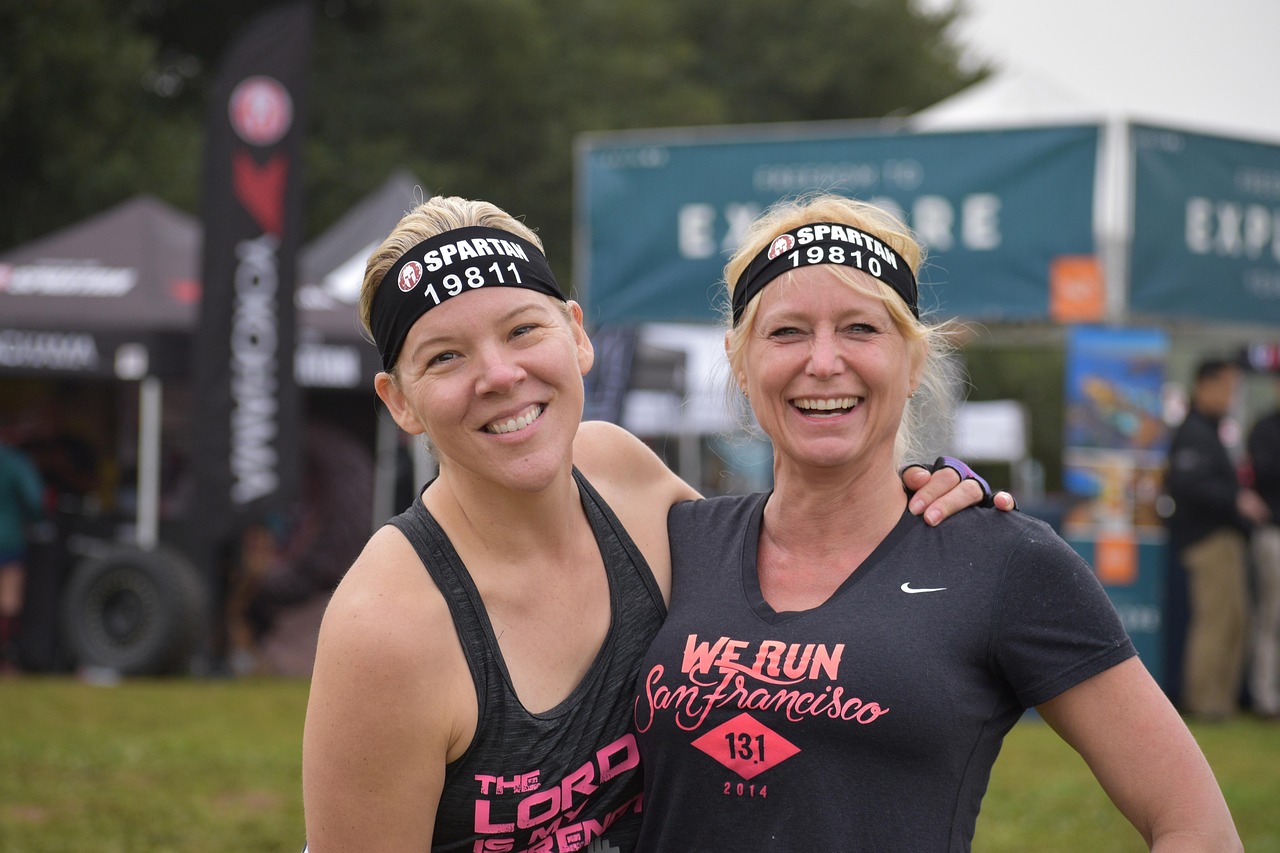
Have you tried working out with friends? The social environment affects motivation. If you have a companion to exercise with, you feel supported. You can share joy and achievements. Sometimes, a common goal helps keep your workouts regular. Friends encourage you to try new activities.
|
Social workout |
Solo workout |
|---|---|
|
More motivation |
Less encouragement |
|
Shared joy |
More independence |
|
New ideas |
Own pace |
If you choose group training, you'll make new acquaintances and find inspiration.
Motivation
Motivation can come and go. Sometimes you don't feel like moving. That's when it helps to link your workout to a specific goal. Write down why you want to move. Do you want to feel better or have more energy? When the goal is clear, it's easier to start. You can also use small rewards, such as promising yourself a nice rest after your workout.
Write down your goal and see how it inspires you!
Recommendations
Workout Context
Choose a workout that suits your lifestyle. If you like calm movement, try yoga or Pilates. If you want more energy, choose running or group training. The important thing is that you enjoy the activity. You don't have to do what others like. Find a time and place that suits you. When exercise is part of your day, it becomes a habit.
Maintaining Motivation
Maintaining motivation can be challenging. Here are some tips to help:
-
Set small goals for yourself
-
Notice progress and celebrate it
-
Find a workout buddy or join a group
-
Vary your workouts to avoid boredom
-
Listen to music or use an app that motivates you
When you maintain motivation, you move more and feel better. A healthy lifestyle starts with small steps. You can start today!
Sleep and Heart
Studies
Heart Failure
Have you ever thought about how sleep affects your heart? Scientists have studied how poor sleep can increase the risk of heart failure. If you sleep too little or your sleep is interrupted, your heart has to work harder. Studies show that people who sleep less than 6 hours a night may develop heart failure more often than those who sleep 7–8 hours. Your body needs sleep to recover and keep your heart strong.
Note: If you feel tired in the morning, it could be a sign that your heart isn't getting enough rest.
Clinical Events
Studies have shown that poor sleep can also increase the risk of other heart-related events. For example, high blood pressure or even a heart attack can occur. If you frequently wake up at night or have restless sleep, your blood pressure may rise. This, in turn, puts a strain on your heart. Scientists found that good sleep helps keep the heart rhythm stable and reduces inflammation in the body.
|
Sleep Quality |
Heart Risk |
|---|---|
|
Good |
Low |
|
Poor |
High |
If you care about your heart, pay attention to how you sleep.
Recommendations
Sleep Routine
A good sleep routine helps you sleep better and supports heart health. You can do a lot yourself to improve sleep quality. Try to go to bed at the same time every night. Avoid screens for at least an hour before bed. Create a calm evening ritual – for example, read a book or listen to quiet music. Keep your bedroom cool and dark. If you wake up at night, don't immediately reach for your phone. Give your body time to fall back asleep.
-
Go to bed and wake up at the same time every day
-
Avoid caffeine and heavy meals before bed
-
Do relaxing activities before going to sleep
Tip: If you have trouble falling asleep, try breathing exercises or meditation.
Sleep Tracking
You can track your sleep very easily. Many smartwatches and phone apps help you see how long and how deeply you sleep. If you notice that your sleep is short or interrupted, you can make changes. Write down what affects your sleep – for example, stress, late eating, or screen use. If you notice that your sleep isn't improving, talk to your family doctor. Sometimes, specialist help may be needed.
|
Sleep Tracking Method |
Benefit |
|---|---|
|
Smartwatch |
Shows sleep duration and quality |
|
Sleep diary |
Helps notice patterns and habits |
|
Phone app |
Provides tips and reminders |
Note: Small changes in your sleep routine can yield great results. Your heart will thank you for good sleep! 💤
Healthy Lifestyle
Do you want to make your daily life simpler and healthier? A healthy lifestyle doesn't mean big changes all at once. You can start with small steps that will give you more energy and make you feel better. Let's look at how you can make smart choices in diet, exercise, and sleep.
Steps
Nutrition
You can make your diet healthier today. Choose fresh vegetables and fruits with every meal. Try to eat whole grains, which will keep you feeling full longer. If you want something sweet, choose fruits or nuts. Avoid processed foods and additives. Make your own breakfast, such as oatmeal with berries. Plan your weekly menu in advance to avoid fast food.
Tip: Put at least three different colored vegetables on your plate. This way you get more vitamins and nutrients.
Movement
Movement doesn't have to be difficult or boring. You can start with a short walk every day. Find an activity you enjoy, such as dancing, cycling, or swimming. If you have a friend, invite them along. Take small breaks during your workday, stretch your arms, or do a few squats. Write down your goal, such as moving for 20 minutes a day.
-
Walk to school or work
-
Use the stairs, not the elevator
-
Take an evening walk with your family
When movement becomes a habit, you'll notice that your mood improves and you have more energy.
Sleep
Good sleep is part of a healthy lifestyle. Go to bed at the same time every night. Avoid screens before bed and create a calm evening ritual. Keep your bedroom cool and dark. If you wake up at night, try breathing exercises. Notice how sleep affects your mood and concentration.
Note: If you sleep well, you'll have more energy to move and make healthy food choices.
Monitoring
Tools
You can track your healthy habits with various tools. Smartwatches and phone apps help you see how much you move and how well you sleep. Write down what you eat and how you feel. If you notice that you're getting too little sleep or movement, you can make changes immediately.
|
Tool |
Benefit |
|---|---|
|
Smartwatch |
Counts steps, tracks sleep |
|
App |
Provides tips and reminders |
|
Notebook |
Helps notice patterns and habits |
Tip: Write down one healthy choice every day. At the end of the month, see how much you've changed.
Specialists
If you feel you need help, consult a specialist. A nutritionist can help you create a menu. A physical therapist can advise you on movement. Your family doctor can help monitor your general health and sleep quality. You don't have to do everything alone. Ask for help if you feel you want more information or support.
Remember: A healthy lifestyle is easier when you have support and good advice.
Are you ready to try at least one recommendation from each chapter? Small steps create big changes. You can start today and notice how a healthy lifestyle improves your day. 😊
All the topics you read about – beetroot juice, processed foods, memory, exercise, and sleep – affect your health daily. You can choose one recommendation from each chapter and try it right away. Small steps create big changes if you are consistent.
Are you ready to make more conscious choices? Start today and notice how your health improves! 😊
FAQ
Is beetroot juice suitable for daily consumption?
Yes, you can drink beetroot juice every day. Start with a small amount. If you feel good, continue. If you notice discomfort, take a break.
How to reduce processed food consumption?
Try to plan your meals in advance. Choose fresh vegetables and whole grains. Cook for yourself. Add healthy alternatives to your shopping list.
What foods best support memory?
The Mediterranean diet helps you maintain your memory. Eat fatty fish, nuts, olive oil, and fresh vegetables. Add berries and whole grains to your diet.
How much should I move every day?
I recommend moving at least 20–30 minutes a day. Walk, cycle, or dance. Find an activity you enjoy. Movement improves mood and energy.
What to do if sleep is restless?
Create a consistent sleep routine. Go to bed at the same time. Avoid screens before bed. Try breathing exercises or read a book. Notice what affects your sleep.
Do smartwatches help monitor health?
Yes, smartwatches count steps and track sleep. You can see how much you move and how well you sleep. Use them to set goals and track progress.